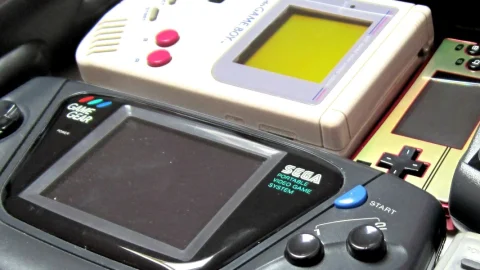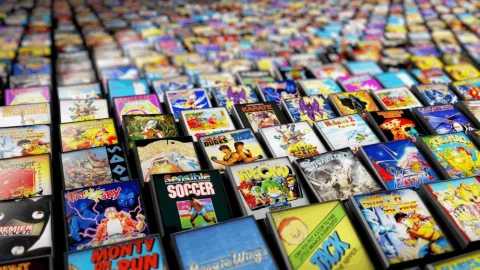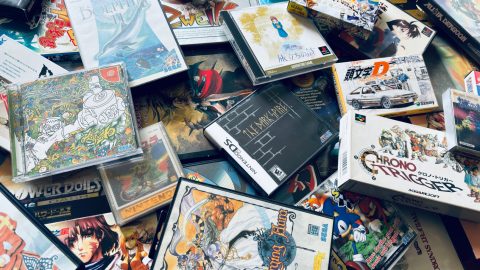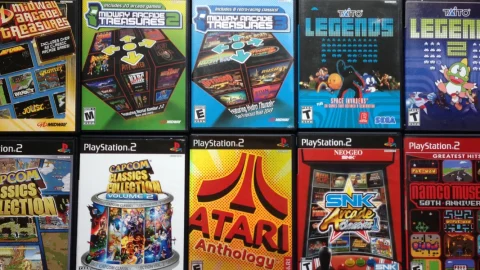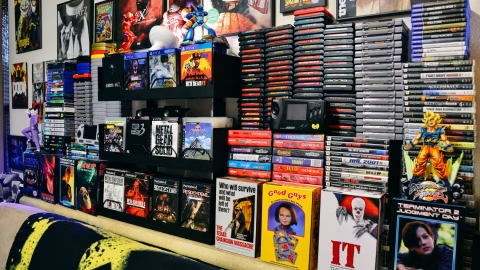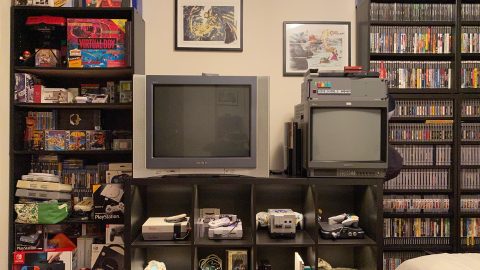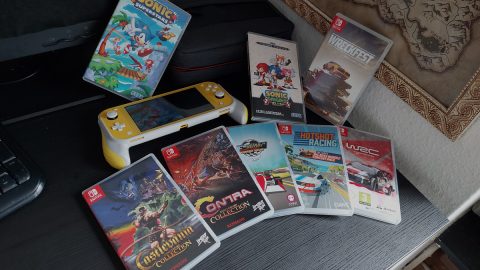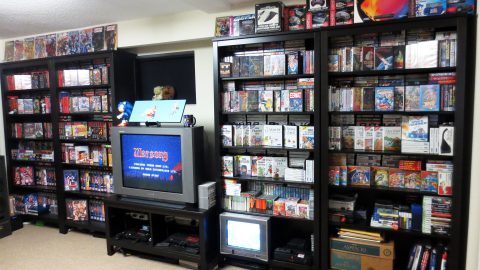

Retro game collecting gets talked about a lot, but much of that talk is built on half-truths, exaggerations, and flat-out myths that get repeated so often they start to feel like facts. I have spent years digging through flea markets, chatting with other collectors, restoring cartridges, and slowly building a collection that actually means something to me. Along the way, I have realized that many newcomers are scared off or misled by ideas that simply do not hold up in the real world. This article goes straight to the point and clears up the most common myths I hear over and over again.
You Need a Lot of Money to Start Collecting
One of the loudest myths is that retro game collecting is only for people with deep pockets. This idea usually comes from seeing headlines about rare games selling for insane prices online. While those stories grab attention, they do not reflect the everyday reality of most collections.
I built a large portion of my collection by buying common titles, loose cartridges, and imperfect boxes at very reasonable prices. There are thousands of retro games that are still affordable, fun, and historically interesting. The expensive outliers exist, but they are a small slice of the hobby, not the entry requirement.
Every Retro Game Is Rare and Valuable
Many people assume that if a game is old, it must be rare. That assumption ignores how mass-produced many classic games actually were. Consoles like the NES, PlayStation, and Game Boy sold millions of units, and their most popular games were printed in enormous quantities.
Most cartridges sitting in attics or storage boxes are not hidden treasures. Their value comes from condition, demand, and scarcity, not just age. Realizing this early helps avoid disappointment and keeps expectations grounded.
Collecting Is Only About Making Money
This myth often comes from outside the hobby, especially from people who see collecting as an investment strategy. While some collectors do care about market value, most people I know are here because they love the games. The joy comes from the hunt, the nostalgia, and the chance to play titles that shaped gaming history.
Focusing only on resale value drains the fun out of the hobby. Markets rise and fall, but personal enjoyment lasts much longer. Treating games purely as assets usually leads to frustration rather than satisfaction.
You Must Have Complete-in-Box Games
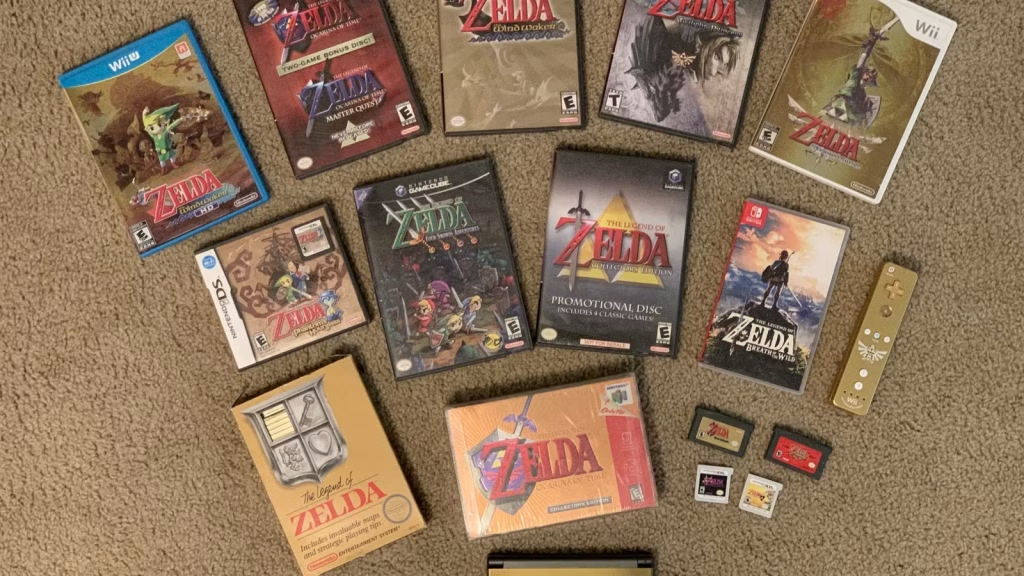
Complete-in-box copies look great on a shelf, but they are not the only valid way to collect. Boxes and manuals were often thrown away decades ago, which makes complete copies harder to find and more expensive. That reality does not make loose games inferior.
I own many loose cartridges that get far more playtime than boxed ones. They still deliver the same gameplay and memories. Collecting should fit your space, budget, and goals, not an imagined rulebook.
Emulation Has Killed Retro Collecting
Some people claim that emulation made physical collecting pointless. In practice, emulation and collecting often coexist. Emulation offers convenience, while physical games provide a tactile connection to gaming history that digital files cannot replace.
Playing on original hardware feels different, from the controller weight to the quirks of old displays. Emulation did not kill collecting; it simply gave people more ways to experience old games. The hobby adapted rather than disappeared.
You Need Perfect Condition Items
The obsession with mint condition scares many potential collectors away. While pristine items are nice, they are not required to enjoy the hobby. Many collectors are perfectly happy with worn labels, cracked cases, or faded boxes.
Some wear even adds character, showing that a game was loved and played. Expecting perfection in decades-old items is unrealistic and unnecessary. Condition matters, but it is only one factor among many.
All Valuable Games Are Already Found
There is a belief that every valuable retro game has already been discovered and priced accordingly. This myth ignores how unpredictable collecting can be. New information surfaces, regional variants gain attention, and forgotten titles suddenly become desirable.
I have stumbled across underappreciated games simply because they were overlooked or misunderstood. The market is always shifting, and there is still room for surprises. The idea that the hunt is over could not be further from the truth.
Collecting Means Hoarding
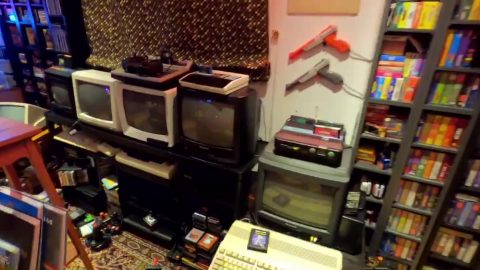
From the outside, collecting can look like hoarding, but the two are not the same. Hoarding lacks organization and purpose, while collecting is intentional and curated. Most collectors know exactly what they own and why they own it.
I regularly rotate games, trade duplicates, and focus on titles that matter to me. The collection evolves rather than endlessly expands. Calling it hoarding misses the care and thought that go into building a meaningful set of games.
You Need Original Hardware for Every Game
Original hardware is great, but it is not the only way to enjoy retro games. Hardware failures, limited space, and rising prices make alternatives appealing. Modern solutions like FPGA systems and quality clones offer reliable ways to play without risking fragile originals.
I enjoy original consoles, but I also appreciate modern options that reduce wear and tear. Using alternatives does not make someone less of a collector. It simply reflects practical choices.
Retro Collecting Is Only About Nostalgia
Nostalgia plays a role, but it is not the whole story. Many collectors discover games they never played growing up. Exploring different regions, obscure titles, and forgotten genres expands understanding of gaming history.
Some of my favorite finds are games I had no connection to as a kid. Collecting becomes a form of exploration, not just a trip down memory lane. Nostalgia may open the door, but curiosity keeps it interesting.
Rare Equals Good
Scarcity does not guarantee quality. Some rare games are rare because few people wanted them in the first place. Collectors who chase rarity alone often end up with shelves full of games they never enjoy.
Gameplay, design, and creativity matter far more than scarcity. I have played common games that are endlessly entertaining and rare ones that feel like chores. Value and enjoyment are not the same thing.
You Must Specialize in One Console
Specializing can help focus a collection, but it is not mandatory. Some collectors enjoy sampling across multiple platforms. Others shift focus over time as interests change.
I have moved between systems based on mood and curiosity. Flexibility keeps the hobby fresh and prevents burnout. There is no single correct way to structure a collection.
Online Prices Reflect Real Value
Online marketplaces often set inflated expectations. Asking prices do not always equal selling prices, and hype can distort perception. Real value is determined by what people actually pay, not what sellers hope to get.
I always cross-check prices and consider condition before buying. Blindly trusting listings leads to overspending. A little patience goes a long way.
Collecting Is a Solo Hobby
Retro game collecting thrives on community. Conversations with other collectors lead to tips, trades, and shared knowledge. Events, forums, and local meetups add a social layer that makes the hobby richer.
Some of my best finds came from recommendations or trades with other collectors. The shared enthusiasm is part of the appeal. Collecting alone misses half the experience.
Reproductions Have No Place in a Collection
Reproductions often get dismissed outright, but they serve legitimate purposes. Some games are prohibitively expensive or fragile, making originals impractical to play. Reproductions allow access without risk.
Clear labeling and honesty matter, but blanket rejection ignores practical realities. I prefer originals, but I understand why reproductions exist. They fill gaps rather than replace history.
Only Serious Collectors Matter
Gatekeeping is one of the most damaging myths in the hobby. There is no universal standard for what makes someone a real collector. Enjoyment, curiosity, and respect for the medium matter more than shelf size or budget.
I have learned just as much from casual collectors as from hardcore ones. Diversity of approaches keeps the hobby alive. Exclusion only shrinks it.
Restoration Ruins Value
Restoration is often misunderstood. Proper cleaning, battery replacement, and minor repairs can preserve games rather than harm them. Neglect causes more damage than careful restoration ever could.
I have saved games from corrosion and decay through basic maintenance. Transparency about what was done matters, but preservation should not be confused with deception. Restoration keeps history playable.
Physical Media Will Become Obsolete
Predictions about physical media disappearing have circulated for decades. Yet retro games continue to hold appeal because they are tangible and finite. Digital convenience has not erased the desire for physical ownership.
Holding a cartridge or disc connects me to a specific moment in gaming history. That connection does not vanish just because technology advances. Physical media endures because people value it.
Collecting Has an End Point
Some believe a collection must eventually be complete. In reality, collecting is an ongoing process that changes with interests and circumstances. Goals shift, focus narrows or expands, and tastes evolve.
I have sold games that no longer resonated and acquired others that did. The journey matters more than a final checklist. Treating collecting as a fixed destination misses its dynamic nature.
Final Thoughts
Retro game collecting is surrounded by myths that can intimidate, mislead, or discourage people from getting involved. Most of those myths collapse once you spend time actually engaging with the hobby. It is flexible, personal, and far more welcoming than it sometimes appears.
By letting go of rigid ideas about money, rarity, and rules, collecting becomes what it should be: a way to connect with games, history, and other people who care about them. The myths fade quickly once real experience takes over, and what remains is a hobby shaped by enjoyment rather than misconception.