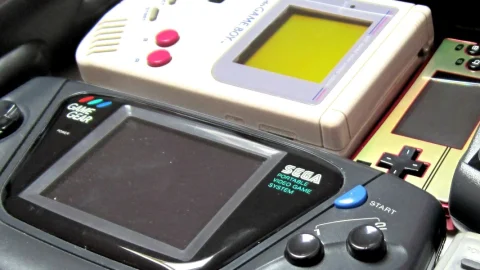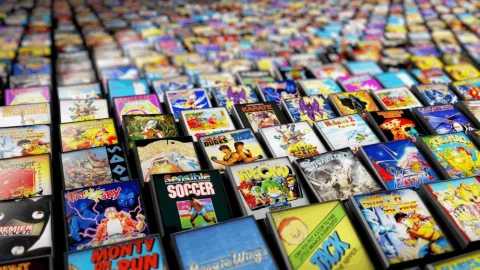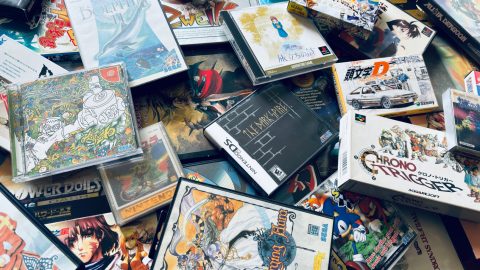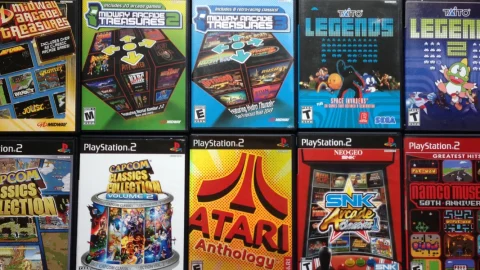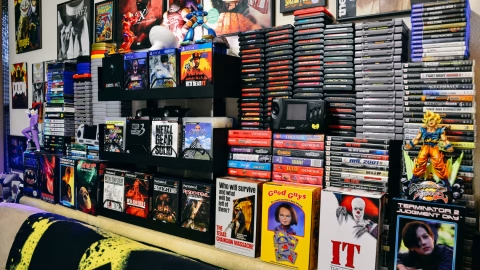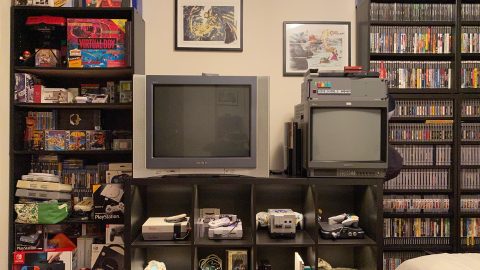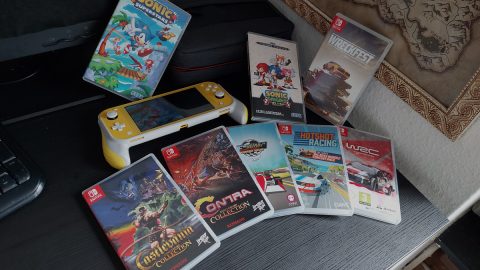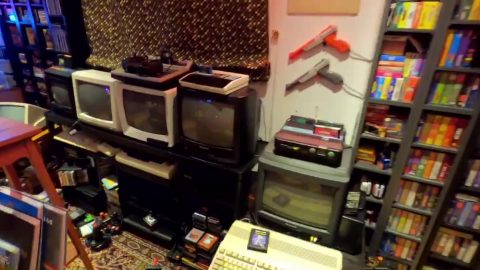

Retro game collecting in 2026 feels very different from how it did even five years ago. Prices are higher, supply is tighter, and casual luck-based finds are less common. At the same time, new platforms, better information, and shifting collector habits have opened doors that did not exist before. Finding retro games now is less about stumbling onto bargains and more about knowing where to look and how to look smart.
I still believe great finds are out there, but they reward patience and consistency. Some places remain reliable staples, others have evolved, and a few surprising options have quietly become excellent hunting grounds. What follows is a realistic look at where retro games are actually being found in 2026, based on experience rather than hype.
Local Retro Game Stores
Independent retro game stores remain one of the most dependable places to find authentic games and hardware. Many shops have adapted to the modern market by specializing more deeply, offering cleaned, tested, and sometimes refurbished items. Prices are rarely rock-bottom, but the trade-off is confidence and convenience.
I value these stores for their transparency. Condition is usually disclosed clearly, and staff often know the history behind certain items. Conversations with store owners have led me to private sales, early access to trade-ins, and tips about upcoming collections hitting the shelves. Supporting local shops also keeps the ecosystem alive, which benefits collectors long-term.
Online Marketplaces That Still Work
Large online marketplaces are far from dead, even if the golden age of easy deals is gone. Platforms like eBay still produce solid finds for buyers willing to dig deep and act quickly. The key difference in 2026 is that fixed-price listings dominate, making auctions less common and bargains more fleeting.
I focus on listings with poor titles, bad photos, or mixed lots that scare off casual buyers. Careful reading and asking the right questions still matter. While competition is fierce, persistence pays off, especially when sellers are clearing space rather than maximizing profit.
Niche Collector Forums and Communities
Dedicated forums and private collector groups have become increasingly valuable. These spaces often operate on trust and shared passion rather than pure profit. Members tend to price items more fairly, especially when selling duplicates or thinning collections.
I have had some of my best experiences through these communities. Trades are common, and discussions often reveal leads on items before they hit public marketplaces. Being active, respectful, and patient builds credibility, which opens doors over time.
Social Media Marketplace Groups
Social media has quietly become one of the most active spaces for retro game buying and selling. Local buy-and-sell groups, hobby-specific communities, and private collector pages all host frequent listings. Speed matters here, as good deals disappear quickly.
I treat these spaces cautiously but optimistically. Clear communication and meeting in safe, public places are essential. Many sellers are casual owners rather than hardcore collectors, which means pricing can sometimes lag behind market trends. Those moments create opportunities for attentive buyers.
Flea Markets and Swap Meets
Flea markets are no longer overflowing with cheap retro games, but they are not useless either. The difference in 2026 is that success depends heavily on timing and relationships. Early arrival and consistent attendance matter more than ever.
I have built rapport with vendors who now set aside gaming items for me before placing them on tables. While finds are less frequent, the prices are often more reasonable than online equivalents. Flea markets reward persistence and familiarity rather than one-time visits.
Garage Sales and Estate Sales
Garage sales remain unpredictable, but estate sales have grown more promising. As original owners downsize or collections are liquidated, entire gaming libraries surface at once. These sales often price items to move rather than to maximize value.
I research estate sales ahead of time and prioritize those that mention electronics, media, or hobbies. Arriving early improves odds, but respectful negotiation later in the day can also work. These environments feel more human than marketplaces, which sometimes leads to better deals.
Thrift Stores With a Strategy
Thrift stores are often dismissed in 2026, but they still produce occasional surprises. The days of shelves full of cartridges are gone, yet isolated finds still happen. Success here depends on frequency rather than expectation.
I check stores near college towns and residential areas with high turnover. Staff rotation and donation patterns vary, and timing can make all the difference. Thrift hunting is slow, but even one good find can justify months of checking.
Pawn Shops That Still Deal in Games
Pawn shops have largely shifted toward jewelry and electronics, but some still handle retro games. These shops often undervalue niche items due to limited expertise. That gap creates opportunity for informed buyers.
I approach pawn shops politely and consistently, letting staff know what I am interested in. Over time, this has led to calls when items come in. Prices are negotiable more often than online, especially if items have been sitting unsold.
Retro Gaming Conventions
Conventions are no longer cheap hunting grounds, but they offer variety and immediacy. Multiple vendors competing in the same space can keep pricing in check. The ability to inspect items in person is a major advantage.
I attend conventions with specific goals rather than browsing aimlessly. Setting a budget and a want list prevents impulse buys. Even when prices are higher, the assurance of condition and authenticity often justifies the cost.
Private Sellers and Word of Mouth
Some of the best deals never appear online at all. Friends, coworkers, and acquaintances sometimes mention old games casually, unaware of their value. Listening matters more than searching in these situations.
I make my interests known without pushing. Over time, people remember and reach out when cleaning closets or moving homes. These transactions are often fair, straightforward, and refreshingly simple.
Reproduction Awareness and Authenticity
Finding retro games in 2026 also means navigating reproductions and counterfeits. Certain platforms and titles are especially affected. Knowing how to spot fakes has become an essential skill rather than optional knowledge.
I avoid deals that feel rushed or unclear. Asking for detailed photos and provenance protects both money and peace of mind. The best places to find retro games are also the places where authenticity is respected and verified.
Digital Marketplaces and Local Apps
Local listing apps have grown more sophisticated and popular. These platforms connect buyers and sellers within specific regions, reducing shipping costs and risks. Listings often reflect local market conditions rather than global trends.
I check these apps regularly and act quickly when something interesting appears. Communication is usually casual, which can lead to smoother negotiations. These tools bridge the gap between online convenience and in-person trust.
Libraries, Schools, and Community Sales
Community-run sales and institutional clear-outs occasionally produce retro gaming items. Libraries, schools, and youth centers sometimes liquidate old equipment during upgrades. These events are rarely advertised to collectors.
I monitor community boards and local announcements. Prices are often low, and the atmosphere is less competitive. While rare, these finds feel especially rewarding because they come from unexpected places.
Thinking Strategically Instead of Nostalgically
Collecting in 2026 requires strategy rather than pure nostalgia. Emotional buying leads to overpaying, while informed patience creates better outcomes. The best places to find retro games are those that align with consistent habits.
I rotate between multiple sources rather than relying on one. Each place serves a different purpose, whether it is bulk buying, targeted searching, or casual browsing. Flexibility keeps the hobby enjoyable instead of stressful.
Building Relationships Over Time
Relationships matter more now than ever. Vendors, shop owners, fellow collectors, and casual sellers all remember respectful behavior. Reputation travels faster than listings.
I prioritize honesty and fairness even when negotiating. Long-term access to good finds outweighs short-term savings. Many of my best acquisitions came from people who trusted me rather than from algorithm-driven searches.
Final Thoughts
Finding retro games in 2026 is not about chasing myths of cheap abundance. It is about adapting to a mature market with clear eyes and steady habits. The best places are rarely secret, but they reward those willing to put in consistent effort.
A balanced approach works best. Mixing local, online, and community-based sources keeps the hunt interesting and sustainable. Retro collecting is still alive and rewarding, just different from what it once was. With patience and awareness, great finds remain well within reach.