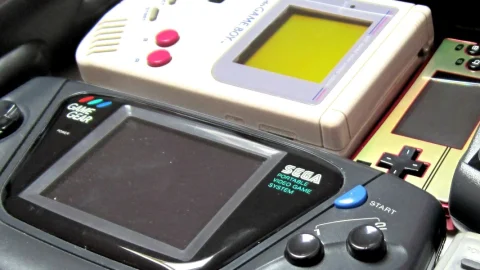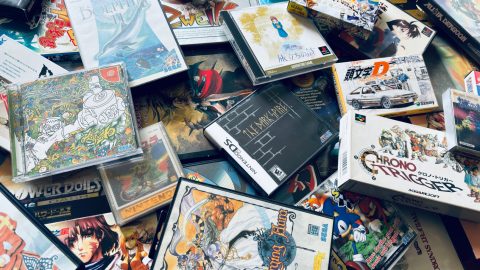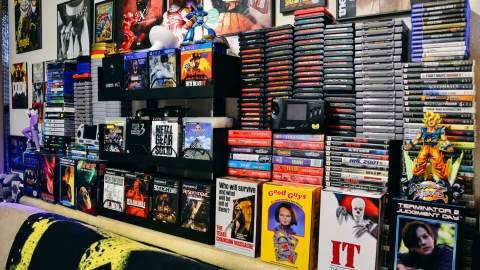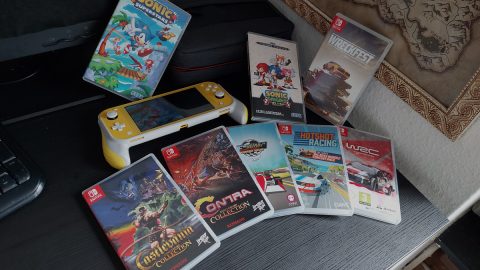

Retro games and hardware do not survive on nostalgia alone. Plastic yellows, cardboard softens, discs rot, and batteries quietly leak when nobody is paying attention. After years of collecting cartridges, discs, boxes, manuals, and consoles, I have learned that storage matters just as much as careful buying. A great collection can slowly fall apart if it is not stored with intention, patience, and a bit of discipline.
This topic is not glamorous, but it is essential. Proper storage has saved me money, frustration, and regret more times than I can count. The goal is not to turn a gaming room into a museum, but to give every item the best chance of surviving another few decades in playable, presentable condition.
Why Storage Matters More Than Most People Think
Retro games were never designed to last forever. Cardboard boxes were treated as disposable packaging, manuals were printed on cheap paper, and cartridges were built for kids who stored them in drawers or backpacks. Decades later, collectors expect those same materials to look pristine, which creates a gap between design intent and modern expectations.
Environmental damage happens slowly and quietly. Heat, humidity, light, dust, and pressure all work together to degrade materials over time. By the time warping or discoloration is obvious, the damage has often been happening for years. Storage is about controlling those variables before they have a chance to do harm.
Good storage also changes how you interact with your collection. When items are organized and protected, it becomes easier to enjoy them without anxiety. Pulling a game off the shelf should feel exciting, not risky.
Controlling Temperature and Humidity
Temperature stability is one of the most overlooked aspects of retro game storage. Extreme heat can warp plastics and accelerate chemical breakdown, while cold temperatures can make materials brittle. Rapid temperature changes are especially dangerous because they cause expansion and contraction in different materials at different rates.
Humidity is even more critical. Excess moisture leads to mold growth on cardboard and paper, corrosion on metal contacts, and disc rot in optical media. Dry air is not harmless either, as it can dry out paper and adhesives, causing labels and box seams to fail. I aim for a moderate, stable environment rather than chasing perfect numbers.
A room inside the main living space usually works better than basements, attics, or garages. Using a basic hygrometer has helped me spot problems early, especially during seasonal changes. When needed, a dehumidifier or humidifier can make a noticeable difference without much effort.
Protecting Against Light Exposure
Light damage creeps in slowly but leaves permanent marks. Sunlight is the worst offender, as ultraviolet rays fade box art, yellow plastics, and weaken paper fibers. Artificial light is less aggressive but still contributes over time if items are constantly exposed.
Shelving placement matters more than people realize. I keep my collection away from windows and avoid direct light hitting shelves for long periods. Curtains, blinds, or UV-filtering window film can make a huge difference without turning a room into a cave.
For boxed games and collectibles, rotating display items helps spread exposure more evenly. Items that stay in one spot for years tend to show uneven fading compared to pieces that are occasionally swapped out.
Storing Cartridges the Right Way
Cartridges are durable, but they are not indestructible. Dust, oxidation, and physical stress all take a toll over time. Leaving cartridges loose in piles increases the risk of bent pins, cracked shells, and label damage.
I store cartridges vertically whenever possible, which reduces pressure on labels and connectors. Plastic cases or universal cartridge sleeves add a layer of protection without taking up too much space. Original boxes are kept separate to avoid crushing or friction damage.
Regular cleaning before storage matters more than people think. A cartridge that goes into storage dirty will trap contaminants inside, where they can slowly damage contacts and labels. Clean cartridges age more gracefully than neglected ones.
Caring for Disc-Based Games
Discs introduce a different set of challenges. Scratches, heat, and humidity all threaten long-term readability. Disc rot is rare but real, and storage conditions play a role in how quickly it develops.
Vertical storage is essential for discs, as stacking can cause warping and pressure marks. Original cases are usually fine, but broken hubs should be replaced immediately to prevent discs from rattling around. Paper inserts should sit flat and dry to avoid waviness or ink transfer.
I avoid aftermarket sleeves that press tightly against the disc surface. Anything that rubs the data layer increases long-term risk. Clean discs before storage and resist the urge to over-polish, as excessive cleaning can do more harm than good.
Preserving Boxes and Manuals
Boxes and manuals are often the most fragile parts of a retro collection. Cardboard reacts quickly to humidity changes, and paper absorbs odors, oils, and airborne pollutants. Once damage sets in, it is difficult or impossible to reverse.
Protective box sleeves have become a standard part of my setup. They shield against dust, light, and minor impacts while allowing the artwork to remain visible. Manuals are stored flat whenever possible, either inside boxes with support or in archival-safe sleeves.
Handling habits matter just as much as storage. Clean hands, gentle movements, and avoiding food or drinks near paper items reduce long-term wear. Every small precaution adds up over years of ownership.
Console Storage and Long-Term Care
Consoles are tougher than boxes but more complex than cartridges. Internal components age differently depending on storage conditions. Heat dries out capacitors, moisture corrodes contacts, and dust clogs ventilation.
I store consoles unplugged and clean, with cables loosely coiled to avoid stress on connectors. Original packaging offers excellent protection if space allows, but sturdy plastic bins with padding work well too. Avoid sealing consoles in airtight containers unless humidity is carefully controlled.
Periodic checks are part of responsible storage. Powering on consoles occasionally helps identify issues early and keeps mechanical components from seizing. Storage does not mean neglect; it means controlled rest.
Organizing Without Causing Damage
Organization is not just about aesthetics. Poor organization can cause unnecessary wear every time items are accessed. Overcrowded shelves lead to friction, bending, and accidental drops.
I leave enough space between items to remove them without scraping edges or corners. Heavier items go on lower shelves to reduce fall risk. Consistent labeling and categorization make it easier to find what I want without rummaging.
A collection that is easy to navigate is easier to protect. The less time items spend being handled unnecessarily, the better they will age.
Avoiding Common Storage Mistakes
Some storage mistakes are surprisingly common. Plastic bags not designed for archival use can trap moisture and release chemicals that damage labels and paper. Rubber bands dry out and stick to surfaces, leaving permanent marks.
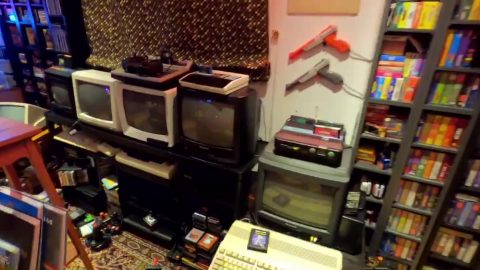
Storing games near electronics that produce heat can create localized damage over time. Strong odors from cleaning products, smoke, or cooking can seep into cardboard and paper, lingering for years.
The biggest mistake is assuming a space is safe without checking it regularly. Conditions change, and storage solutions that worked once may need adjustment as a collection grows.
Balancing Display and Protection
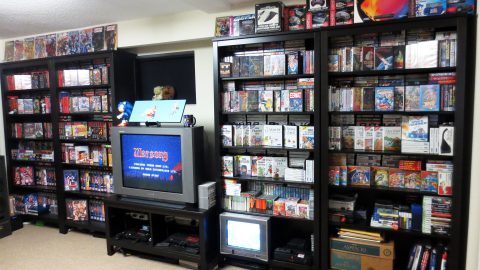
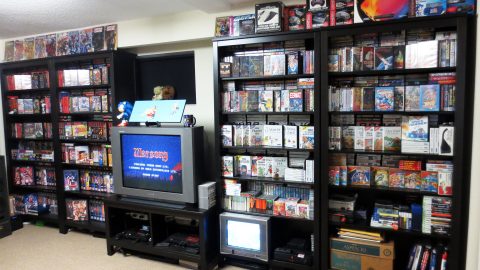
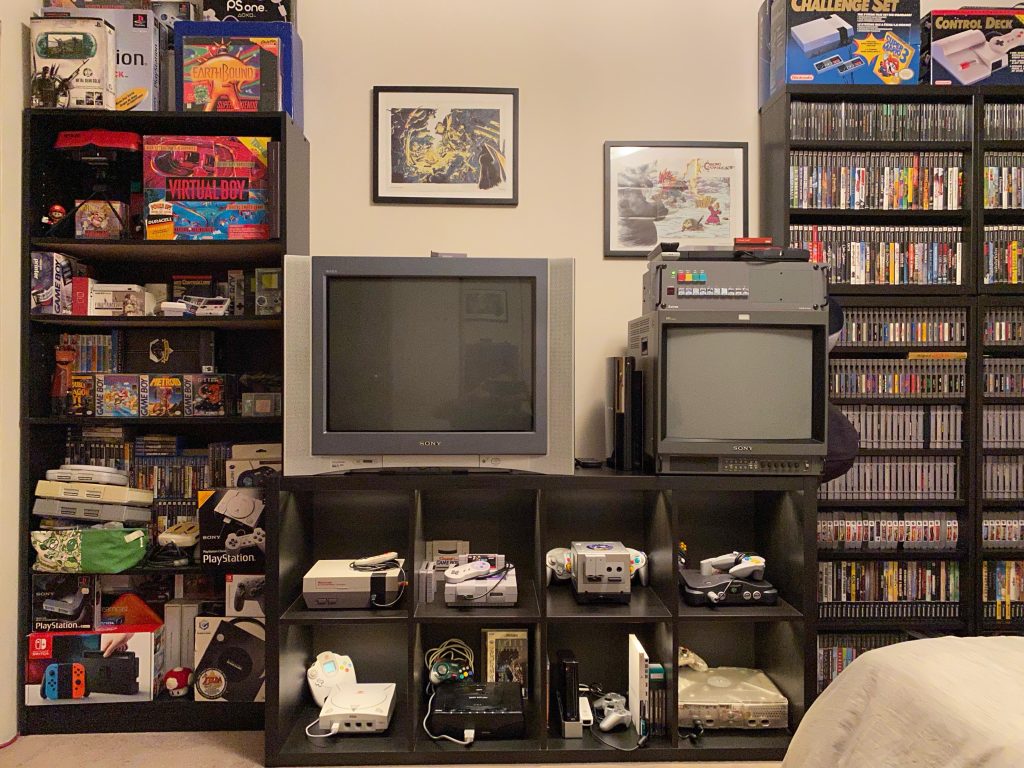
Displaying a collection is part of the fun, but display always involves compromise. Open shelves look great but expose items to light and dust. Closed cabinets offer protection but limit visibility.
I try to balance both by displaying items that are less sensitive while keeping rarer or more fragile pieces protected. Display priorities change over time, and flexibility is key. No single setup is perfect forever.
Accepting that not everything needs to be on display reduces pressure and risk. A collection can still feel alive even when part of it rests safely out of sight.
Thinking Long Term as a Collector
Storage decisions should account for future growth. A setup that barely fits today’s collection will become a problem tomorrow. Planning extra space saves money and stress later on.
I also think about how my collection might be handled years from now. Clear organization and protective storage make it easier for someone else to understand and care for it if needed. A well-stored collection tells its own story without explanation.
Longevity is the real goal. Every choice should favor stability over convenience when possible.
Final Thoughts
Protecting a retro collection is an ongoing process, not a one-time task. Storage habits evolve as collections grow, spaces change, and new information comes to light. Small improvements made consistently matter more than chasing perfect conditions once.
Good storage does not remove the joy of collecting; it preserves it. Knowing that games, boxes, and consoles are safe allows me to enjoy them without constant worry. In the long run, careful storage is one of the most rewarding investments a retro collector can make.