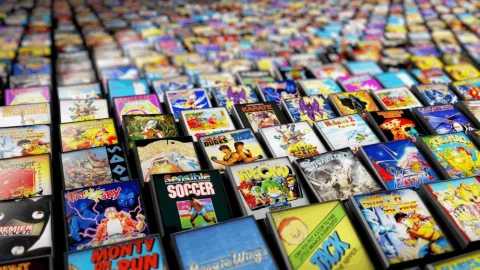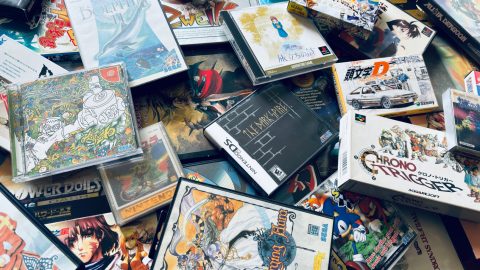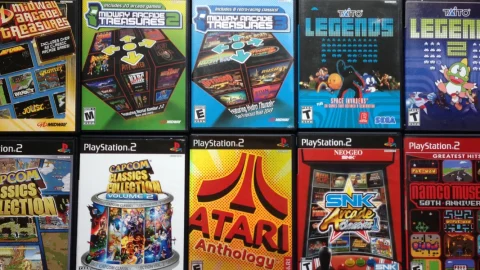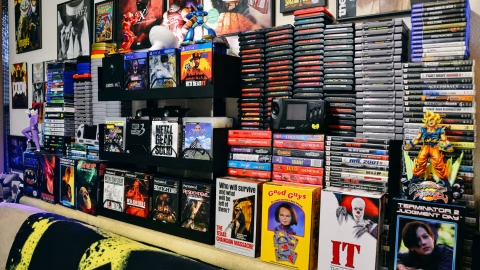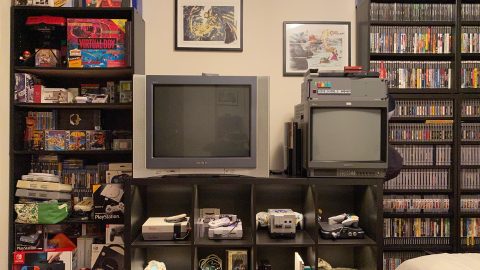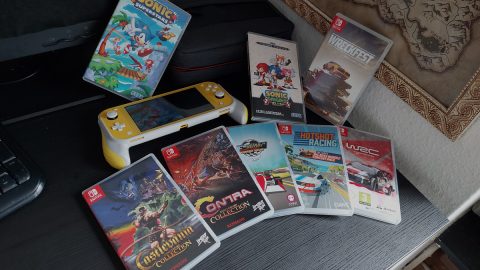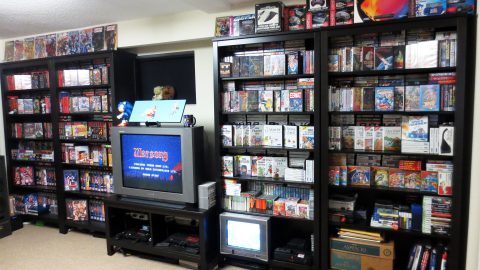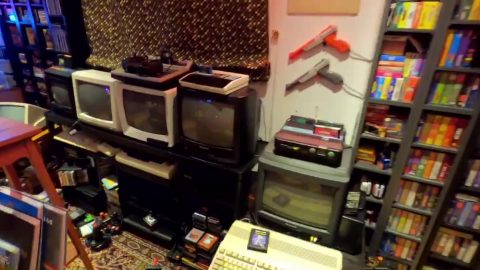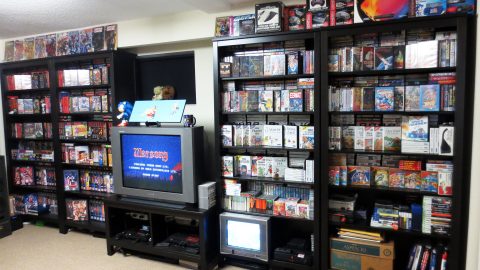

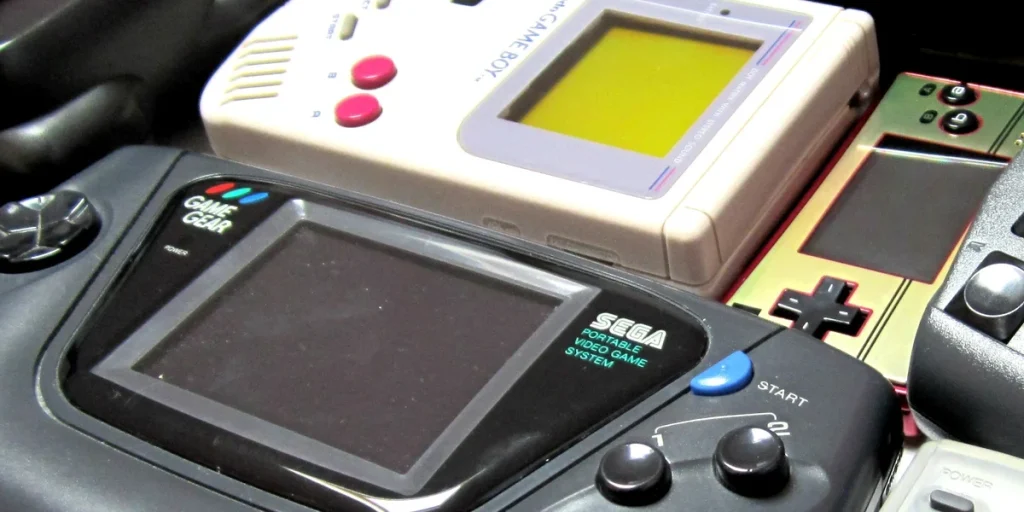
A solid retro game collection does not begin with buying random cartridges or grabbing the first dusty console that pops up online. It starts with intention, patience, and a clear sense of what actually matters to you as a player and collector. I have seen too many collections burn out early because they were built on impulse rather than direction. Starting the right way saves money, shelf space, and a lot of regret down the road.
Retro gaming is personal in a way modern gaming rarely is. These systems and games carry memories, quirks, and limitations that shaped entire eras. Treating them with respect from the beginning makes the whole process more rewarding. A good collection tells a story, and that story should feel like yours rather than a checklist copied from someone else’s shelf.
Defining What Retro Means to You
Retro is a flexible word, and that flexibility can either help or completely confuse you. For some people, retro stops at the PlayStation 1 or Nintendo 64 era, while others draw the line at cartridge-based systems only. I decided early on that I needed a clear cutoff point, otherwise the scope would spiral out of control fast. Knowing where retro begins and ends for you creates healthy boundaries.
Your definition should reflect the experiences that actually resonate with you. Maybe it is 8-bit and 16-bit consoles, or maybe it includes early 3D systems that feel rough around the edges. There is no universal rule that says a Dreamcast is retro but an Xbox is not. What matters is consistency within your own collection.
Once that definition is locked in, everything else becomes easier. Research becomes focused, spending becomes intentional, and you stop feeling pressure to chase systems you do not genuinely care about. That clarity is one of the most underrated tools a collector can have.
Picking a Focus Instead of Buying Everything
Trying to collect everything at once is the fastest way to burn out. The retro gaming world is huge, and even one console library can take years to explore properly. I learned early that narrowing my focus made the hobby far more enjoyable and far less stressful. A focused collection feels curated rather than cluttered.
Some collectors focus on a single console, others on a manufacturer, and some on a specific genre like RPGs or platformers. Any of those approaches work if they match your interests. Focusing does not mean you are locked in forever, but it gives you a strong foundation to build on. You can always expand later once the core feels complete.
A focused start also helps with budgeting and space. Instead of buying ten mediocre games across five systems, you can buy two or three titles you truly care about. Those games will get played, appreciated, and talked about instead of sitting untouched on a shelf.
Researching Before Spending Money
Research is not the glamorous part of collecting, but it is the part that separates smart collectors from frustrated ones. Prices fluctuate constantly, and some games that look rare are actually just poorly listed. I make it a habit to check recent sold listings rather than current asking prices. That one step alone prevents overpaying.
Beyond pricing, research helps identify regional differences, revisions, and common issues. Some cartridges are prone to battery failure, while others suffer from brittle plastic or label wear. Knowing these details ahead of time changes how you evaluate listings and negotiate prices. It also helps you spot red flags that newer collectors often miss.
Research also deepens appreciation. Learning about development history, regional variations, and odd trivia turns a simple purchase into a conversation piece. That knowledge sticks with you and adds meaning to the collection beyond its monetary value.
Starting With Games Before Hardware
It is tempting to grab a console first and worry about games later, but I often recommend flipping that approach. Games are the heart of any retro game collection, and hardware should serve them rather than the other way around. I started by listing the titles I actually wanted to play again. That list guided every hardware decision that followed.
This approach prevents buying consoles that end up unused. A system without games is just plastic and wires, no matter how nostalgic it looks. By prioritizing games, you ensure that every piece of hardware you bring home has a clear purpose. It also helps you avoid collecting consoles purely for display unless that is your explicit goal.
Starting with games also makes budgeting more predictable. You quickly learn which titles are affordable and which ones require patience. That knowledge shapes realistic expectations and prevents disappointment later on.
Condition, Completeness, and Personal Standards
One of the biggest decisions a collector makes is where to draw the line on condition. Some people only want complete-in-box copies, while others are perfectly happy with loose cartridges. I decided early what level of wear I could live with and stuck to it. That consistency kept my collection visually cohesive.
Completeness matters differently depending on the system. Boxed cartridge games often carry a premium, while disc-based games are easier to find complete. Manuals, inserts, and even registration cards can become important over time. Setting personal standards helps avoid endless upgrades and double-dipping later.
Condition should always be evaluated honestly. Minor label wear or case scuffs may not matter if the game plays perfectly. On the other hand, cracked shells or damaged discs can cause long-term issues. Balancing aesthetics with functionality is part of the learning curve, and it gets easier with experience.
Where to Buy Without Getting Burned
Finding good sources is half the battle. Online marketplaces offer convenience and selection, but they also come with risks. I learned to read listings carefully, ask questions, and never assume anything not shown in photos. Clear communication with sellers goes a long way toward avoiding unpleasant surprises.
Local game stores, flea markets, and conventions offer different advantages. You can inspect items in person and sometimes negotiate better prices. Building relationships with local sellers can lead to heads-up deals and trade opportunities. Those connections often become more valuable than any single purchase.
No matter where you buy, patience is critical. Rushing into purchases almost always leads to overpaying or settling for poor condition. Waiting for the right copy at the right price is part of the discipline that defines a strong retro game collection.
Budgeting Without Killing the Fun
Budgeting sounds restrictive, but it actually protects the hobby. I set monthly limits early on and treated them as non-negotiable. That forced me to prioritize what mattered most instead of grabbing everything that caught my eye. The result was fewer purchases but far more satisfaction.
A budget also helps manage rising prices. Retro games are not getting cheaper overall, and chasing trends can drain funds fast. By sticking to a budget, you are less likely to get caught up in hype-driven spikes. You learn to wait, trade, or look for alternatives.
Budgeting does not mean removing spontaneity. It simply adds structure. Saving part of the budget for unexpected finds keeps the thrill alive while still maintaining control.
Storage, Display, and Long-Term Care
How you store and display your collection affects its longevity. Heat, sunlight, and humidity are silent enemies of retro games. I learned quickly that a clean, stable environment matters just as much as the games themselves. Proper storage protects both value and playability.
Shelving should support the weight and shape of cartridges and cases. Stacking games improperly can warp boxes and crack plastic over time. Simple adjustments, like using protective cases or silica packs, make a noticeable difference. These small habits add up over years.
Display choices should balance aesthetics with practicality. It is satisfying to see the collection, but accessibility matters too. Games that are easy to reach are more likely to be played, and playing them is the whole point.
Avoiding the Trap of Collecting for Status
One of the easiest traps to fall into is collecting for validation rather than enjoyment. Chasing rare titles just because they impress others can drain enthusiasm quickly. I have seen shelves filled with expensive games that never get played. That kind of collection feels hollow over time.
A meaningful retro game collection reflects personal taste. It includes weird titles, common games, and maybe a few expensive ones that actually matter to you. There is no prize for owning the rarest cartridge if it brings no joy. Letting go of that pressure makes the hobby healthier.
Sharing the collection should feel fun, not competitive. Conversations about favorite memories and hidden gems are far more rewarding than price comparisons. Keeping that mindset helps the hobby stay grounded.
Playing the Games Instead of Just Owning Them
Ownership without play misses the point. I make it a rule that new additions get played, even if only briefly. That practice reinforces why I started collecting in the first place. Games come alive when they are experienced, not just displayed.
Playing also reveals which titles truly belong in the collection. Some games lose their charm on revisit, and that is okay. Selling or trading those titles makes room for ones that resonate more. A living collection evolves alongside your tastes.
Hardware maintenance becomes more intuitive when you play regularly. Issues get spotted early, controllers stay functional, and systems do not sit unused for years. Regular play keeps everything honest.
Expanding Slowly and Intentionally
Growth should feel natural, not forced. Once the initial focus feels solid, expansion becomes an option rather than a necessity. I approached new systems only after I felt confident with what I already owned. That pacing prevented overwhelm.
Expanding intentionally also allows time to learn. Each system has its own quirks, accessories, and market trends. Jumping into too many at once dilutes that knowledge. Slow expansion builds expertise and confidence.
There is no finish line in retro collecting. Treating it as an ongoing journey rather than a race keeps expectations realistic. The collection grows alongside experience, not ahead of it.
Final Thoughts
Starting a retro game collection the right way is about intention, patience, and self-awareness. The best collections are not the biggest or the most expensive, but the ones that feel personal and well cared for. By defining your scope, focusing your purchases, and respecting the games themselves, the hobby stays enjoyable for the long run.
Retro gaming rewards those who take their time. Each system and game carries history, and engaging with that history thoughtfully makes collecting more than just accumulation. Done right, a retro game collection becomes a reflection of taste, memory, and genuine passion rather than a shelf full of plastic.