
Retro game prices rarely make sense if you only look at them through logic and production numbers. I have watched ordinary-looking cartridges double or triple in value while technically better games sit untouched in bargain bins. The common thread behind most price spikes is not rarity alone or gameplay quality, but emotion. Nostalgia plays a powerful role in how collectors assign value, and once you see it in action, the market becomes much easier to read.
Emotional Memory Is Stronger Than Practical Value
Nostalgia is rooted in emotional memory rather than rational assessment. When I pick up a game I played as a kid, I am not just holding plastic and silicon. I am holding memories of specific rooms, specific times of year, and people who were part of my life back then.
That emotional weight makes a game feel more important than one I never touched growing up. Collectors are often willing to pay more for that feeling than for technical excellence. Emotional attachment routinely overrides logic in the retro market.
Childhood Consoles Shape Adult Spending
Most collectors gravitate toward the console generation they grew up with. People who had an NES as their first system often chase NES titles later in life, while PlayStation-era kids focus on PS1 and PS2. This pattern repeats consistently across generations.
As those players reach stable income years, demand increases sharply for games tied to their youth. Prices rise not because supply changed, but because a generation collectively decided it wanted a piece of its past back. The market reflects that desire almost immediately.
Shared Cultural Moments Increase Demand
Certain games are tied to shared cultural moments rather than just individual memories. Titles that were talked about at school, featured heavily in magazines, or rented constantly at video stores carry extra emotional weight. They become symbols of an era rather than just products.
When enough people remember the same game fondly, demand concentrates around it. This shared nostalgia pushes prices higher than similar games that never achieved the same cultural presence. Collective memory matters as much as personal experience.
Popularity Often Outweighs Scarcity
Some of the most expensive retro games were produced in huge numbers. Games like Super Mario titles or early Pokémon releases were anything but rare at launch. Their high prices today come from massive nostalgic demand rather than low supply.
Scarce games without emotional resonance often remain affordable. Popular games with strong nostalgic ties continue climbing even when thousands of copies exist. Nostalgia reshapes the usual rules of supply and demand.
Media and Online Content Reinforce Nostalgia
Modern media constantly reactivates old memories. YouTube retrospectives, podcasts, and social media posts bring forgotten games back into conversation. Every time a popular creator revisits a classic, interest spikes again.
I have noticed price jumps shortly after a game gets featured in a viral video or documentary. Nostalgia does not stay dormant; it gets reawakened repeatedly. Each revival brings new buyers into the market.
Anniversary Releases Trigger Emotional Buying
Anniversaries play a subtle but important role in price movement. A game turning twenty or thirty years old often sparks renewed discussion and reflection. Publishers may release compilations or remasters that shine a spotlight on the original versions.
That attention sends collectors hunting for physical copies. Even people who already own the game may upgrade condition or packaging. Nostalgia mixed with milestone moments creates short-term surges in demand.
Personal Identity Is Tied to Gaming History
For many collectors, retro games are part of personal identity. Owning certain titles feels like owning proof of where they came from as players. That sense of identity adds value beyond gameplay or display appeal.
I see this most clearly with franchises people followed for years. Early entries become symbols of loyalty and history. Nostalgia transforms those games into personal artifacts rather than entertainment products.
Condition Matters More When Nostalgia Is Involved
Nostalgia does not just increase demand for a game, it increases demand for specific conditions. Boxed copies, manuals, and inserts matter more when collectors want to recreate a childhood experience. The closer the item feels to memory, the higher the price climbs.
Loose cartridges satisfy gameplay needs, but complete copies satisfy emotional ones. That difference explains the massive price gaps between conditions. Nostalgia fuels the desire for authenticity.
Nostalgia Is Stronger Than Gameplay Quality
Some highly priced retro games are not particularly fun by modern standards. Awkward controls, unclear mechanics, and punishing difficulty would turn away new players. Nostalgia shields these flaws from criticism.
Collectors remember how a game felt, not how it actually plays today. That remembered experience holds more weight than objective quality. The market reflects remembered joy rather than present-day playability.
Regional Nostalgia Shapes Global Prices
Different regions experience nostalgia differently. Games that were huge in one country may have little recognition elsewhere. As global online marketplaces connect collectors, regional nostalgia starts influencing worldwide prices.
I have seen Japan-exclusive titles spike because Western collectors discovered them later and formed new emotional connections. Nostalgia does not always originate from childhood. It can form through discovery and cultural curiosity as well.
Remakes Increase Interest in Originals
Remakes and remasters often drive up prices of original releases. They remind players why a game mattered in the first place. After revisiting a modern version, many collectors want the original physical copy for authenticity.
This effect is especially strong when remakes stay faithful to the source material. Nostalgia bridges the old and the new, pulling attention backward rather than replacing the past. Originals gain prestige as historical reference points.
Nostalgia Is Generational, Not Static
Nostalgia shifts as generations age. Games from the late 1990s and early 2000s now experience the same price pressures older consoles faced years ago. What once seemed too new to be collectible suddenly becomes desirable.
I have watched PS2 and GameCube prices climb as those players reach adulthood. The cycle repeats predictably. Nostalgia moves forward in time, carrying prices with it.
Memory Is Selective and Idealized
Nostalgia filters out frustration and boredom. Long load times, cryptic puzzles, and clunky mechanics fade from memory. What remains is the feeling of discovery and excitement.
This selective memory inflates value. Collectors chase an idealized version of the past that never fully existed. The market rewards that ideal rather than historical accuracy.
Social Proof Amplifies Nostalgic Demand
When people see others paying high prices for nostalgic items, it reinforces perceived value. Social proof turns emotional desire into urgency. Nobody wants to miss out on reclaiming a piece of their childhood.
This effect accelerates price increases during hype cycles. Nostalgia spreads socially, not just individually. The more people talk about a game, the more valuable it feels.
Nostalgia Reduces Willingness to Sell
Collectors are less likely to sell games tied closely to personal memories. That reluctance reduces supply even further. Fewer copies circulate, driving prices upward.
I have held onto certain games despite tempting offers simply because selling them felt wrong. That emotional resistance shapes the market quietly but powerfully. Nostalgia locks items into collections.
Younger Collectors Experience Borrowed Nostalgia
Not all nostalgia comes from firsthand experience. Younger collectors often develop affection for games they never played growing up. Exposure through streaming, retro events, and older siblings creates a secondhand emotional connection.
This borrowed nostalgia still influences prices. Emotional attachment does not require lived experience. Appreciation and curiosity can produce similar demand.
Packaging and Presentation Trigger Memory
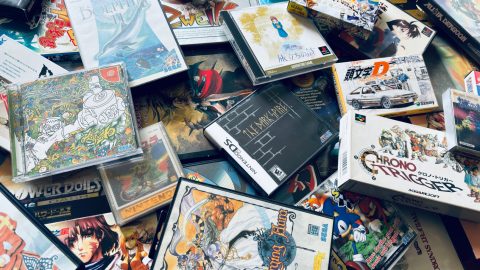
Artwork, fonts, and physical design play a major role in nostalgic appeal. Box art alone can trigger strong emotional responses. Collectors often react instantly to visual cues tied to memory.
That reaction increases willingness to pay. Packaging becomes more than decoration; it becomes a memory trigger. Games with iconic presentation often outperform similar titles without it.
Nostalgia Favors Familiar Franchises
Established franchises benefit most from nostalgic pricing. Familiar characters and recurring themes strengthen emotional bonds. Each sequel reinforces memory of earlier entries.
Early titles gain value as origin points of beloved series. Nostalgia rewards beginnings more than conclusions. Collectors chase the roots of what they loved.
The Market Reflects Feelings More Than Facts
Looking at retro game prices without considering nostalgia leads to confusion. Production numbers, technical specs, and historical importance only explain part of the picture. Emotional demand fills the gaps logic cannot.
I stopped trying to rationalize every price spike years ago. Once nostalgia is factored in, patterns emerge clearly. Feelings move markets more than spreadsheets.
Final Thoughts
Nostalgia is the invisible force behind most retro game price trends. It shapes demand, alters perception, and overrides logic in ways that surprise newcomers. Games become valuable not because they are rare or perfect, but because they matter emotionally to large groups of people.
By recognizing how nostalgia works, it becomes easier to understand why certain titles climb while others stall. Retro collecting is not just about history or hardware. It is about memory, emotion, and the desire to reconnect with moments that shaped who we are as players.