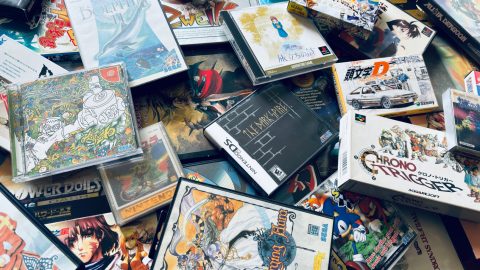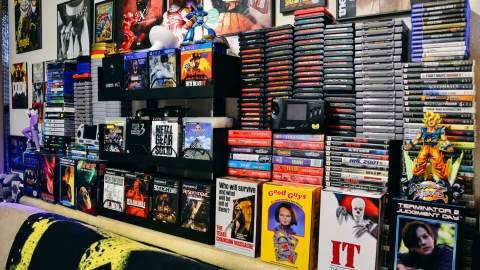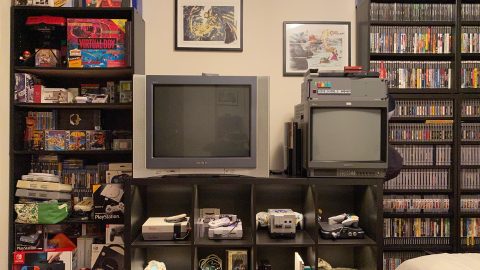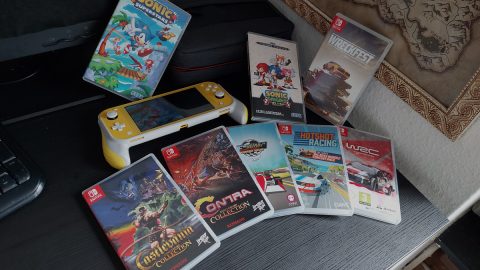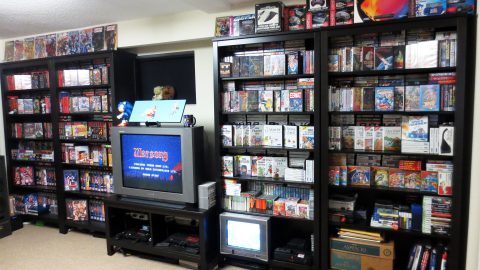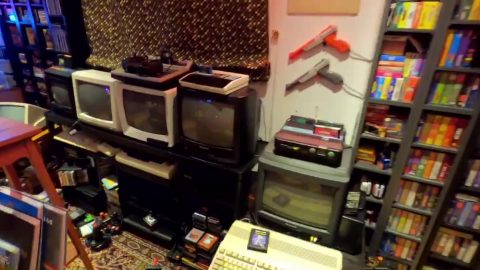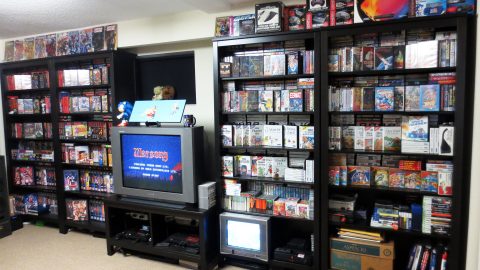

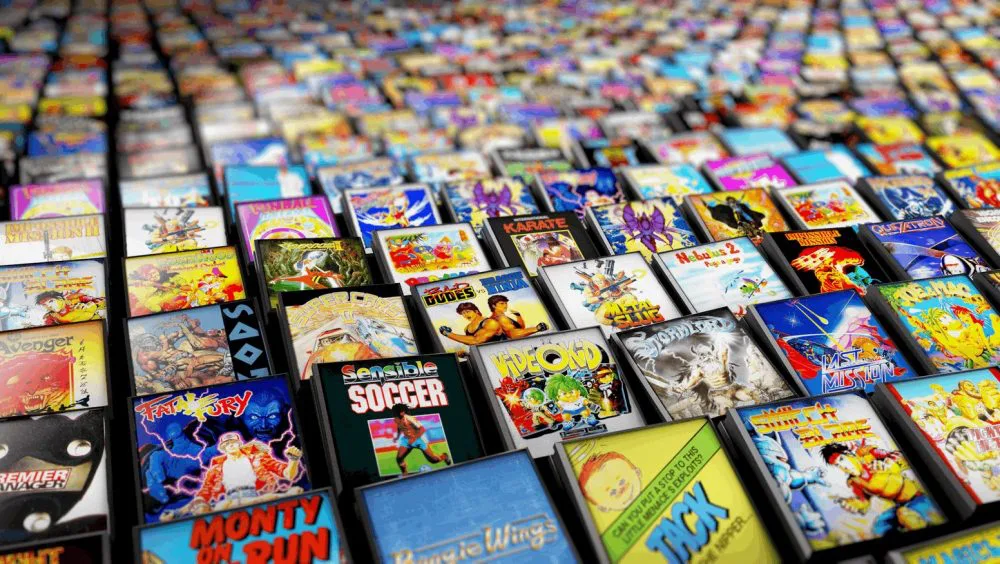
Debates around complete-in-box and loose games surface in almost every retro gaming conversation I have. The moment collectors gather, whether online or in person, the topic eventually drifts toward boxes, manuals, and what really counts as a proper copy. I have spent years moving between both sides of this divide, and my perspective has shifted more than once along the way. The preference is rarely as simple as value versus playability, even if that is how the argument often starts.
Retro collecting is shaped by memory, space, money, and personality. Some collectors want shelves that look like a time capsule from a 1990s game store, while others just want the cartridge or disc ready to play. Neither mindset exists in a vacuum, and most long-term collectors end up somewhere in the middle. The tension between complete-in-box and loose copies says more about the collector than the games themselves.
What Complete-In-Box Really Represents
Complete-in-box copies represent more than cardboard and paper. For many collectors, they recreate the feeling of buying a game new, standing in a store aisle, and flipping the box over to read the back. That experience is deeply tied to nostalgia, especially for those who grew up during the cartridge era. Holding a boxed game can feel like reclaiming a small piece of time that otherwise slipped away.
I see complete-in-box games as artifacts from a specific moment in gaming history. The box art, manual design, and even warranty cards reflect how publishers communicated with players before the internet took over. Those details matter to collectors who value context as much as gameplay. The game feels complete not just as software, but as a product of its era.
That sense of completeness also brings emotional satisfaction. Seeing a shelf lined with uniform boxes scratches a particular itch that loose carts never quite reach. For some collectors, that visual harmony is the entire point of collecting.
The Appeal of Loose Games
Loose games appeal to a different kind of practicality. They are easier to store, usually cheaper, and far less stressful to hunt down. I have often turned to loose copies when my priority was playing rather than displaying. There is a simplicity in grabbing a cartridge, popping it in, and getting straight to the game.
Loose collecting strips away the pressure of perfection. Scratched cases, torn manuals, and sun-faded boxes are no longer concerns. The focus shifts back to gameplay, mechanics, and personal enjoyment. That mindset can feel liberating, especially in a market where boxed prices climb steadily.
There is also a certain honesty to loose collections. They often reflect how games were actually used back in the day. Many players tossed boxes without a second thought, so loose copies feel authentic to real-world gaming habits rather than idealized preservation.
Space as a Deciding Factor
Space plays a bigger role in this debate than many collectors admit. Complete-in-box collections demand shelves, careful stacking, and controlled environments. Boxes are fragile, sensitive to light, and prone to wear if handled often. Not everyone has the room or conditions to support that long term.
Loose games fit into smaller spaces and adapt easily to changing living situations. A single drawer or storage case can hold dozens of cartridges. For collectors in apartments or shared homes, that flexibility matters. I have downsized before, and loose games made that process far less painful.
Storage limitations often push collectors toward compromise. Some systems may be collected complete-in-box, while others remain loose. That balance reflects real-world constraints rather than ideological loyalty to one format.
Cost and Market Reality
Cost is impossible to ignore in this discussion. Complete-in-box copies almost always command a premium, sometimes several times the price of a loose version. That gap can make or break a collecting plan. I have skipped boxed copies simply because the price no longer made sense for what the game offered.
Market trends amplify this divide. As more collectors chase boxed copies, prices rise, and supply tightens. Loose games remain more accessible, especially for popular titles that sold in large numbers. That accessibility keeps the hobby open to newcomers who might otherwise feel priced out.
Spending more does not always translate to more enjoyment. A boxed game that sits untouched on a shelf may bring less satisfaction than a loose copy that gets played regularly. Cost forces collectors to reflect on their actual priorities.
Manuals and Printed History
Manuals occupy an interesting middle ground in the complete-in-box versus loose debate. Some collectors value manuals almost as much as the game itself. Others barely glance at them. I have gone through phases where manuals felt essential and others where they felt optional.
Manuals often contain artwork, story details, and design explanations that never made it into the game. For older titles, especially RPGs, manuals can be crucial for context. Losing them feels like losing part of the experience. That makes complete-in-box copies particularly appealing for certain genres.
At the same time, manuals are among the most fragile components. Pages tear, staples rust, and covers crease easily. Replacing them later can be difficult and expensive. That reality pushes some collectors toward loose copies with no expectation of completeness.
Condition Anxiety and Mental Load
Complete-in-box collecting introduces a unique kind of anxiety. Boxes crease, corners dent, and sunlight fades colors over time. I have caught myself worrying more about preserving cardboard than enjoying the games inside. That mental load can quietly sap the fun from collecting.
Loose games reduce that stress significantly. Without boxes to protect, minor wear feels less catastrophic. Scratches and scuffs become signs of use rather than damage. That mindset makes it easier to relax and actually engage with the collection.
Collectors who thrive on order and preservation may find satisfaction in managing condition. Others find it exhausting. Knowing which camp you fall into helps determine which format aligns better with your personality.
Display Versus Accessibility
Display value is one of the strongest arguments for complete-in-box collections. Boxes showcase artwork as it was intended to be seen. A shelf of boxed games immediately communicates identity and taste. It invites conversation in a way that storage bins never will.
Accessibility tells a different story. Loose games are easier to rotate, lend, and play spontaneously. There is no unboxing ritual or concern about wear from handling. That ease encourages regular use rather than passive admiration.
I have noticed that my boxed games get played less often. The extra steps create subtle friction. Loose games, by contrast, invite interaction. That difference shapes how connected I feel to each part of my collection.
Long-Term Collecting Goals
Long-term goals influence format preferences more than short-term impulses. Collectors aiming for archival preservation often lean toward complete-in-box. Those focused on gameplay longevity lean loose. I have shifted goals over time, and my collection reflects those changes.
A complete-in-box collection demands long-term commitment. Once started, it is hard to revert without selling or storing bulky items. Loose collections are easier to adapt as interests change. That flexibility matters over decades, not just years.
Thinking ahead prevents regret. It helps to imagine how the collection will fit into future living spaces and lifestyles. Format decisions made early echo far longer than expected.
Emotional Attachment and Memory
Emotional attachment plays out differently between formats. A boxed game can trigger memories of gift-giving, store visits, and anticipation. That emotional response can be powerful and deeply personal. I have felt it many times holding a game exactly as it appeared decades ago.
Loose games often connect more directly to play memories. They recall afternoons spent swapping cartridges with friends or blowing dust out of connectors. That raw familiarity carries its own emotional weight. It feels closer to how games were actually lived with.
Neither emotional path is superior. They simply emphasize different parts of the past. Collectors gravitate toward whichever memories matter most to them.
Hybrid Collecting as a Middle Ground
Many collectors eventually land on a hybrid approach. Some systems are collected complete-in-box, others loose. Certain favorite titles get upgraded, while lesser ones remain simple. I have found this balance to be the most sustainable over time.
Hybrid collecting removes pressure. It allows flexibility without abandoning standards entirely. Upgrades become intentional rather than obligatory. That mindset keeps the hobby enjoyable rather than compulsive.
This approach also reflects reality. Not every game deserves the same level of investment. Treating them differently acknowledges that truth without guilt.
Influence of Online Culture
Online communities amplify preferences and sometimes distort them. Photos of pristine boxed collections dominate social media. That visibility can create unrealistic expectations. I have felt that pull, even when it conflicted with my own habits.
Loose collections rarely photograph as well, but they often see more use. Online validation does not always align with personal satisfaction. Recognizing that gap helps maintain perspective.
Collectors who chase approval often lose sight of their original motivation. Stepping back from comparison restores clarity. The collection should serve the collector, not the algorithm.
Final Thoughts
The debate between complete-in-box and loose collecting has no definitive winner. Each format offers distinct rewards and challenges shaped by space, budget, personality, and goals. What collectors prefer often changes over time as circumstances evolve. That fluidity is part of what keeps retro collecting interesting.
A collection built with intention always feels better than one built on pressure. Whether boxed or loose, the value lies in enjoyment, connection, and authenticity. Letting those priorities guide decisions leads to a collection that feels right rather than merely impressive.