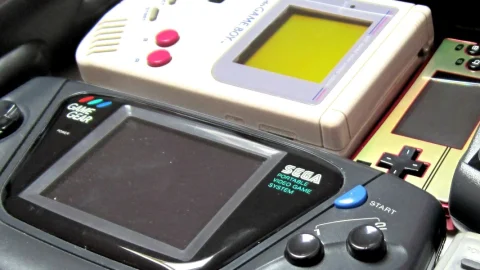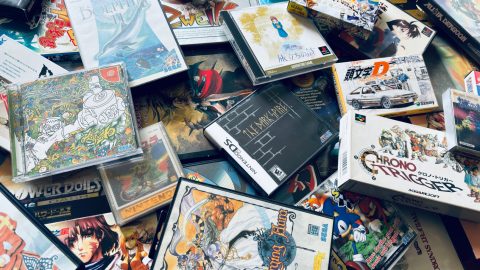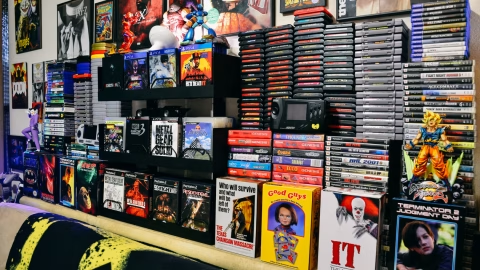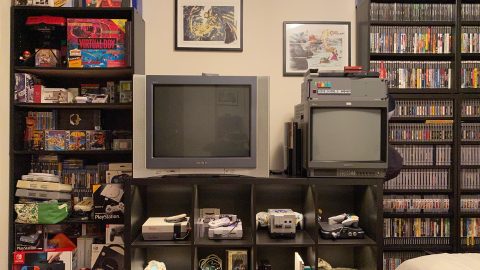

Dirty retro games are more than an aesthetic problem. Grime affects connectors, dust traps moisture, and residue slowly eats away at plastics and paper. Cleaning is one of those tasks every collector eventually faces, whether it is a cartridge that will not boot or a boxed game that smells like it spent a decade in a basement. Done correctly, cleaning extends the life of a collection. Done poorly, it can permanently reduce both value and enjoyment.
I have learned over time that restraint matters more than aggression. Retro games are resilient, but they were never designed for modern restoration habits or harsh chemicals. The goal is always preservation, not perfection, and knowing when to stop is just as important as knowing how to start.
Why Gentle Cleaning Matters
Retro games are made from materials that age differently. Plastic shells, paper labels, metal contacts, adhesives, and inks all react in their own ways to moisture and chemicals. Treating everything the same is the fastest way to cause damage.
Cleaning should stabilize and improve condition without altering original surfaces. Overcleaning can fade labels, loosen glue, and strip protective coatings. I remind myself that a little wear is part of a game’s history, and removing that history is not the same as caring for it.
Preparing a Safe Cleaning Space
A controlled workspace makes a huge difference. Cleaning at a cluttered desk increases the risk of drops, spills, or mixing tools meant for different materials. I always work on a clean, well-lit surface with enough space to spread items out.
Good airflow matters too. Some cleaning agents evaporate quickly, and trapped fumes are unpleasant and unnecessary. Having everything prepared before starting prevents rushed decisions that lead to mistakes.
Basic Tools That Do the Most Work
Cleaning retro games does not require fancy equipment. Soft microfiber cloths, cotton swabs, isopropyl alcohol, distilled water, and a soft brush handle most tasks. The key is using the right tool for the right surface.
I avoid paper towels and rough fabrics, which can scratch plastic and leave fibers behind. Cheap cotton swabs that shed lint are also a problem. Quality basics outperform specialized gadgets more often than not.
Cleaning Cartridge Exteriors Safely
Cartridge shells collect oils from hands, dust, and environmental residue. Surface cleaning improves appearance and prevents grime from migrating inside. I start dry whenever possible, using a soft cloth to remove loose debris.
For stubborn dirt, lightly dampening a cloth with distilled water works well. I avoid soaking and never let moisture pool near seams or screws. Gentle pressure and patience outperform scrubbing every time.
Protecting Labels During Cleaning
Labels are often the most fragile part of a cartridge. Water and alcohol can damage ink and weaken adhesive if misused. I treat labels as a separate task rather than part of general cleaning.
Dry cleaning methods come first. A soft, dry cloth removes surface dust safely. If deeper cleaning is needed, I use minimal moisture and keep it away from edges. Preserving label integrity always outweighs cosmetic improvement.
Cleaning Cartridge Contacts Without Risk
Dirty contacts cause many common boot issues. Cleaning them properly restores functionality without harming the metal. Isopropyl alcohol works well because it evaporates quickly and leaves no residue.
I apply alcohol to a cotton swab rather than pouring it directly. Gentle back-and-forth motion removes oxidation without scraping. Abrasive methods are unnecessary and can remove protective plating.
Opening Cartridges Only When Necessary
Opening cartridges is sometimes helpful but not always required. Each opening increases the risk of stripping screws or stressing plastic. I only open cartridges when internal cleaning is clearly needed.
When I do open one, organization matters. Screws go into a small container, and parts stay arranged logically. Rushing reassembly causes more problems than dirty contacts ever did.
Cleaning Disc-Based Games Carefully
Discs demand a different approach. Scratches, fingerprints, and residue affect readability, but aggressive cleaning can worsen damage. I always clean discs radially, moving outward from the center.
A microfiber cloth and small amount of distilled water or alcohol handle most issues. Circular motion is avoided because it follows the data track and increases read errors if scratches occur. Less pressure reduces risk significantly.
Dealing With Sticky Residue and Adhesive
Sticker residue and old price tags are common annoyances. Removing them without harming surfaces takes patience. Heat from hands or gentle warmth softens adhesive safely.
I never scrape with hard tools. Fingertips and soft cloths work better. If a solvent is needed, it stays far away from labels and artwork. Testing on an unseen area prevents unpleasant surprises.
Cleaning Console Exteriors Without Damage
Console shells collect dust, smoke residue, and oils over years of use. Surface cleaning improves appearance and airflow. I unplug everything and remove loose debris before using any moisture.
A lightly damp cloth followed by a dry wipe handles most grime. Vents require extra care, using soft brushes to loosen dust without pushing it deeper inside. Consoles benefit from patience rather than force.
Internal Console Cleaning With Caution
Internal cleaning helps consoles run cooler and last longer, but it is optional and risky if rushed. Dust buildup can be removed with compressed air used sparingly. Short bursts prevent moisture buildup from propellants.
I avoid touching components unnecessarily. Static and physical stress are real risks. Internal cleaning is about removal, not restoration, and restraint keeps it safe.
Cleaning Controllers Without Ruining Them
Controllers see constant handling and absorb sweat, oils, and dirt. Buttons and seams trap grime that affects feel and responsiveness. Surface cleaning is straightforward, but deep cleaning requires care.
I start with external cleaning before considering disassembly. Cotton swabs reach seams effectively. If opening a controller, I photograph steps to ensure correct reassembly. Rushing this process causes more harm than dirt ever did.
Boxed Games and Paper Materials
Boxes and manuals require a different mindset. Paper reacts poorly to moisture and friction. Dry cleaning methods are almost always the safest option.
Soft brushes remove dust, while gentle air movement clears debris. I avoid liquids unless absolutely necessary. Once paper is damaged, it rarely recovers fully, so prevention matters more than correction.
Removing Odors Without Chemicals
Old games sometimes carry musty or smoky odors. Masking smells with sprays causes long-term problems. Neutralizing odors gently works better.
I isolate affected items and allow airflow. Activated charcoal or baking soda nearby absorbs smells without contact. Time does much of the work without risking damage.
Avoiding Common Cleaning Mistakes
Many mistakes come from impatience. Using household cleaners, soaking items, or scrubbing aggressively causes irreversible harm. Strong chemicals strip finishes and dissolve adhesives.
Another mistake is mixing methods across materials. What works on plastic can destroy paper. Treating each component individually prevents accidents that affect overall condition.
Knowing When Not to Clean
Not everything needs cleaning. Some wear tells a story and does not threaten functionality. Over-restoration can reduce authenticity and value.
I ask myself whether cleaning will meaningfully improve usability or preservation. If the answer is no, I leave the item alone. Accepting imperfections is part of responsible collecting.
Cleaning Frequency and Long-Term Care
Cleaning is not a one-time event. Regular light maintenance prevents heavy buildup. Dusting and gentle wiping reduce the need for deeper intervention later.
I prefer small, frequent care over infrequent deep cleaning. This approach minimizes risk and keeps items stable over time. Consistency beats intensity.
Respecting Original Materials and Design
Retro games were designed for a different era. Materials, coatings, and finishes reflect manufacturing choices of their time. Modern expectations of cleanliness can clash with original intent.
I aim to preserve how items were meant to look, not force them into modern standards. Respecting original materials honors the history behind each game.
Balancing Play and Preservation
Cleaning supports both play and preservation. Clean contacts improve reliability, and clean shells feel better to handle. The goal is usability without compromising originality.
I clean to enable enjoyment, not to chase perfection. That balance keeps the hobby satisfying rather than stressful. Games feel alive when they work and look cared for.
Final Thoughts
Cleaning retro games is an exercise in patience and respect. Gentle methods, thoughtful tools, and realistic expectations protect items far better than aggressive restoration. Every game carries decades of history, and cleaning should preserve that story rather than erase it.
Handled carefully, cleaning becomes part of stewardship rather than risk. The reward is a collection that functions well, looks cared for, and continues to bring enjoyment without unnecessary damage.