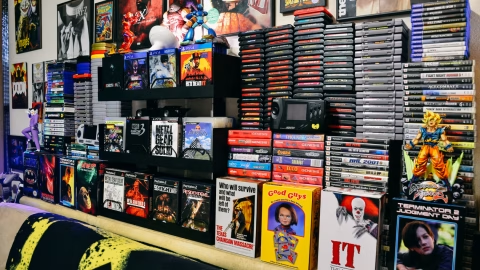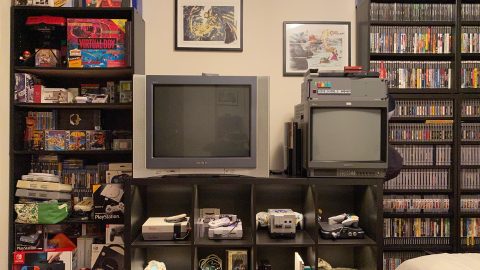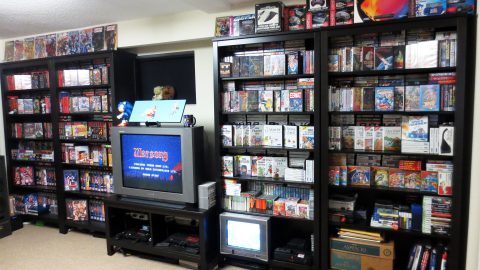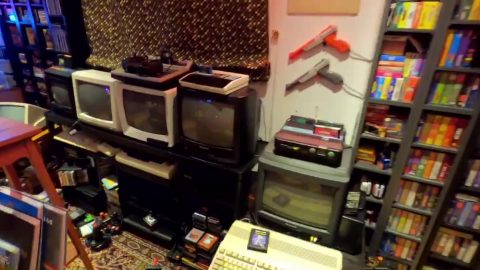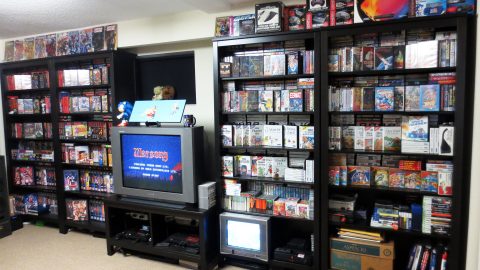

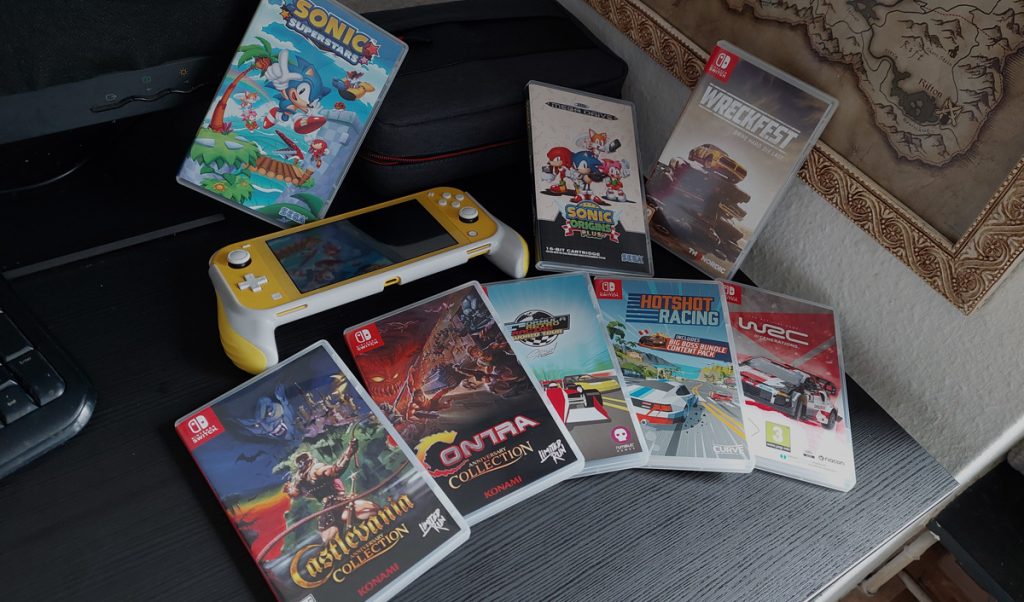
Retro game collecting often gets framed as an expensive hobby reserved for people willing to drop large sums of money on rare titles. That perception keeps a lot of potential collectors on the sidelines before they ever get started. A meaningful collection does not require unlimited funds, perfect timing, or insider access. What it does require is patience, flexibility, and a clear idea of what actually brings value and enjoyment.
I have built most of my collection without chasing headline-grabbing purchases. The process has been slower, sometimes frustrating, but far more rewarding than buying everything at market price. Budget collecting is not about settling for less, it is about being intentional and learning how the hobby really works beneath the surface.
Defining What a Budget Collection Means
A budget collection looks different for everyone. For some people, it means setting a strict monthly spending limit. For others, it means refusing to pay premium prices even when they can afford them. The key is deciding early what boundaries make sense and sticking to them.
I treat my budget as a creative constraint rather than a limitation. It forces me to research, wait, and think critically about each addition. That mindset prevents impulse buys and keeps the collection aligned with what actually matters to me.
Focusing on Play Value Over Market Value
Market value dominates most online conversations, but play value is where budget collecting shines. Many affordable games offer deep gameplay, unique ideas, and hours of enjoyment without commanding high prices. These titles often get ignored because they lack hype or nostalgia buzz.
I have found some of my favorite experiences in bargain bins and overlooked genres. Racing games, sports titles, puzzle games, and licensed releases often remain affordable despite being genuinely fun. Prioritizing play keeps the hobby grounded and satisfying.
Accepting Imperfect Condition
Perfect condition costs money, plain and simple. Boxes with sharp corners, flawless labels, and pristine manuals carry a premium that quickly eats into a budget. Accepting wear opens the door to far more options.
I own plenty of cartridges with faded labels and cracked cases. They play exactly the same as mint copies and cost a fraction of the price. Cosmetic flaws become irrelevant once the game is running and the experience takes over.
Loose Games Are Not a Compromise
Loose cartridges and discs often get treated as second-class items, but they are ideal for budget collectors. Boxes and manuals are nice, but they are not required to enjoy a game. Removing packaging from the equation dramatically lowers entry costs.
Most of my frequently played games are loose copies. They live in protective cases and get regular use without worry. Letting go of the need for completeness makes collecting far more accessible.
Buying Common Games First
Every console has a library of common titles that were produced in large numbers. These games rarely become expensive and often represent the core identity of the system. Starting with them builds a solid foundation without financial stress.
I focused early on widely available releases that defined each platform. These games taught me what I liked before I ever considered pricier options. Building breadth before depth keeps spending under control.
Avoiding Hype Cycles
Hype is one of the biggest enemies of a budget. Prices spike when games trend online, get featured in videos, or tie into new releases. Buying during those moments almost guarantees overpaying.
I make a habit of waiting until attention fades. Most hype-driven price increases cool off eventually. Patience saves money and reduces regret.
Using Local Sources Instead of Online Marketplaces
Online marketplaces are convenient, but they reflect the highest common prices. Local options often offer better deals because sellers are motivated by speed rather than maximizing profit. Thrift stores, flea markets, garage sales, and local game shops are worth regular visits.
Some of my best finds came from places that required time and effort. Talking to sellers, digging through boxes, and showing up consistently pays off. Local buying rewards persistence more than money.
Trading Instead of Buying
Trading stretches a budget further than cash purchases. Games you no longer care about can fund new additions without additional spending. Trading also builds relationships within the community.
I regularly trade duplicates or unwanted titles for games I want to play. Even uneven trades can make sense if both sides get value. Trading turns stagnant items into opportunities.
Setting Long-Term Goals Instead of Checklists
Rigid checklists push collectors toward expensive purchases. Long-term goals allow flexibility. Deciding to explore a genre, a console era, or a specific developer creates direction without pressure.
My goals shift over time as interests change. That flexibility keeps the hobby enjoyable and prevents burnout. A budget-friendly collection grows organically rather than chasing completion.
Learning to Spot Value Beyond Popular Titles
Well-known franchises dominate price charts, but lesser-known games often offer equal or better experiences. Learning to recognize quality outside the spotlight takes time but pays off.
I read old reviews, browse forums, and watch gameplay footage before buying unfamiliar titles. That research helps identify hidden gems that stay affordable. Knowledge replaces money as the primary resource.
Buying Bundles and Lots Strategically
Game lots can be an effective way to lower per-item cost. Sellers often price bundles to move inventory quickly. While not every game in a lot will be desirable, the overall value can still be strong.
I only buy lots when at least a few items justify the price. Extra games can be traded, sold, or gifted. Bundles work best when approached selectively rather than impulsively.
Repair and Cleaning as Cost Savers
Dirty or non-working games often sell for less. Basic cleaning and minor repairs can restore functionality at minimal cost. Learning these skills expands buying options significantly.
I have revived games with simple contact cleaning or battery replacement. These fixes cost very little and preserve original hardware. Maintenance skills stretch a budget further than almost anything else.
Avoiding Speculation and Investment Thinking
Speculation encourages risky spending and disappointment. Buying games because they might rise in value rarely aligns with budget collecting. Markets fluctuate, but enjoyment remains consistent.
I buy games because I want to play or study them. Any increase in value is a bonus, not a goal. Removing profit expectations reduces pressure and overspending.
Embracing Digital Tools Without Abandoning Physical Media
Digital access helps inform physical purchases. Emulation and digital collections allow sampling before buying. This approach prevents wasting money on games that do not resonate.
I often try a game digitally before committing to a physical copy. That practice keeps my shelf focused and intentional. Digital tools support budget collecting rather than replace it.
Timing Purchases Carefully
Timing matters more than people realize. Prices fluctuate seasonally and around major events. Buying during slower periods often results in better deals.
I avoid peak shopping seasons and major release windows. Quiet months offer more negotiating room. Paying attention to timing reduces unnecessary spending.
Building Relationships With Sellers
Regular interactions with local shops and sellers build trust. Repeat customers often get better prices, early access, or trade opportunities. Relationships matter more than negotiation tactics.
I support local stores consistently rather than only chasing deals. That loyalty pays off over time. Human connection turns collecting into a shared experience rather than a transaction.
Accepting That Not Everything Needs to Be Owned
Ownership is not the only way to experience retro games. Borrowing, sharing, and playing at events provide access without cost. Letting go of ownership pressure reduces spending dramatically.
I enjoy conventions and community meetups where rare games are available to play. Those experiences satisfy curiosity without draining a budget. Collecting does not have to mean owning everything.
Organizing to Avoid Duplicate Spending
Poor organization leads to accidental duplicates and wasted money. Keeping track of what you own prevents unnecessary purchases. Simple lists or apps solve this problem easily.
I review my collection regularly before buying anything new. That habit keeps spending focused and intentional. Organization supports discipline.
Resisting the Urge to Compare Collections
Comparing collections online creates unrealistic expectations. Social media highlights extreme examples rather than everyday reality. That comparison fuels unnecessary spending.
I remind myself that collections reflect personal journeys, not competitions. My collection exists to serve my interests, not impress others. Letting go of comparison protects both budget and enjoyment.
Finding Satisfaction in the Process
Budget collecting rewards patience and creativity. The process becomes part of the enjoyment rather than an obstacle. Each find feels earned rather than purchased.
I appreciate the stories behind each acquisition more than the price tags. The hunt, the wait, and the small victories create lasting satisfaction. Money matters less when effort carries meaning.
Final Thoughts
Building a retro game collection on a budget is not about shortcuts or compromises. It is about clarity, patience, and understanding what actually brings value to the hobby. With realistic expectations and thoughtful choices, a limited budget becomes a strength rather than a weakness.
A collection built slowly tells a richer story than one assembled quickly. Each game reflects a decision, a moment, and a bit of effort. That story matters far more than how much money was spent along the way.