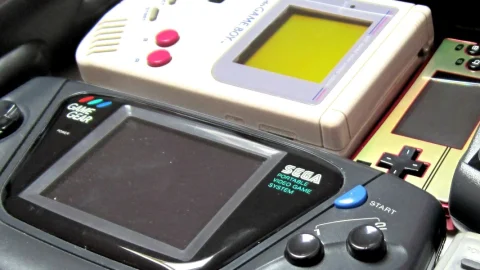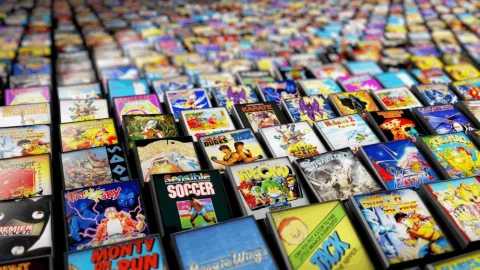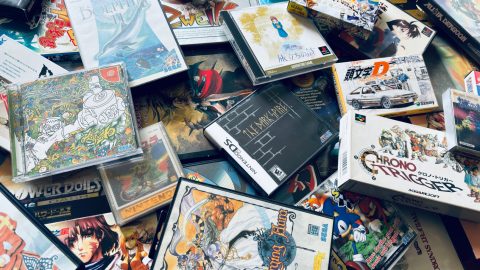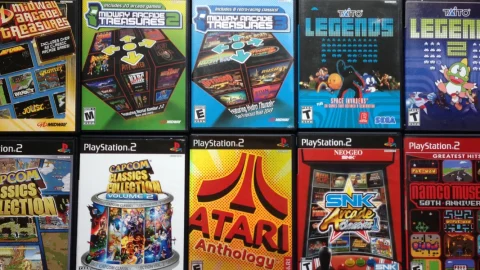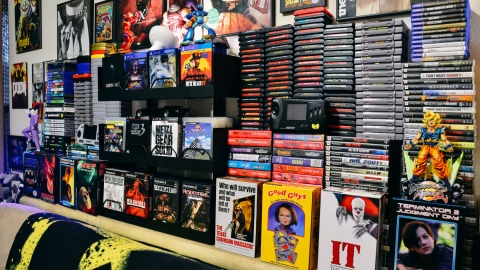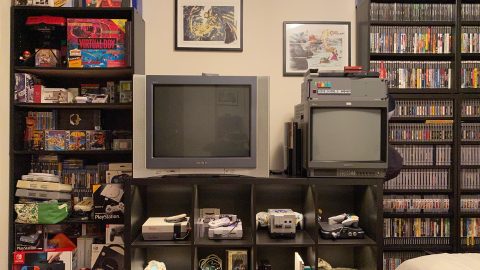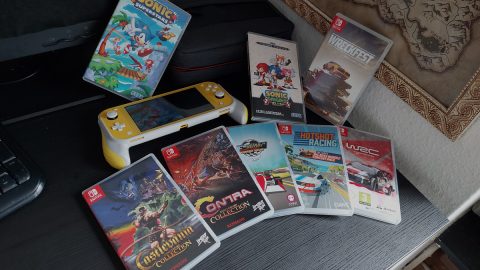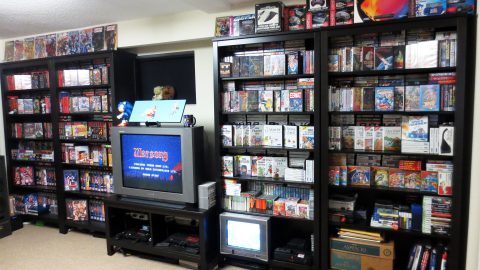

Retro game collecting sits at an uncomfortable crossroads. On one side, there is the pure joy of playing games the way they were originally experienced. On the other, there is the growing reality that many of these games now carry serious monetary value. That tension has only grown stronger as prices climb and conversations shift away from fun toward returns, grading, and long-term worth.
I have wrestled with this question more than once. The answer has changed as the market evolved and as my own priorities shifted. Collecting to play and collecting to invest are often treated as opposites, but the reality is more complicated, and sometimes more personal, than that simple split suggests.
How Retro Collecting Reached This Crossroad
Retro games were not always framed as assets. For a long time, they were cheap, plentiful, and mostly ignored outside small enthusiast circles. Collectors bought games because they loved them, not because they expected appreciation.
As prices rose and stories of valuable collections spread, motivations began to change. New buyers entered the hobby with different expectations. Playing and investing started to compete for attention, and the culture around collecting shifted with it.
The Case for Collecting to Play
Collecting to play keeps the hobby grounded. Games are interactive by nature, and their value was originally defined by the experiences they offered. Playing them connects the present to the past in a way that display-only ownership never quite replicates.
I still believe games reveal their true worth when they are played. Mechanics, music, pacing, and design choices make more sense when experienced firsthand. Owning a game without playing it often feels incomplete, like owning a book you never open.
Emotional Value Versus Market Value
Emotional value does not show up on price charts. A game tied to childhood memories or shared experiences can mean more than a rare title with no personal connection. That emotional weight is difficult to quantify but deeply real.
Market value, by contrast, is external and volatile. It reflects trends, demand, and speculation rather than personal meaning. Collecting purely for investment can feel hollow if emotional attachment is missing.
Wear, Tear, and the Fear of Playing
One argument against playing valuable games is the risk of damage. Cartridges wear, discs scratch, and boxes crease. Once value enters the picture, fear often follows.
I have felt that hesitation myself. The more valuable a game becomes, the harder it feels to treat it casually. That fear can slowly turn a playable collection into a static archive, which raises the question of why those games were collected in the first place.
The Case for Collecting to Invest
Collecting to invest is not inherently wrong. Retro games are physical artifacts with limited supply, and some have proven to appreciate significantly over time. For certain collectors, treating games as assets feels practical rather than cynical.
Investment-focused collecting often emphasizes condition, rarity, and long-term storage. The appeal lies in preservation and strategy rather than interaction. For people who enjoy research and market analysis, this approach offers its own satisfaction.
The Influence of Grading and Sealed Culture
Grading has reshaped the investment conversation. Once games are sealed in plastic cases, they are no longer playable objects. They become display pieces and financial instruments.
This shift has created a clear divide within the hobby. Some see graded games as preservation, others see them as the end of what made collecting special. Regardless of opinion, grading has pushed investment thinking into the mainstream.
Risk Is Still Part of Investing
Retro games are not guaranteed investments. Markets fluctuate, tastes change, and speculative bubbles can burst. What seems valuable today may stagnate or decline tomorrow.
I treat any investment angle with caution. Unlike traditional assets, retro games depend heavily on cultural relevance and nostalgia. Those forces are powerful, but they are not predictable.
Playing Does Not Mean Ignoring Value
Collecting to play does not require ignoring value completely. Being aware of prices helps avoid overpaying and encourages smarter decisions. Knowledge protects enjoyment rather than diminishing it.
I play my games carefully and store them responsibly. Respecting value does not mean avoiding use; it means balancing enjoyment with care. That balance keeps the collection both alive and sustainable.
Emulation and Reproductions Change the Equation
Modern emulation and re-releases complicate the play-versus-invest question. Playing a game no longer requires owning an original copy. That separation allows collectors to preserve originals while still experiencing the games.
I sometimes use emulation to reduce wear on rare titles. That choice lets me enjoy the content without constant anxiety. It also highlights that ownership and play are no longer inseparable.
Collecting for Play Builds Knowledge
Playing games builds deeper appreciation. Design trends, hardware limitations, and creative solutions become clearer through experience. That knowledge improves collecting decisions over time.
I have passed on expensive titles after playing them and realizing they did not resonate. Conversely, playing lesser-known games has convinced me to seek physical copies later. Play informs collecting in ways price charts never can.
Investment Collecting Can Narrow Focus
Investment-driven collecting often leads to chasing the same high-profile titles. This narrows the scope of the hobby and reinforces hype cycles. Lesser-known games are ignored, regardless of quality.
That narrowing can make the hobby feel repetitive. Everyone hunts the same handful of titles, and prices climb accordingly. Collecting to play encourages exploration beyond market favorites.
Personal Identity and Motivation
How someone collects often reflects how they see themselves. Some enjoy the role of curator or archivist, others see themselves as players first. Neither identity is wrong, but conflict arises when motivations are unclear.
I had to be honest with myself about why I was collecting. Once I clarified that play mattered most, decisions became easier. Motivation shapes satisfaction more than external validation.
Financial Pressure Changes Enjoyment
When large sums of money are involved, pressure follows. Playing an expensive game can feel risky rather than relaxing. That pressure can drain joy from what should be a fun activity.
I noticed this shift when certain titles in my collection crossed uncomfortable price thresholds. Playing them felt like handling fragile investments rather than games. That realization forced a reevaluation of priorities.
Collecting as Preservation Versus Participation
Some collectors see themselves as preservers of history. In that view, minimal handling makes sense. Games are artifacts to be safeguarded for future generations.
Others see participation as preservation. Playing, sharing, and discussing games keeps them culturally alive. Both perspectives contribute value, but they lead to very different collecting behaviors.
The Middle Ground Most Collectors Actually Live In
Most collectors do not live entirely at one extreme. They play some games and preserve others. They care about value but do not let it dictate every choice.
I have found peace in that middle ground. Certain items are protected more carefully, while others are meant to be enjoyed freely. Flexibility allows the hobby to evolve naturally.
Market Awareness Without Obsession
Staying informed does not require constant monitoring. Checking trends occasionally is enough to stay grounded. Obsession with prices often leads to stress rather than insight.
I limit how often I check values. That distance helps me focus on enjoyment rather than comparison. The hobby feels healthier when market awareness stays in the background.
Regret Cuts Both Ways
Regret exists on both sides of the debate. Playing a game that later becomes extremely valuable can sting. Passing on a game to preserve value can also feel like a missed experience.
I have experienced both regrets. Neither feels good, but regret tied to lost enjoyment lingers longer than regret tied to money. That realization has shaped how I collect now.
Legacy and Long-Term Satisfaction
Long-term satisfaction comes from alignment with personal values. A collection built solely for investment may look impressive but feel empty. A collection built only for play may ignore financial reality.
I think about what I want my collection to represent years from now. Memories and experiences carry weight beyond resale potential. That perspective reframes short-term market noise.
Talking Honestly Within the Community
Open conversations help reduce tension within the hobby. Collectors have different goals, and acknowledging that diversity matters. Judging others rarely improves anything.
I have learned from both play-focused and investment-focused collectors. Listening without defensiveness broadens perspective. The hobby benefits when motivations are discussed honestly.
Final Thoughts
The question of whether to collect to play or to invest does not have a universal answer. It depends on values, personality, and circumstances. Problems arise when motivations clash or remain unexamined.
For me, play comes first, with awareness of value as a supporting factor rather than a driving force. That balance keeps the hobby enjoyable and meaningful. Retro games were made to be experienced, and no market trend should completely erase that truth.