
Displaying a retro game collection is about more than filling shelves with old boxes and cartridges. A good display tells a story, reflects personality, and makes the collection feel alive rather than archived. I have experimented with many layouts over the years, sometimes learning the hard way what works and what creates clutter or damage. The right display balances visibility, protection, and the simple joy of seeing favorite games every day.
A thoughtful setup also changes how the collection feels emotionally. Instead of piles of items tucked away, the games become part of the living space. That shift makes the hobby more rewarding and encourages better care and organization over time.
Letting the Collection Shape the Room
The room itself should guide display decisions rather than fighting against them. Natural light, wall space, ceiling height, and traffic flow all matter more than most people expect. Forcing a display into an awkward layout usually leads to frustration and constant rearranging.
I prefer to start by observing how I move through the space. Shelves that block movement or require awkward reaching quickly become annoying. A display should feel integrated into the room, not imposed on it.
Open Shelving for Accessibility and Impact
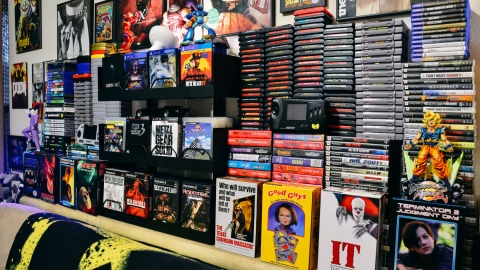
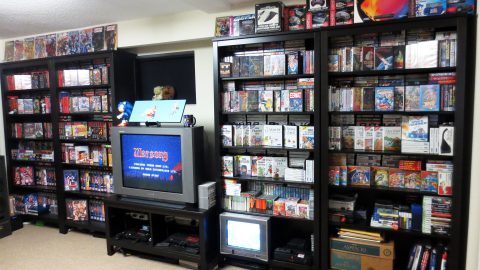
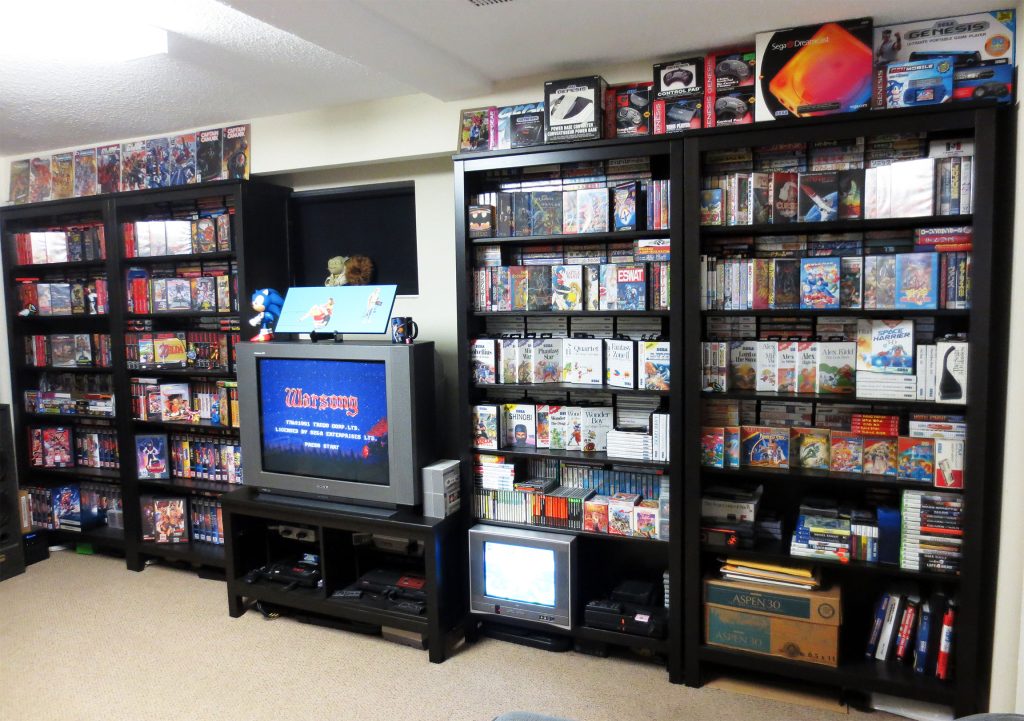
Open shelving remains one of the most popular ways to display retro games. It allows easy access and creates an immediate visual impact. Rows of colorful spines or cartridge labels instantly communicate the scale and focus of a collection.
Spacing matters more than shelf count. Overcrowding makes everything feel smaller and harder to appreciate. Leaving some breathing room between sections helps individual items stand out and reduces accidental damage during handling.
Mixing Games With Hardware Displays
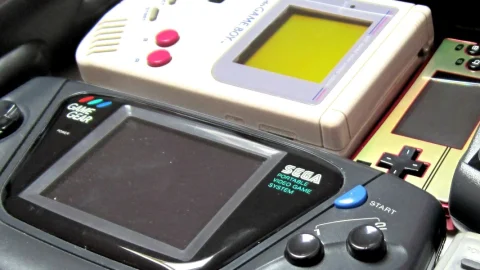
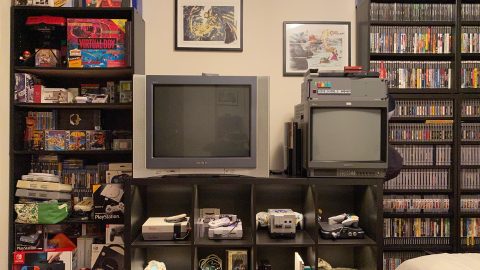
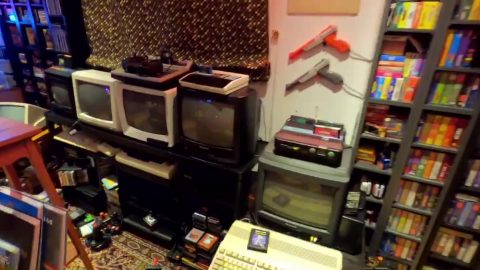
Combining games and consoles in the same display adds depth and variety. A shelf that includes both cartridges and the hardware that plays them tells a more complete story. Consoles break up uniform rows and add visual anchors.
I like placing consoles slightly recessed or elevated to avoid accidental bumps. Controllers can be displayed neatly beside them, either on hooks or stands. This approach highlights functionality rather than treating hardware as background clutter.
Using Display Cases for Special Pieces
Glass display cases work well for rare, fragile, or sentimental items. They offer protection from dust and curious hands while keeping items visible. These cases naturally draw attention, making them ideal for standout pieces.
I reserve display cases for boxed games, limited editions, or items with personal history. Rotating contents occasionally keeps the display fresh and prevents certain items from being overexposed to light. The goal is emphasis, not isolation.
Wall-Mounted Displays and Floating Shelves
Wall-mounted shelves free up floor space and create a gallery-like feel. Floating shelves, in particular, keep the focus on the items rather than the furniture. They work well for smaller collections or themed groupings.
I avoid overloading wall shelves, especially with heavier items. A clean, minimal approach looks better and feels safer. Wall displays shine when used selectively rather than as the main storage solution.
Highlighting Box Art as Visual Design
Box art is one of the strongest visual elements in retro gaming. Using it intentionally can transform a room. Front-facing displays allow artwork to function like framed prints.
I rotate box art displays periodically to keep the room feeling dynamic. This also spreads light exposure more evenly across items. Treating box art as decor elevates the collection beyond simple storage.
Cartridge Displays That Celebrate Function
Loose cartridges often get overlooked in display planning. With the right setup, they can look striking rather than messy. Cartridge racks or custom shelves emphasize their industrial design and labels.
Vertical orientation usually works best. It keeps labels readable and reduces wear. Grouping cartridges by system or color creates visual rhythm without requiring perfect uniformity.
Themed Sections Instead of Alphabetical Order
Alphabetical organization is practical, but it is not always visually interesting. Themed sections add personality and storytelling. Grouping by genre, era, developer, or personal significance creates conversation starters.
I enjoy dedicating shelves to specific franchises or memories. These sections feel curated rather than cataloged. The collection becomes expressive instead of purely functional.
Using Lighting to Enhance Without Damaging
Lighting can make or break a display. Soft, indirect lighting adds warmth and focus, while harsh light creates glare and long-term damage. The goal is visibility without exposure.
LED strips with adjustable brightness work well under shelves. I keep light levels modest and avoid direct beams hitting paper or plastic surfaces. Lighting should support the display, not dominate it.
Incorporating Seating and Play Areas
A display feels more alive when paired with a functional play space. Seating near the collection encourages interaction rather than passive viewing. The collection becomes part of an experience instead of a static exhibit.
I place frequently played systems within easy reach of seating. This setup reinforces the idea that games are meant to be used, not just admired. A collection that invites play stays relevant and joyful.
Displaying Manuals, Magazines, and Ephemera
Paper items add texture and context to a display. Manuals, magazines, and promotional materials deepen the historical feel of a collection. These items are often overlooked but visually rich.
I display paper items sparingly to avoid clutter. Framed pages or stands work well for showcasing covers or spreads. Rotating these items keeps them protected while adding variety.
Minimalist Displays for Smaller Spaces
Not every collection needs to fill a room. Minimalist displays work beautifully in apartments or shared spaces. Fewer items displayed thoughtfully often feel more intentional than large, crowded setups.
I focus on favorites rather than completeness in smaller spaces. Storage handles the rest. This approach reduces stress and keeps the display cohesive.
Rotating Displays to Keep Things Fresh
Permanent displays can become invisible over time. Rotating items refreshes interest and appreciation. It also reduces long-term exposure to light and dust.
I treat rotation as part of the hobby rather than a chore. Swapping items seasonally or thematically keeps the collection feeling new. It also encourages rediscovery of forgotten favorites.
Balancing Protection With Visibility
Every display involves compromise. Full protection often means less visibility, while open displays increase risk. Finding the right balance depends on priorities and environment.
I protect items that are rare or fragile and display sturdier pieces more openly. This layered approach keeps the collection safe without hiding its personality. Flexibility matters more than strict rules.
Avoiding Visual Noise and Overcrowding
Too much on display can dilute impact. Visual noise makes it harder to appreciate individual items. Negative space is just as important as filled shelves.
I step back and view the display as a whole rather than focusing on individual pieces. If everything competes for attention, nothing stands out. Editing is part of good display design.
Integrating Modern Furniture With Retro Items
Modern furniture can complement retro collections when chosen carefully. Clean lines and neutral colors allow colorful games to stand out. Mixing eras creates contrast rather than conflict.
I avoid furniture that mimics retro aesthetics too literally. Letting the games carry that identity feels more authentic. The result is a space that feels timeless rather than themed.
Displaying Without Showing Everything
Not everything needs to be visible. Storage plays an important role in maintaining a clean display. Hidden storage supports visible curation.
I separate display from storage mentally. Display shows what I want to live with daily, while storage holds the rest safely. This mindset reduces pressure to show everything at once.
Personal Touches That Add Character
Personal items give displays warmth. Photos, memorabilia, or custom art tie the collection to lived experience. These touches prevent the space from feeling sterile.
I include items that connect games to moments in my life. Those details make the display feel human rather than transactional. A collection should reflect a person, not just a market.
Final Thoughts
Displaying a retro game collection is an evolving process. What works now may change as the collection grows or life circumstances shift. Flexibility and patience matter more than perfection.
A good display balances pride, protection, and playfulness. It should invite curiosity and enjoyment without turning the collection into a fragile shrine. When done thoughtfully, a display becomes part of the hobby itself, adding meaning beyond ownership alone.