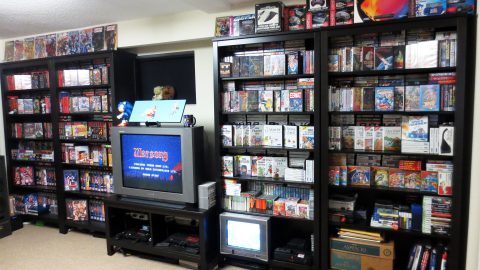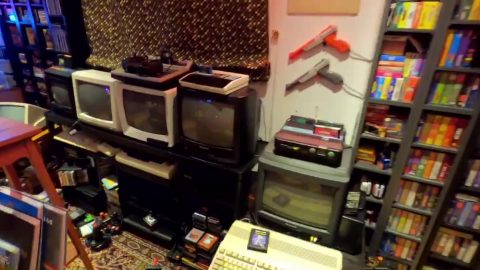

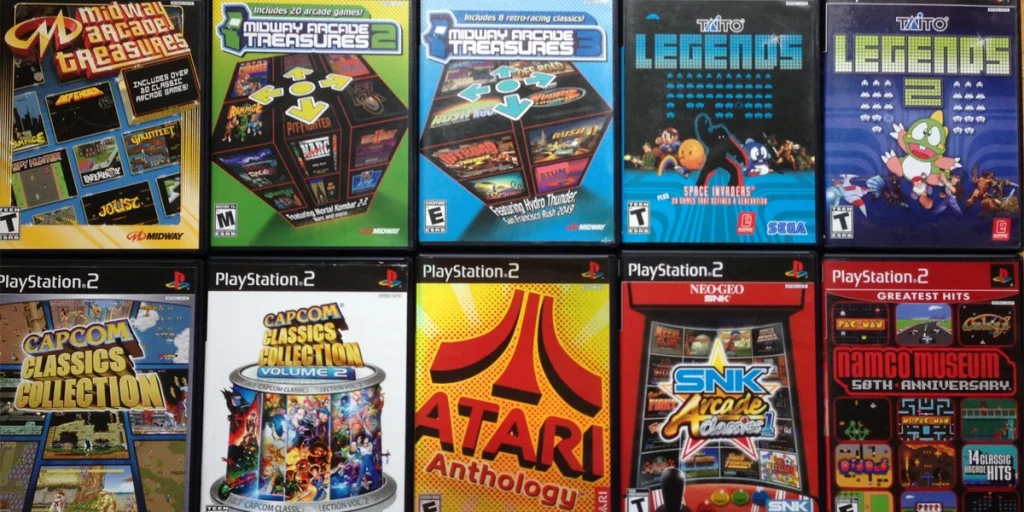
Jumping into retro game collecting feels exciting and overwhelming at the same time. Shelves of cartridges, stacks of discs, and endless online listings create the illusion that everything is available if you just move fast enough. That excitement can be dangerous, especially in the early days. I have watched many new collectors make the same mistakes repeatedly, not because they lack passion, but because they rush in without a plan.
Retro collecting rewards patience far more than enthusiasm alone. The hobby looks simple from the outside, but it hides layers of nuance around condition, pricing, authenticity, and long-term care. Early missteps are common, but many of them are avoidable. Recognizing these patterns early saves money, space, and frustration later on.
Buying Everything at Once
One of the most common mistakes is trying to build a full collection immediately. New collectors often feel pressure to catch up, as if years of missed time must be corrected in a single month. That mindset leads to impulse buying and shelves filled with games that never get played. The collection grows quickly, but satisfaction rarely follows.
Buying everything at once also makes it harder to learn. Each system and era has its own quirks, and rushing through them prevents familiarity from forming. Without that knowledge, it becomes easy to overpay or buy poor-condition copies. Slowing down allows experience to catch up with ambition.
A collection built too fast often feels unfocused. Instead of reflecting personal taste, it reflects availability. That disconnect eventually leads to selling off large portions just to regain control.
Ignoring Research and Market Trends
Skipping research is another costly mistake. Prices in retro gaming fluctuate constantly, and not all listings reflect real value. New collectors often assume that asking prices represent fair market value. That assumption leads to overpaying, especially for popular titles.
Research goes beyond pricing. Knowing common reproduction targets, regional differences, and condition standards changes how purchases are evaluated. Without that context, mistakes pile up quietly. Each one feels small until the total becomes impossible to ignore.
Market trends also matter. Some games spike temporarily due to hype or online exposure. Buying during those peaks often results in regret later. Patience and awareness protect against emotional spending.
Chasing Rarity Instead of Enjoyment
Rarity has a strong pull, especially for collectors who want impressive shelves. New collectors often prioritize rare or expensive titles before understanding whether those games actually matter to them. The result is a collection that looks impressive but feels disconnected. Ownership replaces enjoyment.
Rare games often come with high expectations. When the gameplay fails to live up to the price tag, disappointment follows. That gap between cost and enjoyment can sour the hobby quickly. It also creates pressure to justify the purchase rather than simply enjoy it.
A meaningful collection grows from personal interest, not perceived prestige. Games that resonate emotionally tend to hold value far longer than those bought for status alone.
Overlooking Condition Details
Condition is easy to underestimate early on. New collectors may focus on whether a game works and ignore cosmetic or structural issues. Those details become more important over time, especially if upgrades are planned. Ignoring them early often leads to double spending later.
Labels, shells, cases, and discs all age differently. Understanding acceptable wear versus problematic damage takes time. Without that knowledge, it is easy to accept flaws that later feel unacceptable. That realization often comes after prices have risen.
Condition also affects resale and trade value. Games with hidden issues become difficult to move later. Paying attention early preserves flexibility down the line.
Trusting Listings Without Question
Online listings can be misleading, intentionally or not. New collectors often assume sellers are honest and informed. That trust is understandable but risky. Vague descriptions and limited photos should always raise questions.
Failing to ask for additional information is a common error. Simple questions about authenticity, condition, or internals can reveal important details. Avoiding those questions out of discomfort puts the buyer at a disadvantage.
Sellers who resist transparency rarely have good reasons. Learning to walk away is a skill that takes time. Developing it early prevents regret.
Falling for Deals That Feel Too Good
Too-good-to-be-true deals are a classic trap. New collectors often feel lucky when they spot unusually low prices. That excitement can override caution. Unfortunately, those deals frequently involve reproductions, damaged items, or missing components.
Real bargains do exist, but they are rare and usually require trade-offs. Understanding typical price ranges helps identify realistic opportunities. Without that baseline, everything looks like a deal.
Rushing into suspicious bargains often leads to disappointment. Taking a moment to verify details protects both wallet and confidence.
Neglecting Storage and Care
Storage is rarely a priority at the start, but neglecting it causes long-term damage. New collectors often stack games improperly or expose them to heat and sunlight. That damage accumulates slowly and silently. By the time it becomes visible, it is often irreversible.
Boxes warp, labels fade, and discs degrade under poor conditions. Proper storage does not require expensive solutions, just awareness. Simple habits make a significant difference over years.
Care also includes regular inspection and cleaning. Ignoring maintenance increases the risk of failure. Treating games as both collectibles and functional items preserves their value and usability.
Ignoring Authenticity Risks
Authenticity becomes more important as collections grow. New collectors often assume that most items on the market are original. That assumption no longer holds true. Reproductions and fakes are widespread, especially for popular titles.
Failing to learn authentication basics exposes collectors to costly mistakes. Shells, labels, screws, and boards all tell stories. Ignoring those signs makes it easy to pay original prices for modern reproductions.
Learning authentication does not require expert-level knowledge. It requires curiosity and willingness to compare. That effort pays off quickly.
Letting Online Culture Dictate Choices
Social media influences collecting more than many realize. New collectors often feel pressure to match what they see online. Boxed collections, rare titles, and pristine shelves dominate feeds. That visibility creates unrealistic expectations.
Comparing collections steals joy. Everyone’s circumstances differ, including space, budget, and access. Measuring success against curated images leads to frustration. The hobby becomes performance rather than pleasure.
Stepping back from comparison restores clarity. A collection should reflect personal history and taste, not trends.
Skipping Gameplay Entirely
Some new collectors focus so heavily on acquisition that they forget to play the games. Shelves fill up while consoles stay unplugged. That disconnect slowly erodes the reason the hobby exists in the first place. Games are meant to be experienced.
Playing reveals which titles truly belong in the collection. Some games age poorly, while others shine brighter over time. Without playing them, those distinctions remain unknown. Ownership alone provides limited satisfaction.
Regular play also keeps hardware functional. Systems that sit unused often develop issues. Engagement keeps collections alive rather than static.
Overcommitting to Complete-In-Box Standards
Complete-in-box collecting appeals strongly to newcomers. It feels definitive and prestigious. The mistake lies in committing too early without understanding the cost and maintenance involved. Boxed collecting demands space, money, and constant vigilance.
Many collectors realize later that loose copies suit them better. Transitioning after heavy investment becomes difficult. That regret could be avoided by testing preferences first.
Starting flexible allows standards to evolve naturally. Locking into strict rules too early limits growth.
Failing to Set a Budget
Budgeting sounds restrictive, but ignoring it causes far more harm. New collectors often spend emotionally, driven by excitement rather than planning. That behavior leads to burnout or guilt. Neither supports a sustainable hobby.
A budget creates boundaries without killing fun. It encourages prioritization and patience. Knowing limits reduces anxiety and impulsive decisions.
Budgeting also prepares collectors for long-term involvement. Retro collecting is not a sprint. Treating it as a marathon changes spending behavior.
Buying Without Long-Term Goals
Collecting without goals leads to clutter. New collectors often buy whatever looks interesting in the moment. Over time, that randomness becomes overwhelming. The collection lacks identity.
Goals do not need to be rigid. They simply provide direction. Whether focused on a system, era, or genre, goals help guide decisions. They make saying no easier.
Without goals, selling becomes inevitable. That cycle wastes time and money. Intentional collecting avoids it.
Underestimating Time and Patience
Patience is one of the hardest skills to learn. New collectors often feel urgency, fearing that prices will rise or items will disappear. That fear drives rushed decisions. Ironically, it often leads to worse outcomes.
Waiting allows better copies and better prices to appear. The market constantly cycles. Missing one opportunity rarely means missing all opportunities.
Patience also builds confidence. Each careful purchase reinforces trust in personal judgment. That confidence becomes invaluable over time.
Final Thoughts
The biggest mistakes new retro collectors make rarely come from bad intentions. They come from excitement, pressure, and incomplete information. These mistakes are part of the learning curve, but many of them are avoidable with awareness and restraint. Slowing down changes everything.
A strong collection grows with experience, not speed. By focusing on enjoyment, research, and care, the hobby remains rewarding for the long term. Retro collecting works best when curiosity leads and impatience stays behind.