

Modern games impress me on a technical level, but I rarely think about them when I am away from the screen. The titles that linger in my mind are usually the simplest ones, built around a clear objective and a handful of mechanics. They may lack cinematic cutscenes and sprawling maps, yet they hold my attention in a way that many complex releases struggle to match. Simpler games often feel more fun because they cut straight to the experience instead of surrounding it with layers of distraction.
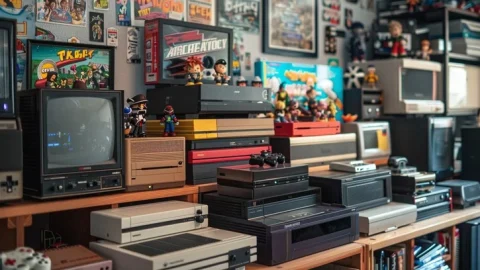
I notice this most clearly when I revisit older systems. A cartridge loads, a title screen appears, and within seconds I am playing. No lengthy tutorials, no mandatory updates, no skill trees demanding immediate decisions. The focus is immediate and pure, and that directness creates a sense of momentum that modern design sometimes forgets.
Instant Engagement Without Friction
Simple games respect my time. They present a goal and let me pursue it right away. The lack of friction between intention and action creates a rhythm that feels natural, almost instinctive.
Arcade-style titles exemplify this design philosophy. I press start, and I am already dodging obstacles or chasing a high score. There is no complex onboarding process to wade through. That immediate immersion generates excitement that builds with each passing second.
Complex games often require preparation before the real fun begins. I might need to manage inventory, adjust settings, or sit through extended exposition. While those layers can add depth, they also create barriers. Simpler games remove those barriers, and that removal makes the fun feel effortless.
Clear Goals, Clear Satisfaction
One reason simpler games often feel more fun is the clarity of their objectives. Rescue the princess, reach the end of the level, beat the high score. These goals are straightforward, and their simplicity sharpens my focus.
When objectives are clear, progress becomes tangible. I can see how far I have come and what remains. Each completed stage delivers a clean sense of accomplishment that does not require a checklist of sub-quests to validate it.
In more complex titles, goals can become diluted. Multiple quest lines, branching narratives, and layered systems sometimes blur the main purpose. Simpler games concentrate the experience into a single, satisfying arc, and that concentration intensifies the reward.
Mechanics That Fit in My Head
Simple games usually revolve around a few core mechanics that interlock perfectly. Jumping, shooting, dodging, timing. These actions become second nature within minutes, allowing me to focus on mastery instead of memorization.
Because the systems are easy to grasp, I enter a flow state more quickly. My hands react without hesitation, and my mind anticipates patterns instinctively. That seamless interaction between player and game is deeply satisfying.
In contrast, complex control schemes can create hesitation. I might pause to remember which button triggers a specific ability or navigate layered menus to optimize a character build. While depth has its place, simplicity often provides a smoother path to enjoyment.
The Joy of Mastery
Simple games frequently demand skill rather than strategy spreadsheets. Success depends on timing, precision, and pattern recognition. This emphasis on execution makes improvement feel personal.
Each failure teaches a clear lesson. I mistimed a jump or misread an enemy’s movement. The feedback loop is tight and transparent, allowing me to adjust immediately. Over time, I can feel myself getting better in measurable ways.
That steady progression fuels motivation. Simpler games often feel more fun because the path from novice to competent is visible and achievable. The growth feels earned rather than calculated through menu management.
Imagination Fills the Gaps
Limited graphics and minimal storytelling leave room for imagination. A few lines of text and a handful of sprites can suggest an entire universe. My mind does the heavy lifting, building depth where the hardware cannot.
This collaboration between game and player creates a personal connection. The world feels partly mine because I helped shape it in my head. That sense of ownership enhances emotional investment.
Highly detailed modern environments can be breathtaking, but they leave less space for interpretation. Everything is rendered explicitly. Simpler games, by contrast, invite me to participate in the creative process.
Short Sessions, Lasting Impact
Simple games often accommodate shorter play sessions. I can jump in for ten minutes and feel satisfied. That flexibility makes them easy to revisit again and again.
Despite their brevity, these sessions leave strong impressions. A single intense run can generate stories I replay in my mind later. The compact nature of the experience concentrates the excitement.
Long-form games demand extended commitment. If I only have a brief window of time, they may feel overwhelming. Simpler games respect those smaller windows, and that accessibility contributes to their enduring appeal.
Less Noise, More Focus
Modern releases frequently layer systems upon systems. Crafting mechanics intertwine with progression trees, which connect to online features and live-service updates. While impressive, this density can dilute focus.
Simpler games strip away excess. The screen is less cluttered, the objectives more direct, and the mechanics easier to track. This minimalism allows me to concentrate fully on the task at hand.
That focused design reduces cognitive overload. Instead of juggling multiple subsystems, I channel all my attention into the core challenge. The result is a purer form of engagement that often feels more rewarding.
Social Energy Around Simplicity
Simple games thrive in social settings. Their rules can be explained in seconds, making them ideal for friends gathered around a single screen. That immediacy fosters shared excitement.
Competitive titles built on straightforward mechanics generate intense moments. A narrow win or last-second comeback sparks genuine reactions. The accessibility ensures that everyone can participate, regardless of experience level.
Complex games sometimes create barriers in social contexts. If one player understands intricate systems and another does not, the gap can dampen enjoyment. Simpler games level the playing field and amplify collective fun.
Failure That Encourages Retry
Failure in simple games often feels less punishing. A lost life or missed jump sends me back only a short distance. The setback is clear and manageable.
Because the penalty is limited, I am more willing to try again immediately. The loop of attempt and retry becomes addictive in a positive way. Each run builds confidence and sharpens skill.
In contrast, lengthy reload times or heavy narrative consequences can discourage experimentation. Simpler games minimize downtime, maintaining momentum and sustaining excitement.
Timeless Design Principles
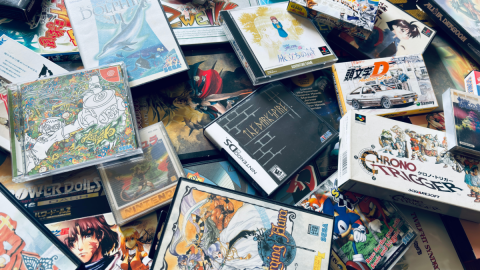
Many simple games rely on design principles that remain effective decades later. Tight controls, fair difficulty curves, and consistent feedback transcend technological eras. These fundamentals anchor the experience.
Revisiting older titles often reveals how carefully crafted they were. Developers had limited resources, so every mechanic needed to justify its existence. That constraint fostered precision and clarity.
Simpler games often feel more fun because they embody those timeless principles. They prioritize playability over spectacle, ensuring that the core experience stands strong even as graphics age.
Emotional Clarity
Simple narratives can carry surprising emotional weight. A basic premise provides enough context to invest in the journey without overwhelming it. The stakes are easy to grasp, which sharpens their impact.
I find that stripped-down storytelling allows moments to breathe. A final confrontation or triumphant victory resonates because it is not buried beneath layers of exposition. The emotional beats land cleanly.
Complex plots can be powerful, but they also risk losing focus. Simpler games deliver emotions in concentrated form, and that concentration often makes them more memorable.
Freedom From Endless Optimization
Modern games sometimes encourage constant optimization. Stats must be balanced, gear upgraded, and builds refined for peak efficiency. This process can be engaging, but it can also feel like work.
Simple games rarely demand that level of analysis. Success depends more on reflexes and intuition than on mathematical calculations. That freedom reduces pressure and increases spontaneity.
Without the need to micromanage, I can relax into the experience. The fun emerges naturally rather than through meticulous planning. That lightness is part of what makes simpler games often feel more fun.
The Comfort of Familiar Loops
Repetition in simple games creates comfort rather than boredom. Familiar patterns become reassuring, allowing me to settle into a steady rhythm. The predictability reduces anxiety and enhances enjoyment.
Each session reinforces muscle memory. I anticipate obstacles and respond smoothly. That familiarity builds confidence, which in turn makes the experience more satisfying.
Complex games frequently introduce new mechanics to maintain novelty. While variety has value, constant change can disrupt flow. Simpler games embrace repetition as a strength rather than a flaw.
Space for Pure Play
At their core, simple games emphasize play in its rawest form. They focus on movement, timing, and challenge without layering in excessive systems. That purity connects directly to the instinct to compete and explore.
I feel less like I am managing a digital life and more like I am participating in a focused activity. The boundaries are clear, and within them I am free to experiment. That clarity sharpens enjoyment.
Simpler games often feel more fun because they distill play down to its essence. They remind me why I fell in love with gaming in the first place.
Final Thoughts
Complex, expansive titles have their place, and I appreciate the ambition behind them. Yet time and again, I return to games that rely on straightforward mechanics and clear goals. Their simplicity strips away distraction and centers the experience on skill, imagination, and immediate feedback.
The fun in simpler games does not depend on photorealistic graphics or intricate systems. It grows from tight design, accessible challenges, and the satisfaction of mastery. Those elements create a loop that feels timeless and deeply engaging.
Simpler games often feel more fun because they trust the core of play. They invite me in quickly, challenge me fairly, and reward me clearly. In that direct exchange between player and game, I rediscover the joy that made gaming special in the first place.