
Retro gaming refuses to fade into the background. Decades after their release, old consoles still power on, cartridges still click into place, and pixelated heroes still run across glowing screens. I see it in online forums, in secondhand shops, in convention halls packed with fans who were not even born when these systems first launched. The past is not quietly collecting dust; it is actively being played, discussed, preserved, and celebrated.
The idea that retro gaming will eventually disappear ignores something fundamental about how we connect with art and memory. Games are not disposable gadgets tied only to hardware cycles. They are cultural artifacts, emotional anchors, and creative benchmarks that continue to influence new generations. I feel that truth each time I return to a classic title and realize it still holds my attention in ways many modern releases struggle to match.
Nostalgia That Grows Stronger With Time
Nostalgia is often dismissed as a sentimental weakness, but I see it as a powerful cultural force. The older I get, the more vividly I remember the feeling of sitting cross-legged in front of a small television, controller warm in my hands. That emotional imprint does not fade; it deepens. The music, the sound effects, even the startup screens carry layers of memory that no remake can fully replicate.
Retro gaming survives because those memories are shared across entire generations. People who grew up with the NES, the Sega Genesis, or the PlayStation now have the means to revisit and preserve those experiences. They introduce their children to the same games, not as relics, but as living pieces of their own history. Nostalgia, in this sense, becomes a bridge rather than a retreat.
At the same time, nostalgia alone cannot sustain a hobby for decades. The games themselves must still deliver meaningful experiences. I return to certain titles not only because they remind me of childhood, but because they remain genuinely fun, challenging, and thoughtfully designed.
Timeless Game Design
Many retro games were built around mechanics that remain solid today. Tight controls, clear objectives, and carefully crafted level design formed the backbone of countless classics. Without cinematic cutscenes or massive open worlds to lean on, developers focused on pure gameplay. That clarity gives older titles a durability that transcends hardware limitations.
I often notice how quickly a well-designed 16-bit platformer pulls me in. Within minutes, I understand the rules, feel the rhythm of movement, and start improving through repetition. The feedback loop is immediate and satisfying. Modern games sometimes bury that loop under tutorials, sprawling maps, and layered systems that take hours to fully reveal themselves.
Retro gaming will never die because strong mechanics do not expire. A perfectly tuned jump arc or a cleverly designed boss fight does not lose value simply because graphics evolve. The core principles of good design remain relevant, and many older games embody those principles with remarkable precision.
Physical Media And Tangible Ownership
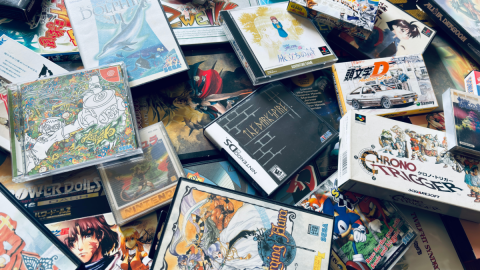
Holding a cartridge or disc adds a dimension that digital downloads cannot replicate. The weight of the plastic, the artwork on the cover, and even the slight wear from years of handling contribute to the experience. Physical media turns games into objects that occupy space in my home and in my life.
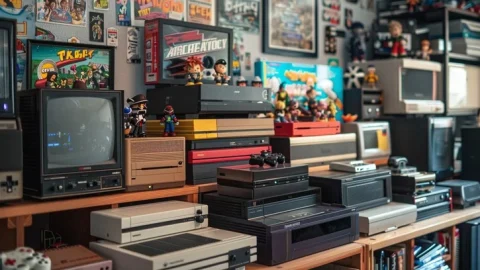
Collectors play a major role in sustaining retro gaming. They search for rare editions, preserve original packaging, and restore aging hardware. That dedication transforms gaming history into something curated and protected rather than forgotten. Each preserved console becomes a small act of resistance against obsolescence.
Digital storefronts can shut down, and licenses can expire. A cartridge sitting on a shelf does not rely on servers. That independence reinforces the idea that retro gaming is not entirely subject to corporate timelines. As long as the hardware functions, the game lives on.
Community And Shared Passion
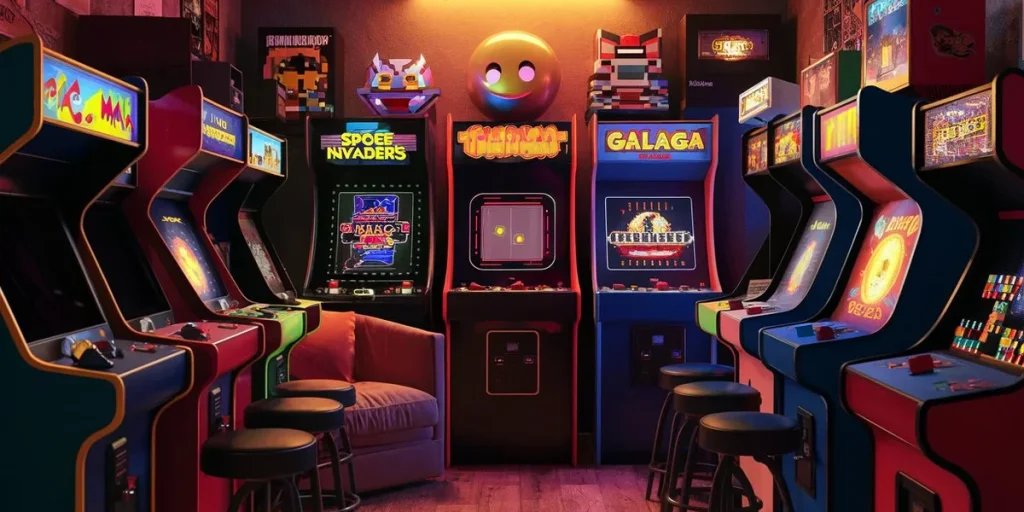
Retro gaming communities thrive both online and offline. I see discussions about speedrunning strategies for decades-old titles, debates about regional differences in releases, and passionate exchanges about the best version of a particular console. These conversations are not fading; they are expanding.
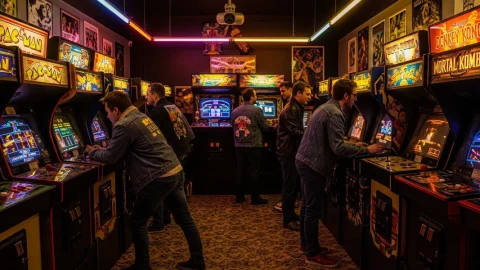
Conventions dedicated to classic games draw large crowds year after year. People trade cartridges, showcase custom modifications, and share stories about their favorite gaming memories. The energy in those spaces feels alive and forward-looking, not stuck in the past. Retro gaming becomes a common language that connects strangers instantly.
Online platforms amplify that connection. Streamers broadcast playthroughs of classic titles to audiences who may be experiencing them for the first time. Viewers comment in real time, sharing tips and reactions. Through these interactions, older games find new life and new fans.
Influence On Modern Developers
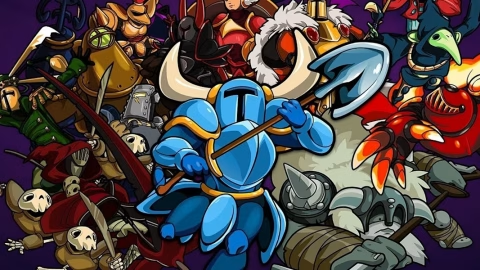
Contemporary developers frequently draw inspiration from older titles. Pixel art styles, chiptune soundtracks, and side-scrolling mechanics appear in modern indie releases with striking regularity. These creative choices are not accidental. They reflect admiration for the design philosophies that shaped early gaming.
I notice how many modern hits echo the structure of classic games. Tight platforming sequences, challenging boss battles, and minimalist storytelling often trace their lineage directly to the 8-bit and 16-bit eras. Retro gaming does not merely survive as a museum piece; it actively shapes the future of the medium.
This ongoing influence ensures that classic ideas remain visible and relevant. As long as new developers study and reinterpret the past, retro gaming continues to evolve rather than stagnate. The conversation between generations of creators keeps older styles embedded in contemporary culture.
Accessibility Through Emulation And Re-Releases
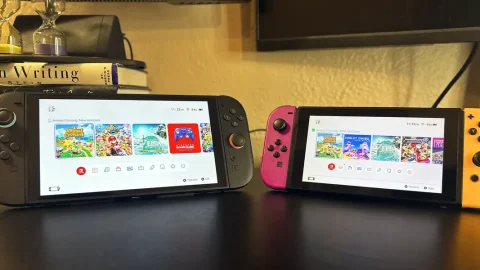
Technological advances have made it easier than ever to access classic games. Official re-releases, mini consoles, and digital collections introduce older libraries to new audiences. Emulation, despite its controversies, has also played a role in preserving titles that might otherwise have vanished.
I can now play games that were once locked to specific regions or rare hardware. That accessibility broadens the reach of retro gaming beyond original owners. Younger players discover classics without needing to track down aging consoles or expensive cartridges.
While debates about legality and preservation continue, the overall effect is clear. The barriers to entry have lowered, allowing retro gaming to spread rather than shrink. As access increases, so does appreciation.
Simplicity In A Complex Era
Modern games often demand significant time commitments. Massive open worlds, live service updates, and intricate progression systems can feel overwhelming. In contrast, many retro games offer straightforward objectives and immediate engagement. I can sit down for twenty minutes and experience a complete, satisfying session.
That simplicity feels refreshing in an era saturated with constant updates and notifications. Retro games rarely ask me to log in daily or complete seasonal challenges. They exist as complete experiences, ready whenever I am.
This contrast makes retro gaming appealing not only to those seeking nostalgia, but also to players craving focus. The stripped-down nature of older titles provides a kind of digital clarity that feels increasingly rare.
The Appeal Of Challenge
Difficulty in classic games often bordered on unforgiving. Limited lives, scarce checkpoints, and punishing enemy patterns demanded patience and persistence. While modern titles offer adjustable difficulty, many players actively seek out the raw challenge of older designs.
I find satisfaction in mastering a level that once seemed impossible. The absence of hand-holding forces me to improve through repetition and observation. Success feels earned rather than granted.
That appetite for challenge ensures retro gaming retains relevance. As long as players value skill-based progression and tangible improvement, classic games will maintain their appeal. The thrill of overcoming a tough stage does not diminish with age.
Cultural And Historical Significance
Video games have matured into a recognized art form, and retro titles represent foundational chapters of that history. Early experiments in storytelling, mechanics, and world-building laid the groundwork for everything that followed. Ignoring them would be like studying cinema without watching silent films.
I see retro gaming as a form of cultural preservation. Playing these titles connects me to the technological and creative limitations developers once faced. It highlights how innovation often thrives under constraint.
Museums, academic programs, and preservation groups increasingly treat classic games as historical artifacts. This institutional recognition reinforces their importance. Retro gaming persists not only because fans love it, but because culture acknowledges its value.
Generational Renewal
One reason retro gaming will never die is that new players continually discover it. Children introduced to pixel art and simple mechanics do not automatically reject them as outdated. Many embrace the style as charming and distinct.
I have watched younger gamers fall in love with titles released decades before they were born. They approach these games without preconceived notions about graphical limitations. For them, the experience feels fresh rather than old.
This generational renewal keeps retro gaming alive. As long as curiosity drives players to explore the roots of the medium, classic games will find audiences. The cycle repeats, and the past becomes part of the present once again.
Emotional Permanence
Certain games embed themselves deeply into personal identity. The music from a favorite title can instantly transport me to a specific moment in time. The layout of a familiar level feels etched into memory with surprising clarity.
That emotional permanence cannot be erased by technological progress. Even if hardware fails, the impact remains. Retro gaming survives in recollections, conversations, and shared stories that transcend physical media.
Emotion is a powerful preservative. As long as players carry these memories, they will seek ways to relive and share them. That desire fuels preservation efforts and community engagement alike.
Final Thoughts
Retro gaming will never die because it is more than a trend tied to aging hardware. It represents timeless design, shared memory, cultural history, and ongoing creative influence. I return to classic titles not out of obligation, but because they still offer experiences that feel immediate and meaningful.
The industry will continue to evolve, introducing new technologies and new ways to play. Yet the foundations laid by early developers remain visible in almost every modern release. As long as players value challenge, craftsmanship, and connection, retro gaming will endure.
I see it not as a fading chapter, but as a living thread woven through the entire history of the medium. Old consoles may age, but the experiences they deliver continue to resonate. That resonance ensures that retro gaming remains alive, relevant, and impossible to erase.