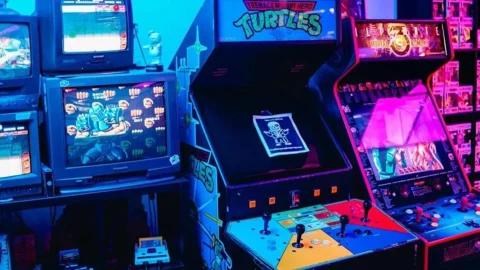


Retro gaming is no longer a quiet hobby tucked away in basements and spare rooms. It has grown into a full-blown cultural movement that spans generations, continents, and platforms. What was once dismissed as nostalgia has transformed into a serious market, a thriving online community, and a creative force that continues to influence modern game design. I have watched this shift happen in real time, and it still surprises me how quickly the landscape has evolved.
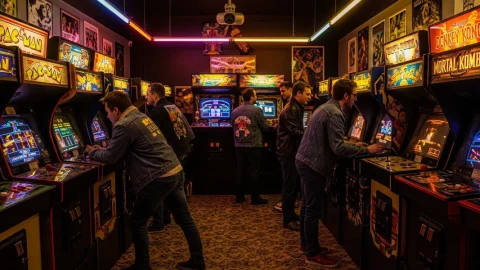
Collectors, casual players, content creators, and even major publishers have all played a role in pushing retro gaming into the mainstream. Prices for certain titles have skyrocketed, conventions are packed with fans hunting for cartridges, and younger gamers are discovering 8-bit and 16-bit classics with the same excitement many of us felt decades ago. The energy around retro gaming feels different now. It feels permanent.
Nostalgia Has Grown Into Cultural Power
Nostalgia is often blamed as the main driver behind retro gaming’s rise, but that explanation barely scratches the surface. Of course, memories of childhood afternoons spent with an NES controller or late-night PlayStation sessions still matter. Those emotional connections are strong, and they create loyalty that modern releases sometimes struggle to replicate.
However, nostalgia has matured into something much more powerful. Many of us who grew up with these systems are now adults with disposable income. We are not just replaying old favorites; we are curating collections, restoring consoles, and introducing these games to our own families. The emotional attachment has turned into action, and that action fuels the market.
Even more interesting is the way younger players are embracing retro gaming without any personal nostalgia attached. They are not chasing childhood memories. They are chasing authenticity, challenge, and a style of design that feels refreshingly different from today’s cinematic, hyper-realistic titles. That generational crossover has expanded the audience far beyond what anyone predicted.
Simplicity Feels Refreshing In A Complicated Era
Modern gaming can be overwhelming. Massive open worlds, constant updates, battle passes, microtransactions, and online requirements have changed the rhythm of play. While many players enjoy that depth and scale, others crave something more focused and immediate.
Retro games often deliver exactly that. You plug in the cartridge, power on the system, and start playing within seconds. There are no downloads, no patches, and no lengthy tutorials guiding every step. The mechanics are straightforward, but the challenge is real. Success comes from skill, repetition, and persistence rather than grinding for unlocks.
That simplicity does not mean the games lack depth. On the contrary, many classic titles hide surprising complexity beneath their minimal interfaces. The difference is that the depth reveals itself through play rather than exposition. That design philosophy feels refreshing today, and it explains why so many players are gravitating back to older systems.
Physical Media Feels More Meaningful
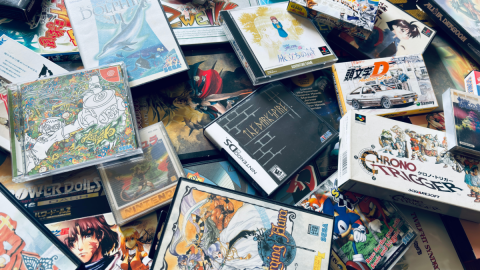
Owning a physical cartridge or disc carries a different weight compared to downloading a digital file. I can hold a Super Nintendo game in my hand and feel like I own a tangible piece of history. The box art, manuals, and even the wear on the plastic tell a story that digital storefronts cannot replicate.
As gaming becomes increasingly digital, retro gaming stands out because it offers something concrete. Physical collections create a sense of permanence in a world where licenses can expire and servers can shut down. When I slide a cartridge into a console, I know that experience is not dependent on an internet connection or a company’s ongoing support.
Collectors have recognized this value, which is one reason prices have climbed so dramatically. Rare titles are treated almost like art pieces, and sealed copies can command astonishing sums. While speculation has played a role in driving up prices, the underlying demand reflects a genuine desire to preserve gaming history in physical form.
Modern Developers Are Inspired By The Past
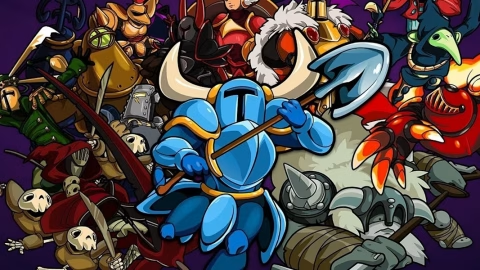
One of the clearest signs that retro gaming is bigger than ever is the way it influences modern game design. Indie developers frequently draw inspiration from 8-bit and 16-bit aesthetics, crafting pixel art experiences that echo classics from the NES, Genesis, and early PC era. These games are not simple imitations. They are reinterpretations that blend old-school visuals with modern mechanics.
I see this influence everywhere, from side-scrolling platformers to top-down RPGs. Developers are rediscovering the strengths of limited palettes, tight level design, and focused gameplay loops. Players respond positively because these games respect their time while still offering meaningful challenges.
Major publishers have also taken notice. Remasters, remakes, and classic collections are released regularly, often topping sales charts. Companies understand that their back catalogs are valuable assets, and they are investing heavily in preserving and repackaging them for new audiences. That corporate support further solidifies retro gaming’s place in the industry.
The Rise Of Content Creators And Online Communities
Streaming platforms and video-sharing sites have played a massive role in the resurgence of retro gaming. Watching someone conquer a notoriously difficult NES title or complete a speedrun of a beloved RPG creates excitement that spreads quickly. Viewers who may have never touched a cartridge before suddenly become curious.
Online communities amplify that curiosity. Forums, social media groups, and dedicated websites allow collectors and players to share tips, restoration advice, and stories about their favorite finds. I have seen entire friendships form over discussions about obscure imports or hidden mechanics in forgotten titles.
These communities make retro gaming feel alive rather than archival. It is not just about preserving the past; it is about actively engaging with it. When thousands of people tune in to watch a live speedrun of a 30-year-old game, it becomes clear that these experiences still resonate deeply.
Hardware Restoration And Modding Culture
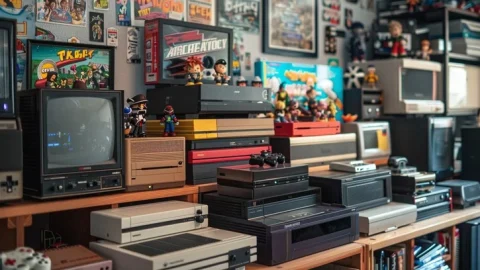
Another reason retro gaming continues to grow is the expanding world of hardware restoration and modification. Old consoles require maintenance, and that need has sparked a cottage industry of repair specialists, modders, and parts suppliers. Instead of discarding aging systems, enthusiasts are breathing new life into them.
Upgraded screens for handheld consoles, HDMI output mods for classic systems, and custom shells have transformed how these devices look and perform. I find it fascinating that technology designed decades ago can be modernized in ways its original creators never imagined. This blend of preservation and innovation keeps the hobby dynamic.
The act of restoring a console adds another layer of connection. It is not just about playing the games. It is about understanding the hardware, appreciating the engineering, and ensuring these machines continue to function for years to come. That hands-on aspect appeals to people who enjoy tinkering as much as gaming.
Scarcity And The Collector Mindset
Scarcity has undeniably fueled interest in retro gaming. Limited print runs, regional exclusives, and discontinued hardware create a sense of urgency among collectors. When supply is finite and demand is rising, attention follows naturally.
I have experienced the thrill of hunting for a specific title and finally finding it after months of searching. That chase adds excitement that digital marketplaces cannot replicate. It transforms gaming into a treasure hunt, blending nostalgia with strategy and patience.
At the same time, rising prices have sparked debates within the community. Some worry that speculation is pushing genuine fans out of the market. Others argue that increased value reflects long-overdue recognition of gaming as a legitimate collectible medium. Regardless of perspective, the financial aspect has undeniably drawn more eyes to retro gaming.
Preservation Efforts And Gaming History
Retro gaming is not just about personal enjoyment. It is also about preservation. Video games are a relatively young art form, and many early titles risk being lost due to hardware failure, copyright issues, or neglect. Enthusiasts, archivists, and organizations are working to document and protect these works.
Emulation, while controversial in certain contexts, has played a role in ensuring older games remain accessible. Academic institutions and museums have begun treating games as cultural artifacts worthy of study and exhibition. That shift in perception elevates retro gaming beyond hobby status.
I appreciate seeing games from the 1980s and 1990s discussed alongside films, books, and music as meaningful pieces of creative history. This recognition validates the passion many of us have felt for years. It also attracts newcomers who view retro gaming as a way to explore the roots of a medium they love.
Accessibility Through Modern Technology
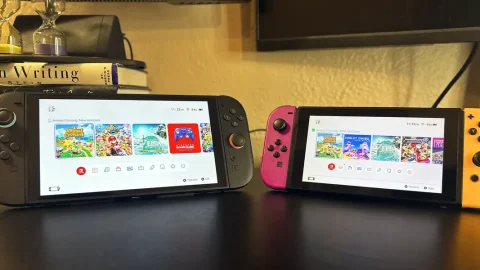
Ironically, modern technology has made retro gaming more accessible than ever. Mini consoles, digital storefronts, and subscription services offer curated libraries of classic titles at affordable prices. While purists may prefer original hardware, these options lower the barrier to entry.
Younger players can experience iconic games without hunting for rare cartridges or maintaining aging systems. That accessibility expands the audience and introduces more people to retro design philosophies. Some will eventually transition into collecting original hardware, while others will remain content with digital versions.
Either way, exposure matters. The more people experience classic games, the stronger the community becomes. Accessibility ensures that retro gaming does not fade into obscurity but instead continues to evolve alongside modern trends.
A Reaction To Industry Fatigue
The gaming industry has faced criticism in recent years for aggressive monetization strategies and unfinished releases. Players have grown wary of pre-orders, live-service promises, and content locked behind paywalls. In that environment, retro gaming offers a form of escape.
Classic games feel complete. They were shipped as finished products, and while they had limitations, they rarely relied on post-launch fixes. That sense of finality appeals to players who are tired of ongoing updates and seasonal content models.
I often return to older titles when I want a focused, self-contained experience. The rules are clear, the objectives are defined, and the game does not demand daily engagement. That contrast highlights why retro gaming continues to gain traction as a counterbalance to modern industry practices.
Intergenerational Connection
One of the most rewarding aspects of retro gaming’s growth is the way it connects generations. Parents share their favorite childhood games with their children, creating shared experiences that transcend age gaps. A simple two-player session on a classic console can bridge decades.
These moments reinforce the idea that great design is timeless. Pixelated graphics do not diminish the excitement of a well-crafted level or a memorable soundtrack. I have seen younger players become genuinely invested in games that predate them by decades, proving that quality endures.
That intergenerational appeal strengthens retro gaming’s future. It is not confined to one era or one group. It is passed down, rediscovered, and reinterpreted by each new wave of players.
The Future Of Retro Gaming
Retro gaming’s current popularity does not feel like a passing trend. The infrastructure supporting it is stronger than ever, from dedicated conventions to specialized retailers and online marketplaces. Interest continues to expand rather than plateau.
I believe the future will involve an even deeper blend of preservation and innovation. More remakes will emerge, more indie developers will draw inspiration from classic eras, and restoration technology will improve. At the same time, collectors will continue to seek original hardware and rare titles, preserving the authenticity that makes the hobby so compelling.
Retro gaming is bigger than ever because it satisfies multiple desires at once. It offers nostalgia, challenge, history, community, and tangible ownership. It pushes back against certain modern frustrations while still benefiting from modern connectivity. That combination creates a resilience that few trends can match.
The cartridges and discs sitting on my shelves are not just relics of the past. They are active reminders that great gameplay never truly goes out of style. As long as players continue to value craftsmanship, creativity, and connection, retro gaming will remain a powerful force in the industry.
Final Thoughts
Retro gaming has evolved from a niche pastime into a global phenomenon that influences how games are played, collected, and created. Its growth is fueled by emotion, economics, design philosophy, and community engagement all at once. I see no signs of that momentum slowing down, especially as new generations continue to discover the magic hidden in older systems.
The past is not being replayed out of obligation. It is being revisited because it still delivers something meaningful. That enduring relevance is the clearest reason why retro gaming is bigger than ever.