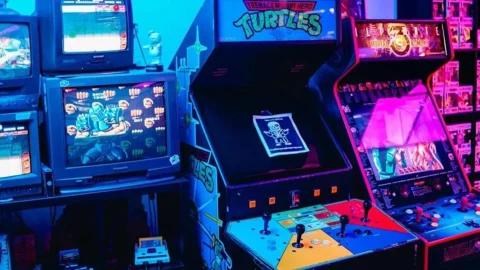


Pixel art refuses to fade quietly into history. Decades after the hardware limitations that birthed it disappeared, those tiny squares still dominate indie storefronts, inspire fan projects, and define entire genres. I can scroll through modern releases packed with ray tracing and photorealistic textures, yet a carefully animated sprite often captures my attention faster. Pixel art still resonates today because it speaks a visual language that feels both timeless and deeply personal.
The appeal goes beyond nostalgia, although nostalgia certainly plays a role. Pixel art carries a clarity and intentionality that stands out in an era of visual excess. Each pixel has to matter, and that constraint produces images that feel deliberate rather than bloated. In a medium that constantly pushes for more detail, pixel art thrives by doing less.
A Visual Style Born From Limitation
Early game developers did not adopt pixel art as an aesthetic preference. They worked within strict memory and processing limits, forcing them to communicate characters and worlds with minimal resolution. Out of that necessity came creativity.
Designers learned to suggest depth with a handful of colors and to imply motion through subtle animation loops. A few carefully placed pixels could define a facial expression or a dramatic pose. That efficiency still amazes me when I revisit classic titles.
Pixel art still resonates today because those constraints shaped a distinct artistic discipline. Modern artists who embrace the style do so intentionally, honoring the craft that grew from technical boundaries. The limitations that once restricted design now inspire it.
Imagination Fills the Missing Detail
High-definition graphics aim to show everything. Textures replicate fabric fibers, lighting mimics real-world physics, and character models strive for lifelike realism. Pixel art moves in the opposite direction by suggesting rather than displaying.
When I look at a pixelated landscape, my mind completes the image. Jagged edges become mountains, clusters of colored squares transform into bustling cities. That collaboration between artist and player creates a more intimate connection.
Pixel art still resonates today because it invites participation. Instead of overwhelming me with detail, it leaves space for imagination. The experience feels co-created rather than passively consumed.
Clarity in a Crowded Medium
Modern games often compete through visual complexity. Particle effects explode across the screen, interfaces layer information on top of gameplay, and environments stretch toward cinematic realism. Pixel art cuts through that noise.
Sprites are bold and readable. Silhouettes stand out against backgrounds designed for contrast. The simplicity sharpens focus on movement and interaction rather than spectacle.
I find that pixel art directs attention to gameplay itself. Animations become easier to track, and enemy patterns more recognizable. Pixel art still resonates today because it supports clarity instead of competing with it.
Emotional Weight in Small Spaces
Despite its minimalism, pixel art carries surprising emotional depth. A few frames of animation can convey fear, determination, or joy. The stylized nature of the medium allows exaggerated expressions that feel instantly recognizable.
I have felt genuine heartbreak watching a small sprite collapse after a narrative twist. The limited resolution does not diminish the impact. If anything, it amplifies it by focusing on essential gestures rather than minute detail.
Pixel art still resonates today because emotion does not depend on photorealism. Strong composition and thoughtful animation can evoke powerful responses regardless of resolution.
The Rhythm of Animation
Pixel art animation operates on a distinctive rhythm. Movements are often exaggerated and looped, creating a visual cadence that becomes part of the gameplay experience. A character’s run cycle or attack motion feels almost musical.
I notice how deliberate each frame must be. Adding or removing a single pixel can alter the entire feel of an animation. That precision creates a sense of craftsmanship that stands out.
Pixel art still resonates today because its animation emphasizes intentionality. Instead of relying on motion capture or complex rigs, it depends on an artist’s eye for timing and balance.
Nostalgia Without Stagnation
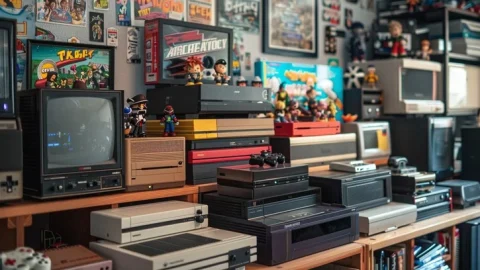
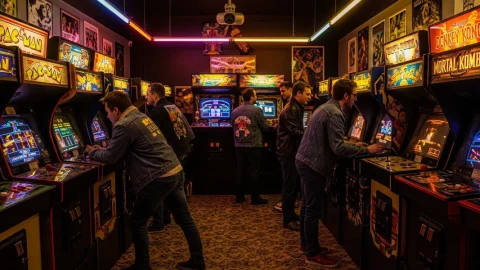
Nostalgia plays a role in the enduring appeal of pixel art, but it does not fully explain it. Retro-inspired visuals trigger memories of childhood afternoons and glowing CRT screens. Those associations carry warmth and familiarity.
At the same time, pixel art continues to evolve. Modern titles experiment with lighting effects, dynamic backgrounds, and hybrid techniques that blend old and new. The style adapts without losing its core identity.
Pixel art still resonates today because it bridges eras. It honors the past while embracing contemporary tools, creating a dialogue between generations of players.
Accessibility for Independent Creators
Developing hyper-realistic 3D assets requires significant resources. Large teams, advanced software, and substantial budgets often stand behind cutting-edge visuals. Pixel art lowers that barrier.
Independent creators can produce compelling worlds with limited tools and small teams. The focus shifts toward design and storytelling rather than raw graphical power. This accessibility fuels a vibrant indie scene.
I appreciate how pixel art empowers individual vision. It allows developers to express ideas without needing massive infrastructure. Pixel art still resonates today because it democratizes creativity.
Strong Silhouettes and Iconic Characters
Many of the most recognizable characters in gaming history emerged from pixel art. Their designs relied on clear silhouettes and bold color choices. Even with limited detail, they became instantly identifiable.
A well-crafted sprite can be recognized in a fraction of a second. That visual efficiency strengthens brand identity and player attachment. Simplicity often breeds memorability.
Pixel art still resonates today because it emphasizes iconic design. Clean shapes and focused palettes create characters that linger in memory long after the console powers down.
The Texture of Memory
For those who grew up during earlier gaming eras, pixel art carries a tactile quality. I can almost feel the plastic controller and hear the faint hum of old hardware when I see certain sprites. The visuals connect directly to sensory memory.
These associations deepen emotional engagement. A pixelated forest might remind me of specific moments in my life, not just in-game events. The art becomes intertwined with personal history.
Pixel art still resonates today because it functions as a visual time capsule. It preserves not only design principles but also lived experiences.
Aesthetic Consistency
Photorealistic graphics age quickly. What once seemed groundbreaking can look dated within a few years as technology advances. Pixel art operates outside that arms race.
Because it embraces abstraction, it does not aim to compete with real life. Its charm lies in stylization rather than accuracy. That choice grants it longevity.
I notice how older pixel art titles remain visually appealing decades later. Their style feels intentional rather than outdated. Pixel art still resonates today because it avoids direct comparison with reality.
Focus on Gameplay
Visual minimalism often shifts attention toward mechanics. Without overwhelming detail, I concentrate more on movement, strategy, and timing. The art supports the experience rather than overshadowing it.
This alignment between visuals and gameplay strengthens immersion. Instead of being distracted by graphical spectacle, I become absorbed in the challenge itself. The simplicity enhances engagement.
Pixel art still resonates today because it reinforces the core of gaming. It reminds me that interaction and design matter more than sheer visual fidelity.
Cultural and Artistic Influence
Pixel art has extended beyond games into broader digital culture. It appears in graphic design, fashion, and online communities. The aesthetic carries a recognizable identity that transcends its origins.
Artists reinterpret pixel techniques in new contexts, blending them with contemporary styles. This cross-pollination keeps the medium fresh and relevant. It evolves while retaining its foundational principles.
Pixel art still resonates today because it has become a cultural symbol. It represents a particular era of innovation and creativity that continues to inspire.
Craftsmanship in Constraint
Working within a grid demands discipline. Each pixel must justify its existence. Color palettes are often limited, forcing thoughtful decisions about contrast and shading.
I admire the patience required to refine sprites at such a granular level. Adjusting a single square can transform a character’s expression or posture. The process feels meticulous and deliberate.
Pixel art still resonates today because it showcases craftsmanship. It reveals the human touch behind the screen, emphasizing intention over automation.
The Future of a Classic Style
Pixel art shows no sign of disappearing. New generations of developers embrace it not out of necessity, but out of admiration. The style continues to find fresh interpretations and applications.
Technological advances allow for creative twists on traditional techniques. Dynamic lighting, parallax scrolling, and hybrid aesthetics expand the possibilities while preserving the core grid-based structure. The medium grows without losing its identity.
Pixel art still resonates today because it adapts. It evolves alongside technology while maintaining a visual language that feels authentic and grounded.
Final Thoughts
Pixel art endures because it offers something modern realism often cannot: intimacy. It invites imagination, prioritizes clarity, and celebrates intentional design. Those qualities give it staying power in an industry obsessed with graphical advancement.
The tiny squares that once defined technological limitation now symbolize artistic choice. They carry nostalgia, yes, but also innovation and resilience. Pixel art proves that visual impact does not depend on resolution alone.
I continue to gravitate toward pixelated worlds not out of habit, but out of genuine appreciation. The style reminds me that creativity flourishes under constraint and that beauty can emerge from simplicity. Pixel art still resonates today because it connects past and present through a shared language of color, form, and imagination.