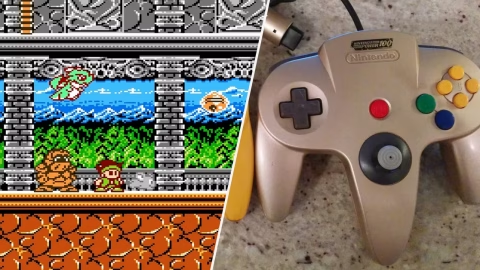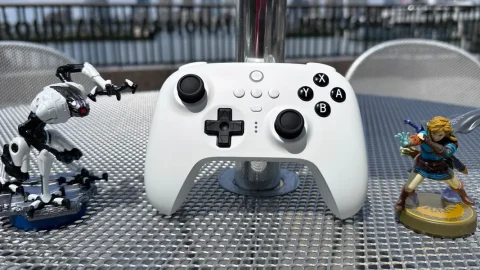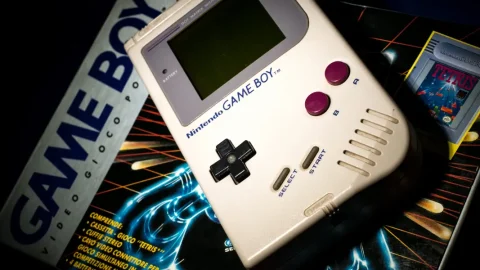

Original controllers are more than plastic shells with buttons and wires. They are physical extensions of the hardware and software that defined entire generations of gaming. While modern reproductions and wireless alternatives offer convenience, I keep returning to the original controllers because they deliver something that replicas rarely capture in full.
The way a controller rests in my hands influences how I experience a game. The tension of a D-pad, the height of a face button, and even the subtle texture of the plastic all contribute to muscle memory and performance. Original controllers still matter because they were designed in direct conversation with the games they were meant to control. That relationship cannot be perfectly recreated decades later.
Designed Alongside The Games
Original controllers were not developed in isolation. They were engineered in tandem with the consoles and games they supported. Developers built mechanics around the exact feel of those buttons and directional inputs.
When I play Super Mario Bros. with an original NES controller, the jumps feel calibrated to that specific D-pad resistance. The travel distance and tactile feedback align with the way Mario accelerates and lands. Substituting a different controller, even a high-quality one, subtly shifts timing.
That close alignment between hardware and software explains why original controllers still matter. They are part of the game’s design DNA, not just accessories attached afterward.
The Precision Of Authentic D-Pads
D-pads on original retro controllers often feel distinct from modern reproductions. The pivot point, membrane thickness, and plastic molding create a specific kind of response. That response becomes ingrained through repetition.
On the Super Nintendo controller, diagonal inputs roll smoothly without sticking. On the Sega Genesis six-button pad, quarter-circle motions feel tight and deliberate. Those characteristics are not accidental.
Modern replicas sometimes approximate these sensations, but small differences become noticeable during extended sessions. A slightly softer membrane or a fraction of extra wobble can alter how inputs register in demanding games.
Build Quality That Survived Decades
Many original controllers have lasted for thirty years or more. Their cables remain intact, their buttons spring back reliably, and their shells resist cracking. That durability speaks to manufacturing standards that prioritized longevity.
Opening an original controller reveals straightforward engineering. Thick circuit boards and sturdy contact pads reflect a design philosophy focused on reliability. Repairs are often possible with simple cleaning or replacement membranes.
Third-party alternatives may offer convenience, but they rarely match the confidence I feel when holding official hardware that has already proven its resilience over decades.
Muscle Memory And Familiar Weight
Weight distribution affects comfort more than most people realize. Original wired controllers often feel lighter and more evenly balanced than modern wireless versions with internal batteries. That difference influences how long I can play without fatigue.
My hands remember the contour of an original PlayStation controller. The symmetrical sticks sit at a specific angle, and the triggers require a certain amount of pressure. That familiarity reduces adjustment time and enhances immersion.
Switching to a replica sometimes feels slightly off, even if the design appears identical. The weight may shift subtly, or the plastic texture may feel smoother. Those minor changes accumulate over hours of gameplay.
The Sound And Tactile Feedback
Original controllers produce distinctive sounds. The click of an NES button or the subtle snap of a Sega Saturn D-pad contributes to the sensory experience. Those sounds provide feedback beyond the visual.
When I press a button and hear that familiar tone, it reinforces timing and rhythm. Retro games often rely on tight input windows, and tactile confirmation helps maintain consistency.
Modern controllers sometimes dampen these sounds for a quieter experience. While that can feel refined, it removes part of the original character. Authentic hardware preserves the full sensory package.
Emotional Connection And Authenticity
Playing retro games is partly about preservation and partly about emotion. Holding the same style of controller that players used decades ago creates a tangible link to history. That connection deepens my appreciation for the era.
The cable stretching from the console to my hands reinforces that physical bond. It reminds me that the hardware operates within clear mechanical limits. That limitation shapes how I engage with the game.
Authenticity is not only sentimental. It influences focus. With original controllers, distractions fade, and the experience feels cohesive rather than hybrid.
Latency And Direct Connection
Wired original controllers eliminate concerns about wireless interference or battery levels. Input travels directly from button to console without additional processing layers. That directness enhances trust.
Even though modern wireless technology has improved significantly, I find reassurance in a purely wired setup. During challenging platformers or fighting games, that certainty matters.
The absence of charging routines also simplifies sessions. I plug in and play without planning ahead. That reliability aligns with the straightforward design philosophy of older systems.
Compatibility And Hardware Integrity
Original controllers fit their consoles perfectly. The connectors align securely, and the hardware recognizes inputs instantly. There is no need for firmware updates or pairing procedures.
Using official hardware reduces the risk of compatibility issues. Certain games were optimized for specific input responses, and original controllers ensure that those expectations are met.
Adapters and converters can introduce slight variations in signal processing. While often minimal, these changes remind me that nothing replicates the seamless interaction of original components working together.
Preservation Of Gaming History
Retro gaming involves stewardship. Consoles, cartridges, and accessories form a complete ecosystem. Preserving original controllers contributes to maintaining that ecosystem intact.
Each controller represents a piece of industrial design history. The evolution from the rectangular NES pad to the ergonomic curves of the SNES controller reflects broader shifts in thinking about comfort and usability.
Holding original hardware allows me to study those transitions firsthand. It provides insight into how designers responded to player feedback and technological constraints.
Repairability And Longevity
Original controllers are often easier to repair than modern equivalents. Replacement membranes, buttons, and shells are widely available. Basic maintenance can restore responsiveness.
This repairability extends lifespan significantly. Instead of discarding a malfunctioning controller, I can open it, clean contacts, and replace worn parts. That sustainability aligns with the ethos of preservation.
Modern wireless controllers sometimes integrate sealed batteries or proprietary components. Repairs become more complex and less accessible, reducing long-term viability.
The Subtle Differences In Button Travel
Button travel distance varies between controllers. Original hardware often strikes a balance between softness and resistance that feels deliberate. That balance affects speed and comfort.
In fast-paced action games, consistent travel distance supports muscle memory. Pressing a button feels predictable and stable. Replicas may alter this slightly, even if unintentionally.
Those micro-differences become clear during long sessions. After hours of gameplay, consistency matters more than novelty. Original controllers maintain that steadiness.
Competitive Integrity
In competitive retro gaming communities, original controllers often remain the standard. Tournaments and speedrunning events frequently specify official hardware to ensure fairness.
Using original controllers minimizes variables. Participants know that everyone is working within the same physical constraints. That consistency preserves competitive integrity.
While high-quality third-party controllers exist, subtle performance differences can influence outcomes. Original hardware levels the field.
Personal Ritual And Routine
Part of why original controllers still matter lies in routine. Plugging in a classic pad, feeling the cable settle into place, and positioning myself near a CRT television form a familiar sequence.
These rituals ground the experience. They slow the pace and prepare me mentally for the session ahead. Accessories and modern alternatives can streamline the process, but they alter that rhythm.
The tactile act of connecting original hardware reinforces the idea that retro gaming is an intentional activity rather than background entertainment.
A Balance Between Old And New
Modern accessories and reproductions serve important roles. They extend accessibility and preserve aging original hardware from excessive wear. I appreciate their practicality.
Yet I return to original controllers because they anchor the experience in authenticity. They embody the design decisions of their era without reinterpretation.
Balancing convenience with preservation allows flexibility. Some days call for wireless comfort, but others demand the unmistakable feel of official hardware.
Final Thoughts
Original controllers still matter because they are inseparable from the games they were built to control. Their weight, responsiveness, and tactile feedback reflect deliberate design choices that shaped gameplay itself. While modern alternatives offer convenience and innovation, they cannot fully replicate the cohesive relationship between original hardware and software.
Holding an original controller connects me directly to gaming history. It reinforces muscle memory, preserves authenticity, and maintains competitive integrity. Retro gaming thrives on both nostalgia and precision, and original controllers continue to deliver both in a way that feels complete and grounded.