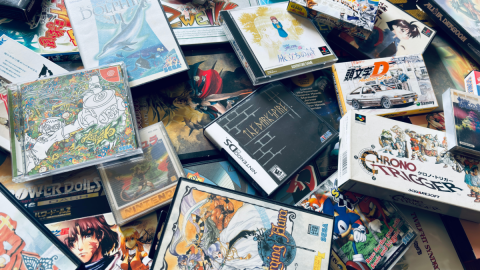


Old games refuse to fade quietly into the background. Their pixels, melodies, and mechanics continue to echo through modern releases in ways that feel deliberate rather than accidental. I see their fingerprints everywhere, from indie platformers with chunky sprites to sprawling RPGs that borrow structure and pacing from 16-bit classics. The past does not simply sit on a shelf in my collection; it actively shapes the present direction of game development.
Developers today have access to powerful engines, photorealistic graphics, and massive production budgets. Despite that technological abundance, many still look backward for guidance. The reason is not nostalgia alone. Old games distilled design into its purest form, and that clarity continues to offer lessons that feel surprisingly modern.
Simplicity That Sharpens Creativity
Older games were built under strict hardware limitations. Memory constraints, limited color palettes, and modest processing power forced developers to think creatively. They could not rely on visual spectacle to carry the experience, so gameplay had to stand strong on its own.
I admire how those constraints produced focused design. Mechanics were easy to grasp yet difficult to master. A few buttons and a simple objective could sustain hours of engagement because the underlying systems were refined to near perfection.
Modern developers often study those designs to recapture that sense of precision. Stripping away excess features can reveal the core of what makes a game compelling. Old games demonstrate that creativity flourishes within boundaries, and that lesson remains invaluable in an era where limitless options can sometimes dilute vision.
Mechanics Over Flash
Graphical fidelity dominates marketing today, but mechanics determine longevity. Many classic games succeeded because their controls felt responsive and fair. Tight platforming in a 2D side-scroller or balanced combat in a top-down adventure created a foundation that players trusted.
I still revisit certain titles not for their visuals but for how they feel in my hands. The rhythm of jumps, the timing of attacks, and the predictable enemy patterns create a satisfying flow. Developers recognize that this tactile feedback is essential, regardless of how advanced graphics become.
By examining older titles, new developers learn how to prioritize gameplay above all else. They see how elegant systems can sustain interest without relying on cinematic spectacle. That focus on mechanics ensures that inspiration from the past translates into meaningful improvements in the present.
Iconic Art Styles That Endure
Pixel art remains one of the most visible influences from retro gaming. What began as a technical necessity has evolved into a deliberate artistic choice. Developers embrace pixel aesthetics not because they lack resources, but because the style carries emotional and visual weight.
I find that pixel art invites imagination. Limited detail encourages players to fill in gaps, forging a deeper connection to characters and worlds. Modern indie hits often blend retro visuals with contemporary lighting and animation, proving that older styles can coexist with new technology.
This enduring appeal shows that art direction does not have to chase realism to be impactful. Old games demonstrated how cohesive visual identity could compensate for technical limits. That lesson empowers developers to craft distinctive aesthetics without competing in a race toward photorealism.
Storytelling Through Suggestion
Narrative techniques in older games were shaped by hardware restrictions. Text boxes were concise, and cutscenes were brief. Much of the story unfolded through environmental cues and player interpretation rather than lengthy dialogue.
I appreciate how that restraint fostered imagination. Sparse exposition left room for players to speculate about motivations and backstories. Worlds felt mysterious because they were not exhaustively explained.
Contemporary developers often revisit this approach. Instead of overwhelming players with exposition, they embed narrative within level design, music, and subtle details. Old games proved that suggestion can be more powerful than explicit explanation, and that philosophy continues to influence modern storytelling.
Risk Taking in Early Eras
The early decades of gaming felt experimental. Developers explored genres without established templates, testing ideas that might fail spectacularly or succeed beyond expectation. That willingness to take risks produced groundbreaking experiences.
I see echoes of that experimental spirit in modern indie scenes. Smaller teams, inspired by retro pioneers, push boundaries without the burden of massive corporate oversight. They experiment with unconventional mechanics and hybrid genres, much like early arcade and console creators once did.
Old games serve as reminders that innovation often begins with bold ideas rather than polished perfection. By studying those risks, new developers gain confidence to pursue unconventional concepts instead of strictly following market trends.
The Influence of Level Design
Level design in classic games often followed clear patterns. Difficulty escalated gradually, introducing new mechanics in controlled stages. Players learned by doing, absorbing lessons organically through play.
I still marvel at how certain platformers teach mechanics without explicit tutorials. A new hazard appears in a safe context before becoming more dangerous. This silent instruction feels elegant and respectful of the player’s intelligence.
Modern developers draw heavily from these structures. Carefully paced progression and intuitive design remain hallmarks of quality games. Old titles demonstrated how thoughtful level design could guide players naturally, a principle that remains relevant regardless of graphical complexity.
Music That Defines Identity
Chiptune soundtracks hold a special place in gaming history. Limited audio channels forced composers to craft memorable melodies that looped seamlessly. These tunes often became inseparable from the games themselves.
I can recall entire soundtracks from memory, even decades later. That melodic strength speaks to the craftsmanship required under technical limits. Developers today frequently collaborate with composers who emulate or reinterpret those classic sounds.
The influence extends beyond nostalgia. Strong musical themes reinforce emotional tone and brand identity. Old games showcased how impactful audio could elevate an experience, and modern developers continue to apply that insight.
Community and Shared Discovery
Before widespread internet access, players shared tips and secrets through word of mouth. Hidden levels and cryptic mechanics sparked playground debates and magazine speculation. That communal discovery created a sense of collective adventure.
I miss the mystery of uncovering secrets without instant online guides. That slower pace encouraged deeper exploration. Developers today sometimes design games with similar hidden layers, encouraging collaboration among players.
By revisiting older titles, creators observe how limited information amplified engagement. They see the value in mystery and community-driven discovery. This inspiration helps modern games foster social interaction beyond structured multiplayer modes.
Accessibility of Development Tools
Ironically, the simplicity of older games makes them more approachable for new developers. Recreating 2D mechanics or pixel art assets requires fewer resources than building hyper-realistic 3D environments. Many aspiring developers begin by studying retro frameworks because they feel attainable.
I have experimented with simple game engines myself, and the influence of classic designs becomes obvious. Tutorials often reference platformers or top-down adventures as starting points. These genres provide manageable templates that encourage experimentation.
Old games offer blueprints that remain practical. By dissecting their systems, developers gain insight into pacing, balance, and feedback loops. That accessibility ensures that retro inspiration continues to shape the next generation of creators.
Emotional Authenticity
Older games often carry emotional weight disproportionate to their technical complexity. Limited graphics did not prevent them from delivering powerful moments. Characters conveyed personality through minimal animation and carefully written dialogue.
I find that emotional authenticity arises from clarity of intent. Developers focused on specific themes or relationships, ensuring that even brief interactions resonated. That focus teaches modern creators to prioritize emotional coherence over sheer scale.
New developers study these examples to understand how subtle design choices can evoke strong reactions. They see that emotional impact does not require sprawling cinematics. Instead, it grows from consistent tone and meaningful player engagement.
Cycles of Nostalgia and Reinvention
Generational cycles play a role in sustaining retro inspiration. Developers who grew up with 8-bit and 16-bit systems now occupy creative leadership positions. Their formative experiences naturally influence their projects.
I notice this cycle repeating as consoles from the early 2000s gain retro status. Games inspired by those eras are beginning to appear, blending nostalgia with modern mechanics. Inspiration does not freeze in one period; it evolves as memories mature.
This cyclical pattern ensures that older games never truly disappear from creative consciousness. They reemerge in new forms, adapted to contemporary audiences while preserving core elements that once captivated players.
Technical Foundations That Still Apply
Game design fundamentals established decades ago remain relevant. Concepts like hit detection, collision physics, and input latency were refined in early eras. Developers had to ensure responsiveness because hardware limitations left little margin for error.
I appreciate how those technical constraints forced precision. Controls needed to feel immediate, or players would abandon the game. Modern developers, despite having more powerful tools, still grapple with the same core challenges.
Studying older titles reveals how foundational systems were implemented effectively. These technical lessons continue to inform best practices in contemporary development, proving that innovation builds upon established groundwork.
Balancing Innovation With Respect for the Past
Drawing inspiration from old games does not mean copying them outright. The most compelling modern projects reinterpret classic ideas through fresh perspectives. Developers blend retro mechanics with contemporary storytelling or quality-of-life improvements.
I enjoy seeing familiar elements presented in unexpected contexts. A side-scrolling structure might support a deeply emotional narrative, or pixel art might accompany sophisticated procedural generation. This balance between homage and originality keeps inspiration dynamic.
Old games provide a compass rather than a blueprint. They point toward enduring principles while leaving room for evolution. Developers who respect that balance produce works that feel both nostalgic and new.
Final Thoughts
Old games continue to inspire new developers because they represent distilled creativity. Their constraints fostered innovation, their mechanics emphasized clarity, and their artistry proved that impact does not depend on technical excess. I see their influence not as a backward glance, but as an ongoing dialogue between past and present.
The gaming industry evolves rapidly, yet foundational ideas remain constant. By studying older titles, developers gain insight into timeless principles that transcend hardware generations. Those lessons shape modern projects in subtle and profound ways.
Retro inspiration is not about retreating into nostalgia. It is about recognizing that the roots of gaming hold wisdom worth preserving. As long as developers seek authenticity, precision, and emotional resonance, old games will continue to light the path forward.