
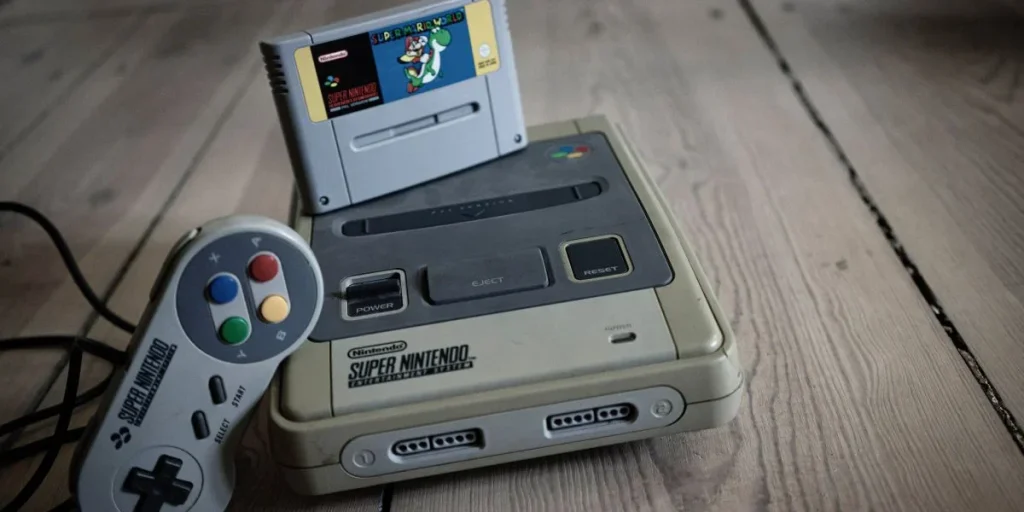
The Atari 2600 didn’t quietly enter the world of home entertainment. It arrived with the confidence of a machine that was about to change habits, routines, and expectations. Long before gaming became an industry with global launches and cinematic trailers, this console turned televisions into portals and living rooms into gathering spaces. Its story is one of ambition, explosive success, and a collapse so dramatic it reshaped the entire industry.
Looking back now, the Atari 2600 feels like both a beginning and a warning. It proved that home video games could thrive, but it also showed how quickly success can unravel when growth outpaces care. That combination of triumph and failure is exactly why the Atari 2600 still matters today.
A Bold Step Into the Living Room
Atari had already found success in arcades, but the idea of bringing that experience home was risky. The Atari 2600, originally known as the Atari Video Computer System, took that gamble seriously. Instead of building a console around one game, Atari designed a system that relied on interchangeable cartridges. That single decision laid the foundation for modern console gaming.
From my perspective, that cartridge slot was revolutionary. It meant the system could evolve without being replaced, and players weren’t locked into a single experience. Each new game felt like a fresh start, even though the hardware stayed the same. That flexibility made the Atari 2600 feel futuristic at a time when most electronics were static and disposable.
Early Success and a Growing Audience
Once the Atari 2600 gained traction, its growth was rapid. Games like Space Invaders and Asteroids brought recognizable arcade experiences into homes, and that familiarity drove sales. Families who had never considered gaming suddenly saw it as a shared activity rather than a niche hobby.
The console’s simple design helped widen its appeal. Controllers were easy to understand, games loaded instantly, and no technical knowledge was required. This accessibility turned casual curiosity into widespread adoption, and Atari quickly became synonymous with video games themselves.
The Power of Third-Party Developers
One of the most important shifts during the Atari 2600 era was the rise of third-party game development. Programmers realized they could create games independently of Atari and still profit from the platform’s popularity. This opened the floodgates for creativity, but it also introduced new risks.
I find this moment fascinating because it mirrors later industry developments. On one hand, it encouraged innovation and variety. On the other, it removed centralized quality control. Without strict oversight, the market became crowded with titles that varied wildly in quality, setting the stage for future problems.
Simplicity That Encouraged Imagination
The Atari 2600’s graphics were minimal, even by the standards of its time. Characters were often little more than blocks and lines, and environments relied heavily on abstraction. Instead of limiting engagement, this simplicity encouraged imagination.
Playing those games required filling in the gaps mentally. A few pixels became spaceships, heroes, or monsters depending on context. That mental participation created a unique connection between player and game, one that modern realism sometimes struggles to replicate.
Marketing Hype and Expanding Expectations
As sales climbed, Atari’s marketing grew bolder. The company promoted the 2600 as a must-have entertainment system rather than a novelty. Celebrity endorsements, aggressive advertising, and constant releases built excitement but also inflated expectations.
From where I stand, this was the moment when balance began to slip. The promise of endless fun became harder to fulfill as the library expanded. Each new cartridge carried the weight of hype, and not all of them could deliver meaningful experiences.
Quality Control Begins to Slip
The lack of strict standards became increasingly visible. With so many companies releasing games, shelves filled with rushed and poorly designed titles. Consumers had no reliable way to distinguish quality products from cash grabs before buying.
That erosion of trust mattered deeply. When players felt burned by bad purchases, enthusiasm turned into skepticism. The Atari 2600 was still popular, but the relationship between the platform and its audience was changing in subtle yet significant ways.
The Infamous Games That Symbolized Decline
Certain titles became symbols of everything that had gone wrong. Games developed under extreme deadlines, driven by marketing rather than design, damaged Atari’s reputation. These releases weren’t just bad games, they represented a broken process.
The most infamous examples overshadowed the many solid games that still existed. Public perception shifted quickly, and jokes replaced admiration. That shift showed how fragile success can be when it depends on consumer confidence.
Hardware Limits Exposed
The Atari 2600’s hardware was aging, and developers were pushing it beyond its intended limits. Clever programming tricks extended its lifespan, but those tricks couldn’t hide every flaw. Games became harder to optimize, and compromises were unavoidable.
I see this phase as a turning point where ambition clashed with reality. The system that once felt endlessly flexible began to show its age. Newer consoles on the horizon promised better visuals and smoother gameplay, making comparisons inevitable.
Oversaturation of the Market
By the early 1980s, the market was flooded with Atari 2600 games. Retailers struggled to manage inventory, and consumers felt overwhelmed by choices. Quantity replaced curation, and shelves became cluttered with unsold cartridges.
This oversaturation didn’t just hurt Atari, it destabilized the entire industry. Confidence in video games as a whole declined, and retailers became wary of stocking new titles. The rapid rise that once fueled excitement now accelerated the fall.
The Video Game Crash of 1983
The crash of 1983 marked the dramatic end of the Atari 2600’s dominance. Sales plummeted, companies closed, and the industry entered a period of uncertainty. The Atari 2600, once a symbol of innovation, became associated with excess and failure.
What stands out to me is how sudden the collapse felt. The same system that had defined home gaming was now blamed for its downfall. That reversal reshaped how companies approached development, marketing, and quality control in the years that followed.
Atari’s Struggle to Recover
After the crash, Atari attempted to regain its footing. Revised models of the 2600 were released at lower prices, and some quality games continued to appear. Despite these efforts, the momentum was gone.
The brand had been damaged, and competitors learned from Atari’s mistakes. New consoles would eventually rise, but they did so with stricter controls and clearer visions. The Atari 2600 lingered on store shelves, but its era as a leader had ended.
Legacy Beyond Its Failure
Focusing only on the Atari 2600’s collapse misses the larger picture. The system proved that home consoles could succeed on a massive scale. It introduced concepts that remain central to gaming, including cartridges, third-party development, and living room play.
Even its failures served a purpose. The lessons learned from the 2600 era shaped how future companies operated. Nintendo’s careful approach with the NES was a direct response to Atari’s unchecked expansion.
Cultural Impact That Still Lingers
The Atari 2600 left a lasting imprint on popular culture. Its games, sounds, and visuals remain instantly recognizable. References appear in movies, music, and art, often symbolizing the early days of digital entertainment.
That cultural presence matters because it preserves the system’s significance. The Atari 2600 isn’t remembered solely as a failed product, but as a pioneer that took risks others were afraid to take. That recognition keeps its story alive.
Personal Reflections on Its Importance
Thinking about the Atari 2600 always brings mixed feelings. There’s admiration for its ambition and creativity, paired with frustration over its mismanagement. That combination makes its story compelling rather than tragic.
I see the 2600 as a reminder that innovation requires responsibility. Success needs structure to sustain itself, and growth without oversight can undo even the strongest ideas. Those lessons extend far beyond gaming.
Influence on Modern Retro Appreciation
Retro gaming culture owes a great deal to the Atari 2600. Collectors, historians, and developers continue to study its library. Modern indie games often echo its simplicity and challenge, intentionally embracing limitations as creative tools.
The renewed interest in retro hardware has reframed the 2600’s legacy. Instead of focusing on its flaws, players now appreciate its role in shaping an entire medium. That shift highlights how time can soften criticism and deepen respect.
The Atari 2600 as a Cautionary Tale
Every industry needs cautionary tales, and the Atari 2600 fills that role perfectly. It shows how innovation can spark explosive growth, but also how neglecting quality can destroy trust. That balance remains relevant in today’s gaming landscape.
Modern platforms face similar pressures, even if the technology has changed. The story of the Atari 2600 offers perspective on why standards, curation, and long-term thinking matter. Its history continues to inform decisions decades later.
Final Thoughts
The rise and fall of the Atari 2600 is one of the most important chapters in gaming history. It introduced millions to home video games and laid the groundwork for everything that followed. At the same time, its collapse exposed the dangers of unchecked expansion and poor quality control.
That dual legacy is exactly why the Atari 2600 still deserves attention. It wasn’t just a console, it was an experiment that changed entertainment forever. Even now, its influence can be felt every time a game cartridge clicks into place or a new platform promises to change the world.