
Booting up a childhood game does more than pass the time. It pulls me into a version of myself that still believed secrets were hidden behind every waterfall and that beating a final boss was a life-defining achievement. The pixels may be rough around the edges now, but the emotions they carry feel sharper than ever. Childhood games are not just entertainment artifacts; they are emotional anchors that tie who I am today to who I was back then.
I notice it every time I hear a familiar startup chime or see a splash screen from a console that hasn’t been manufactured in decades. My body reacts before my mind does. My shoulders relax, my breathing slows, and for a few minutes the noise of adult responsibilities fades into the background. The emotional power of childhood games lies in that instant shift, the way they collapse time and rebuild it around memory.
Memory Etched in Pixels
The graphics of older games often get criticized for being primitive, yet those same limitations forced imagination to fill in the gaps. I did not see blocky characters; I saw heroes with detailed armor and expressive faces. My brain completed the picture, and in doing so, it embedded those worlds deeper into my memory. That collaboration between hardware and imagination made the experience personal.
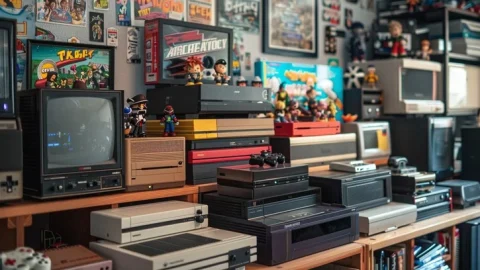
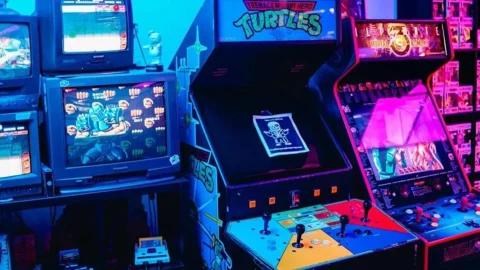
Revisiting those games today feels like opening a time capsule. I remember where I sat in the room, how the carpet felt beneath my legs, and the faint hum of a CRT television. Those sensory fragments fuse with the game itself. The emotional power of childhood games emerges not only from gameplay but from the environment in which those games were played.
Music plays an even bigger role than I once realized. A simple 8-bit melody can transport me faster than any photograph. The repetition of those themes during countless retries etched them into my memory, and now they function like emotional shortcuts. A few notes are enough to stir excitement, comfort, or even a strange sense of longing.
Safe Worlds in Uncertain Times
Childhood can be unpredictable. School pressures, social dynamics, and family changes all create stress that a young mind struggles to process. Games offered me a structured universe with clear rules and achievable goals. In those digital worlds, effort led to progress, and persistence was rewarded.
That sense of control mattered more than I knew at the time. If I failed, I could try again immediately. If I lost, the world did not collapse around me. The emotional power of childhood games partly comes from this reliability. They provided stability when other parts of life felt confusing or overwhelming.
Boss fights were intimidating, but they were fair. I could study patterns, refine strategies, and eventually overcome obstacles. That process taught resilience in a subtle way. It showed me that setbacks were temporary and that patience often led to victory, lessons that carried far beyond the screen.
Friendship Forged Through Controllers
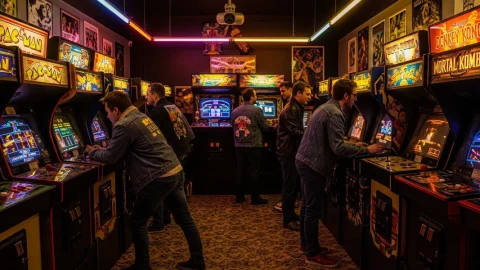
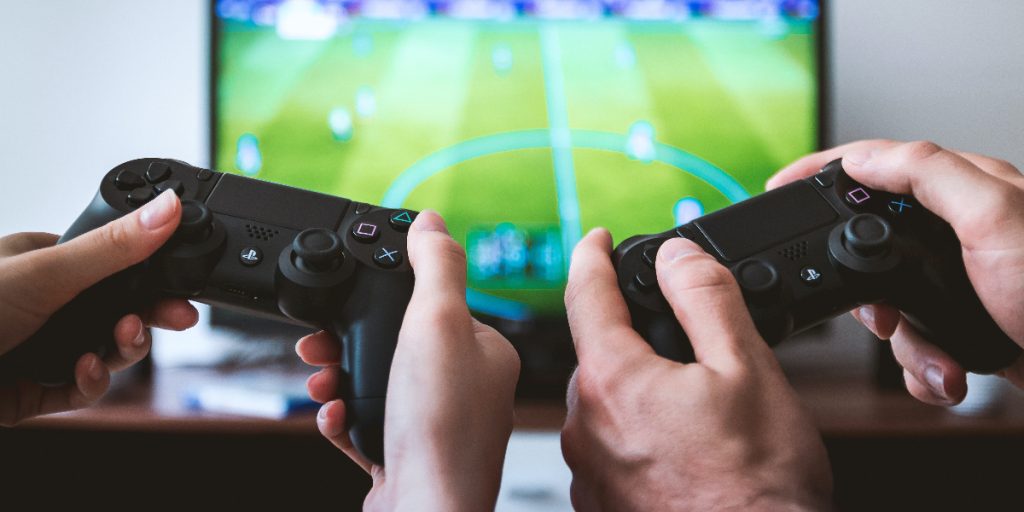
Some of my strongest memories revolve around shared screens. Passing a controller back and forth, arguing over whose turn it was, and celebrating a narrow win created bonds that lasted far beyond childhood. Multiplayer games turned living rooms into arenas of laughter and rivalry.
Those sessions were rarely quiet. We shouted instructions, blamed lag that did not exist, and cheered wildly at improbable comebacks. The emotional power of childhood games expanded when experienced together. Competition sharpened our reflexes, but cooperation strengthened our friendships.
Couch co-op had a physical closeness that online gaming cannot fully replicate. Sitting shoulder to shoulder, reacting in real time, and reading each other’s expressions made every victory communal. Even the defeats became stories we retold for years, complete with exaggerated details and inside jokes.
Identity and Imagination
Childhood games allowed me to experiment with identity in a safe environment. I could become a knight, a space pilot, or a creature collector with a team of loyal companions. These roles were more than costumes; they were frameworks for exploring courage, leadership, and curiosity.
Role-playing games in particular shaped how I saw myself. Dialogue choices, party dynamics, and moral decisions gave me space to test different paths. I discovered that I gravitated toward protective roles, often prioritizing the safety of in-game companions over raw power. Those tendencies reflected deeper aspects of my personality.
The emotional power of childhood games also comes from this exploration. They gave me narratives where I mattered. Even if the stakes were fictional, the feelings were real. Saving a village from destruction felt like a genuine accomplishment, and that sense of agency strengthened my confidence outside the game.
The Ritual of Play
Playing games as a child often involved ritual. I had a specific time of day when I could turn on the console, and that anticipation built excitement. The click of the power button and the brief flicker of the screen marked the beginning of a personal ceremony.
Cartridges sometimes needed a firm push to seat properly, and discs had to be handled with care. These small actions created tactile memories that are inseparable from the games themselves. The physicality of older systems deepened the emotional connection.
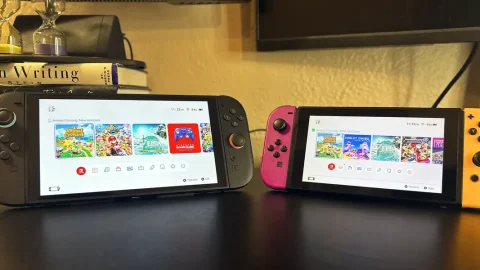
Now, in an era of instant downloads and cloud saves, I sometimes miss that ritual. Convenience has improved dramatically, but the friction of older hardware made each session feel earned. The emotional power of childhood games is tied to those rituals, the tiny steps that signaled entry into another world.
Soundtracks That Refuse to Fade
Few elements carry as much emotional weight as game music. Composers working within tight technical limits created melodies that were simple yet unforgettable. Those tracks looped endlessly, embedding themselves into the rhythm of my thoughts.
I can recall entire stages just by hearing a few bars of music. The tempo of a track often matched the tension of a level, reinforcing feelings of urgency or calm. Over time, those sounds became associated with specific emotional states.
The emotional power of childhood games intensifies when those soundtracks resurface years later. A remix or orchestral arrangement can bring tears to my eyes because it reconnects me to earlier moments of joy and struggle. Music bridges past and present with astonishing precision.
Loss, Growth, and Letting Go
Not every memory tied to childhood games is purely joyful. Some are tinged with loss. Consoles break, cartridges disappear, and friends move away. Certain games mark the end of an era, like the final summer before responsibilities multiplied.
Returning to those titles as an adult can feel bittersweet. I am reminded of how much has changed, both in gaming and in my own life. Yet that sadness is intertwined with gratitude. The emotional power of childhood games includes the ability to honor growth while acknowledging what has been left behind.
Finishing a game back then often felt monumental. Today, with countless options competing for attention, it is harder to replicate that singular focus. Revisiting old favorites reminds me of a time when my world felt smaller, and that smallness had its own kind of magic.
Why Nostalgia Feels So Intense
Nostalgia is sometimes dismissed as a weakness, but I see it as a testament to meaningful experiences. Childhood games are tied to formative years, which amplifies their impact. Emotions during that period tend to burn brighter and linger longer.
The brain links strong feelings with vivid memory. Triumph after defeating a seemingly impossible boss or relief after finding a hidden save point becomes etched into long-term storage. Years later, the smallest trigger can unlock those sensations.
The emotional power of childhood games is not merely about replaying old levels. It is about reconnecting with the emotional intensity of youth. That intensity may have mellowed with age, but it has not vanished. Games serve as portals that allow me to access it again.
Passing the Controller Forward
Sharing childhood favorites with a new generation brings another layer of emotion. Watching younger players react to mechanics that once amazed me creates a bridge between eras. Their curiosity mirrors my own from years ago.
Sometimes they laugh at outdated graphics or struggle with difficulty spikes that were once considered normal. Those reactions highlight how much gaming has evolved. Yet when they become immersed, I see the same spark that once captured me.
The emotional power of childhood games expands when passed on. They become stories rather than solitary memories. Explaining why a particular level mattered or why a character’s arc felt profound turns nostalgia into conversation.
A Lasting Emotional Blueprint
Childhood games helped shape how I handle challenges, relationships, and even creativity. The lessons were rarely explicit, yet they were persistent. Patience during grinding sessions translated into perseverance in real life. Teamwork in co-op adventures influenced how I approach collaboration.
I still draw inspiration from those early experiences. Creative projects feel less intimidating because I remember constructing entire worlds in my imagination while staring at pixelated landscapes. Those games taught me that limitations can fuel innovation.
The emotional power of childhood games lies in their lasting blueprint. They provided models for resilience, curiosity, and connection. Long after the consoles have been boxed away, their influence remains active in subtle but significant ways.
Returning Without Escaping
Revisiting childhood games is not about escaping adulthood. It is about reconnecting with a foundational layer of identity. I do not expect those games to solve present problems, but they offer perspective.
Sitting down with an old title reminds me that I have overcome obstacles before. The scale may be different now, but the underlying process remains familiar. Try, fail, adjust, and try again.
The emotional power of childhood games endures because it is woven into personal history. They are not relics gathering dust; they are emotional touchstones that continue to resonate. Each time I press start, I am not just launching software. I am reconnecting with the part of me that believed in secret levels, hidden treasures, and the possibility that persistence could unlock something extraordinary.
That belief still matters. It fuels creativity, resilience, and a sense of wonder that adulthood often tries to suppress. Childhood games remind me that joy can be simple, that challenges can be thrilling, and that memories built in front of a flickering screen can shape a lifetime.