
Third-party controllers have always lived in the shadow of official hardware. For years, they carried a reputation for cheap plastic, stiff buttons, and unreliable inputs. Yet buried among the knockoffs and budget options are some genuinely outstanding designs that not only rivaled first-party controllers but, in certain cases, surpassed them.
I have spent a lot of time testing original hardware alongside third-party alternatives across NES, SNES, Genesis, PlayStation, and Nintendo 64. Some were disappointing within minutes. Others surprised me so much that they became permanent fixtures in my setup. The best third-party retro controllers ever made earned their place through comfort, durability, and thoughtful improvements rather than flashy gimmicks.
ASCII Pad For The Super Nintendo
The ASCII Pad for the Super Nintendo stands out immediately because of its build quality. It feels dense and well-constructed, with plastic that does not creak or flex under pressure. The shape mirrors the official SNES controller closely but refines certain aspects in subtle ways.
The D-pad on the ASCII Pad is firm and precise. It has slightly more resistance than the original, which I actually prefer during long sessions of platformers and fighting games. That firmness makes directional inputs feel deliberate, especially during diagonal movements.
The face buttons are responsive and slightly taller than Nintendo’s originals. This creates a tactile difference that I grew to appreciate during extended play. Instead of feeling like a cheaper imitation, the ASCII Pad feels like a confident alternative built with serious players in mind.
Hori Fighting Commander For Multiple Systems
Hori has long been associated with quality third-party hardware, and the Fighting Commander line proves why. Originally released in various forms for consoles like the Super Nintendo and PlayStation, these controllers focused heavily on 2D performance.
The six-button layout is ideal for fighting games, but it also works beautifully for arcade-style platformers and shooters. The D-pad is often the highlight, offering a smooth rolling motion that supports complex inputs without feeling mushy.
What sets Hori apart is consistency. Their controllers rarely feel like compromises. Instead of copying official designs outright, they refine them with sharper input response and improved ergonomics tailored to competitive play.
Retro-Bit Sega Saturn Controller
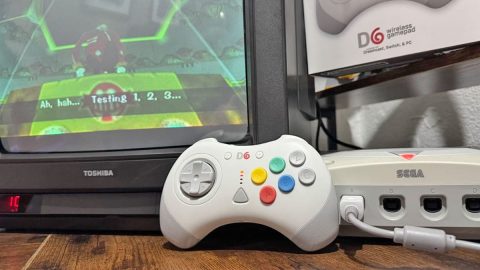
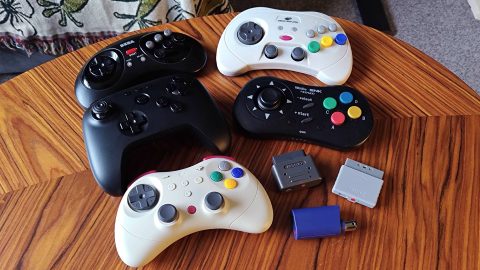
Retro-Bit’s officially licensed Sega Saturn controllers deserve serious attention. While technically modern reproductions, they function as third-party hardware and have become staples in many retro collections.
The shape faithfully recreates the beloved Japanese Saturn pad, but with modern materials and optional wireless versions. The D-pad retains that exceptional smoothness that made the original Saturn controller legendary for 2D games.
In my experience, Retro-Bit managed to strike a rare balance between authenticity and reliability. The buttons feel crisp, the shell is solid, and the overall build does not feel disposable. For Saturn fans who want dependable hardware without risking aging originals, this controller delivers.
Mad Catz Street Fighter Pads
Mad Catz has a mixed legacy in gaming hardware. Some of their early products earned criticism, but their Street Fighter-focused controllers for systems like the SNES and PlayStation gained genuine respect.
These pads typically expanded the face button layout to six buttons, making arcade-style games more comfortable at home. The spacing allowed my fingers to rest naturally without awkward stretching.
The D-pads on certain Mad Catz models were surprisingly excellent. They felt slightly firmer than first-party versions and handled quarter-circle inputs reliably. While not every Mad Catz controller was a winner, their fighting-oriented designs proved that third-party innovation could elevate gameplay.
InterAct Hammerhead FX For PlayStation
The InterAct Hammerhead FX for the original PlayStation remains one of the more distinctive third-party designs I have owned. Its slightly bulkier grips made it feel substantial without being unwieldy.
The analog sticks were responsive and well-centered, offering smooth control in 3D games. Compared to early official DualShock models, the Hammerhead sometimes felt more comfortable during long sessions.
Its build quality surprised me most. Buttons remained responsive after years of use, and the shell resisted the creaking that plagued many cheaper alternatives. It demonstrated that third-party manufacturers could compete directly with Sony’s own hardware.
Nyko Air Flo Controllers
Nyko’s Air Flo controllers gained attention for their built-in cooling fans, but the concept went beyond novelty. During long sessions, especially in warmer rooms, the airflow genuinely reduced sweaty palms.
Beyond the fan feature, the controller itself felt solid. The grips were ergonomic, and the button layout mirrored official designs closely enough to feel natural. It never felt like a gimmick in practice.
While the fan sound was noticeable, it was not distracting. For extended gaming sessions, particularly during intense multiplayer matches, the added comfort became a meaningful advantage.
Pelican Afterglow Series
The Pelican Afterglow controllers are often remembered for their transparent shells and internal lighting. Beneath the cosmetic appeal, some models offered surprisingly reliable performance.
The grips felt comfortable, and the weight distribution was balanced. Buttons responded quickly, and the D-pad performed better than expected for a controller marketed partly on visual flair.
Durability varied between models, but certain Afterglow units held up remarkably well over time. They demonstrated that aesthetic creativity did not have to come at the expense of functionality.
8BitDo Retro Controllers
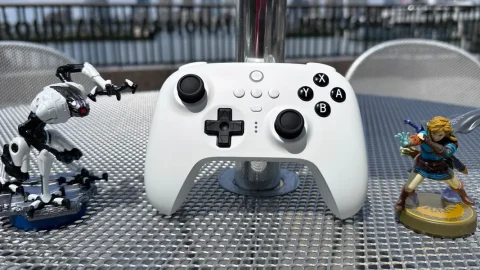
8BitDo occupies a unique space as a modern company producing retro-inspired controllers. While technically contemporary, their designs are clearly aimed at classic systems and aesthetics.
Their SN30 and similar models capture the feel of the Super Nintendo controller while adding wireless capability and compatibility across platforms. The D-pad performance is often excellent, rivaling original hardware.
What impresses me most about 8BitDo is refinement. Buttons feel tight and responsive, and firmware updates can enhance performance over time. It is a rare example of third-party hardware that respects retro design while embracing modern reliability.
Advantage And Max Controllers For NES
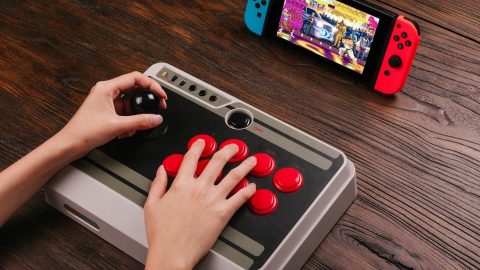
The NES Advantage and similar arcade-style controllers like the Max series offered a very different experience from the standard rectangular pad. They were bold, sometimes oversized, and clearly inspired by arcade cabinets.
The joystick provided a distinct tactile shift compared to a traditional D-pad. For certain games like shooters or sports titles, that arcade feel translated surprisingly well to home play.
Not all players loved the size or layout, but these controllers carved out a specific niche. They represented third-party experimentation at its most ambitious, and for some genres, they remain enjoyable alternatives.
Hori Mini And Compact Designs
Hori also produced smaller variants of controllers for various systems. These compact designs fit comfortably in my hands and reduced strain during extended sessions.
The reduced size did not mean reduced quality. Buttons remained responsive, and D-pads retained precision. For players with smaller hands, these alternatives sometimes felt better than the official hardware.
Compact controllers highlight an important truth about third-party innovation. Not all improvements involve adding features. Sometimes refinement means tailoring ergonomics to different users.
Durability That Defied Expectations
Many people assume third-party controllers age poorly. While that holds true for some budget models, the best examples have proven remarkably durable.
I still own third-party controllers from the 1990s that function flawlessly. Their buttons retain springiness, and their shells remain intact. In some cases, they have outlasted heavily used first-party equivalents.
Build quality varies by brand and model, but the standout controllers demonstrate that third-party does not automatically mean inferior. Careful engineering and quality materials make a lasting difference.
Innovation Beyond Imitation
The most impressive third-party retro controllers did not simply copy official designs. They added features, adjusted layouts, or experimented with ergonomics in meaningful ways.
Six-button layouts for fighting games, turbo functionality, and alternative grip shapes all emerged from third-party creativity. These changes sometimes influenced future official designs.
Innovation carries risk, and not every experiment succeeded. Yet the willingness to try new approaches enriched the retro gaming ecosystem and provided options for players seeking something different.
The Risk Of Cheap Alternatives
Not all third-party controllers deserve praise. Many low-cost options from the 80s and 90s felt hollow and unreliable. Buttons stuck, D-pads wobbled, and cables frayed quickly.
Those negative experiences shaped the broader reputation of third-party hardware. It takes time and consistent quality to overcome that stigma.
The best third-party retro controllers ever made stand out precisely because they broke that stereotype. They proved that independent manufacturers could match or even exceed official standards.
Personal Favorites And Long-Term Use
Certain third-party controllers have become staples in my collection. I reach for them without hesitation during specific genres or multiplayer sessions.
Comfort often determines my preference. A slightly better grip or more responsive D-pad can make a noticeable difference over hours of gameplay. Those incremental improvements accumulate over time.
Trust also plays a role. When a third-party controller performs reliably session after session, it earns a permanent place alongside original hardware.
Final Thoughts
The best third-party retro controllers ever made succeeded because they respected the core principles of good design. They delivered solid build quality, responsive inputs, and ergonomic improvements that enhanced gameplay rather than distracting from it. While many budget options gave third-party hardware a bad name, standout models from companies like Hori, ASCII, Retro-Bit, and others proved that innovation could thrive outside official channels.
Retro gaming is richer because of these alternatives. They offered solutions for competitive players, comfort for long sessions, and creative twists on familiar layouts. In my collection, the best third-party controllers sit proudly beside first-party classics, not as replacements but as worthy companions in the ongoing celebration of gaming history.