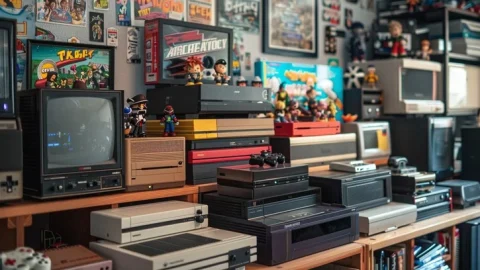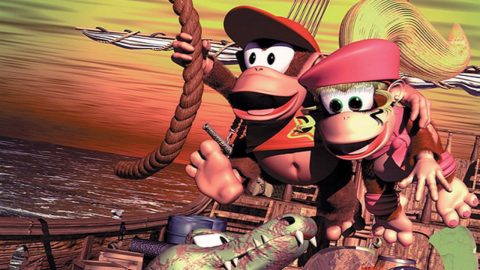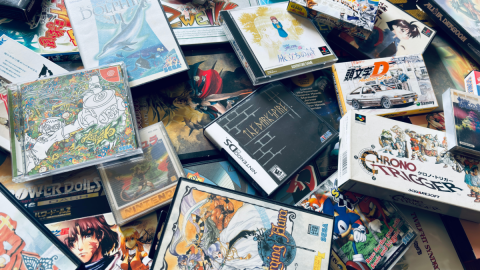

Booting up an old cartridge feels different when the goal is no longer just to finish the game, but to dismantle it. The familiar levels are still there, the music still loops the way it always did, yet my mindset has shifted completely. Instead of wandering or exploring at a relaxed pace, I am watching the clock, shaving seconds, hunting for tiny optimizations. Retro gaming did not just survive into the modern era. It evolved into a competitive art form called speedrunning.
Speedrunning transformed the way I look at childhood classics. Games I once struggled through slowly are now dissected with precision. Movements are measured, patterns memorized, glitches studied. The rise of speedrunning breathed new life into retro titles that might otherwise have gathered dust on a shelf.
From Playground Bragging Rights to Global Leaderboards
Competitive play existed long before online rankings. In school hallways and living rooms, we compared completion times and high scores with absolute confidence. If someone claimed they beat a game in record time, we either believed them or demanded proof the next afternoon.
Those early competitions planted the seeds of speedrunning culture. The instinct to go faster, to optimize a route, to outperform a friend, was already there. All that was missing was a global stage.
The internet provided that stage. Suddenly, a record set in one bedroom could be challenged by someone halfway across the world. Retro gaming became a shared battleground where milliseconds mattered and leaderboards replaced playground boasts.
Why Retro Games Became the Perfect Candidates
Retro titles lend themselves to speedrunning in ways that feel almost inevitable. Their mechanics are tight, their systems limited, and their code often full of quirks. These characteristics make them both predictable and breakable.
Limited hardware meant developers had to design with precision. Controls were responsive, physics consistent, and levels structured clearly. That clarity makes optimization possible.
At the same time, older games frequently contain exploitable glitches. Speedrunners thrive on discovering unintended shortcuts or sequence breaks. Retro gaming and the rise of speedrunning are deeply intertwined because those early systems offered both stability and vulnerability.
Mastery Through Repetition
Speedrunning demands repetition at a level that casual play never required. I replay the same opening stages dozens of times, refining movement until it becomes automatic. Small inefficiencies stand out immediately.
Each reset is not a failure but a recalibration. I analyze mistakes, adjust timing, and try again. This loop mirrors the trial-and-error spirit of arcade design, but with greater intensity.
Retro gaming provides the perfect environment for this process. The games are concise enough to memorize fully, yet challenging enough to reward mastery. That balance keeps the pursuit engaging rather than exhausting.
The Role of Glitches and Exploits
One of the most fascinating aspects of speedrunning is its relationship with glitches. Actions that once felt like bugs are now celebrated as breakthroughs. A misplaced pixel or unusual collision detection can open entirely new routes.
Discovering a major glitch feels like uncovering hidden treasure. It requires patience, experimentation, and a willingness to question assumptions about how the game is supposed to function. These discoveries are often shared within tight-knit communities that collaborate as much as they compete.
Retro gaming and the rise of speedrunning share a rebellious streak. Instead of respecting intended design boundaries, speedrunners test them relentlessly. The result is a deeper appreciation for how these older games were built.
Community-Driven Innovation
Speedrunning is rarely a solitary endeavor. Online forums, video platforms, and live events foster collaboration. Runners share strategies, compare splits, and debate the legitimacy of certain techniques.
Watching a world record attempt can feel like witnessing a live sporting event. Chat reactions explode with excitement as a run approaches a personal best or record pace. The tension builds collectively.
Retro gaming found renewed relevance through these communities. Titles once considered outdated are now analyzed frame by frame. The communal energy surrounding speedrunning transformed nostalgia into active participation.
Events That Amplified the Movement
Charity marathons and streaming events elevated speedrunning into mainstream awareness. Seeing skilled players complete beloved games in astonishingly short times drew in audiences who had never considered such possibilities.
These events highlight both technical skill and personality. Runners explain strategies while executing them flawlessly, blending education with entertainment. The games become platforms for storytelling and shared enthusiasm.
Retro gaming thrives in these spaces because it carries built-in recognition. Viewers connect instantly with familiar titles, making the spectacle more accessible. Speedrunning turned retro games into performance pieces that command global attention.
Redefining Difficulty
Playing a retro game casually often feels challenging enough. Speedrunning redefines difficulty entirely. Tasks that once seemed optional become mandatory for competitive times.
Advanced techniques require precise inputs and near-perfect timing. Missing a jump by a fraction of a second can ruin an otherwise flawless run. The margin for error shrinks dramatically.
Retro gaming and the rise of speedrunning intersect here in a profound way. Familiar obstacles gain new intensity. Levels I once navigated comfortably now demand absolute focus and discipline.
The Psychology of the Clock
Racing against a timer changes how I perceive progress. The clock becomes both adversary and motivator. Watching it tick during a strong run fills me with adrenaline.
Personal best times carry emotional weight. Improving by a single second can feel monumental after hours of practice. That incremental progress fuels determination.
Retro games amplify this tension because their structure is concise. Runs can be attempted repeatedly within a manageable timeframe. This repetition strengthens the psychological loop that defines speedrunning.
Nostalgia Reimagined
Speedrunning transforms nostalgia from passive remembrance into active challenge. Instead of simply replaying a childhood favorite, I engage with it in a new, demanding way. Familiar levels reveal hidden depths.
Revisiting these games with a competitive lens reshapes my relationship with them. I see patterns and design choices that once went unnoticed. The experience feels both old and entirely new.
Retro gaming benefits from this reinterpretation. The rise of speedrunning ensures that classic titles remain dynamic rather than static relics of the past.
Skill Expression in Its Purest Form
Speedrunning strips away extraneous elements and highlights raw execution. Movement, timing, and precision take center stage. The simplicity of many retro games emphasizes this purity.
Complex modern titles can be difficult to speedrun due to random elements or sprawling structures. Retro games often provide consistent environments that reward skill directly.
That consistency makes improvement measurable. I can pinpoint exactly where time was lost and focus on correcting it. The clarity of feedback strengthens motivation.
Technology and Accessibility
Recording and sharing gameplay became easier over time, accelerating the growth of speedrunning communities. Video capture tools and streaming platforms removed barriers to entry.
Retro games, once confined to aging hardware, became accessible through re-releases and emulation. This accessibility broadened participation dramatically. More players meant more discoveries and tighter competition.
Retro gaming and the rise of speedrunning fed into each other through technological advancement. As access expanded, so did innovation.
The Balance Between Respect and Subversion
Speedrunning walks a fine line between honoring a game and dismantling it. On one hand, it requires deep respect for mechanics and level design. On the other, it thrives on breaking intended sequences.
This duality fascinates me. I study the game’s structure meticulously while simultaneously searching for ways to bypass it. The relationship feels both analytical and mischievous.
Retro gaming provides fertile ground for this balance. Older titles often contain enough quirks to reward experimentation without collapsing entirely under scrutiny.
Enduring Legacy
The rise of speedrunning ensured that retro games remain culturally relevant. They are no longer just nostalgic artifacts. They are competitive arenas, research subjects, and communal events.
Watching a record fall on a decades-old game proves its design still holds power. The excitement generated by these moments transcends hardware limitations.
Retro gaming continues to evolve through speedrunning. Each new discovery adds another layer to titles that once seemed fully explored.
Final Thoughts
Retro gaming and the rise of speedrunning represent a powerful synergy between past and present. Classic games provide the foundation, while modern communities and technology elevate them into competitive art forms. The partnership revitalizes titles that shaped earlier generations.
Speedrunning demands discipline, creativity, and resilience. It transforms familiar adventures into high-stakes challenges measured in frames and seconds. That transformation deepens my appreciation for the craftsmanship behind retro design.
The golden cartridges and aging consoles of the past now fuel global competitions and live events. Retro gaming thrives not because it resists change, but because it adapts. Speedrunning ensures that these classics are not merely remembered, but continually reimagined and celebrated through relentless pursuit of perfection.