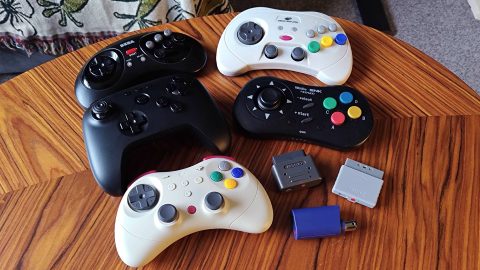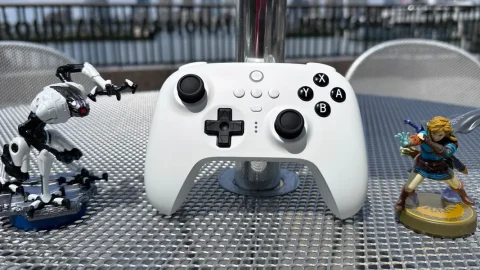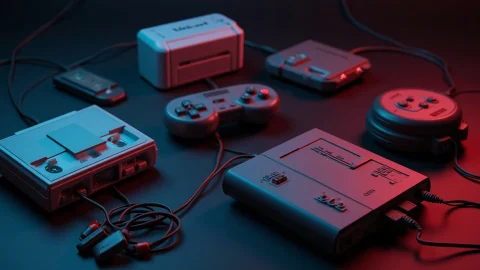

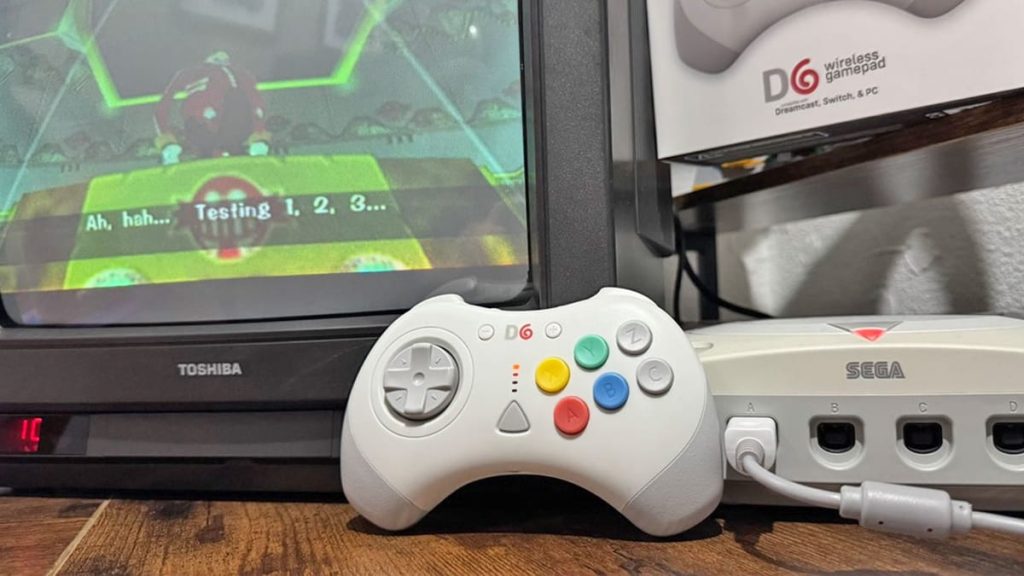
Modern controllers are packed with features. They vibrate with layered haptics, track motion, light up in different colors, and sometimes even speak back through tiny built-in speakers. Yet every time I pick up certain retro controllers, I’m reminded that feel is not about features. It is about shape, balance, responsiveness, and the quiet confidence that the plastic in your hands was built for one thing and one thing only: playing games well.
I have shelves full of old hardware, and I rotate controllers as often as cartridges. Over time, I’ve realized that some retro controllers simply feel better than modern ones. Not because of nostalgia, but because of deliberate design decisions that prioritized immediacy, durability, and comfort in ways that modern hardware sometimes overcomplicates. Simplicity, when done right, creates a direct line between your hands and the game on the screen.
The Super Nintendo Controller And Its Perfect Balance
The Super Nintendo controller remains one of the most comfortable designs ever produced. The curves sit naturally in the palms, and the weight is light without feeling hollow. After long sessions of platformers or RPGs, my hands never feel fatigued, which is more than I can say for some heavier modern controllers.
The D-pad on the SNES controller is still one of the best ever made. It is precise without being stiff, and it rolls smoothly during diagonal inputs. Fighting games, side-scrolling action titles, and puzzle games all benefit from that tactile feedback. Modern controllers often treat the D-pad as an afterthought, but on the SNES it feels central.
The face buttons also deserve praise. Their slight convex shape makes rapid presses comfortable, and the layout feels intuitive. Even decades later, I can jump into Super Metroid or Donkey Kong Country and feel completely in sync within minutes.
Sega Genesis Six-Button Controller And Fighting Game Precision
The original three-button Genesis controller had its limitations, but the six-button version refined everything. It is slightly smaller than the SNES pad, yet it feels dense and purposeful. The added buttons transformed fighting games on the system, especially titles like Street Fighter II: Special Champion Edition.
What stands out most is the D-pad. It is firmer than the SNES equivalent and has a subtle click to it. That resistance makes quarter-circle and charge motions feel deliberate and controlled. I find myself preferring it over many modern D-pads that feel mushy or overly segmented.
The compact design also encourages a different grip. My fingers rest closer to the buttons, and everything feels tighter. During fast-paced matches, that compactness translates into speed. Modern controllers often add bulk for analog sticks and triggers, but the Genesis six-button pad proves that focused design can feel sharper.
The NES Controller And The Beauty Of Simplicity
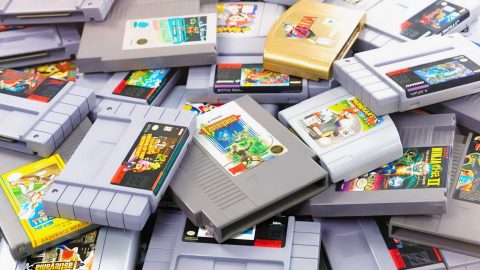
The NES controller is often criticized for its sharp edges, and I understand that perspective. Long sessions can leave faint impressions on the palms. Yet for shorter bursts of play, it offers a level of directness that is hard to replicate.
The D-pad is crisp and unmistakable. It does not wobble or float, and each direction feels clean. When I play classic titles like Mega Man 2 or Contra, that precision matters. Every jump and shot feels intentional because the controller gives clear feedback.
The minimal button layout also creates clarity. Two face buttons and a D-pad force developers and players into tight design loops. Modern controllers sometimes overwhelm with inputs, but the NES pad reminds me that constraints can create better flow.
Nintendo 64 And The Joy Of A Single Analog Focus
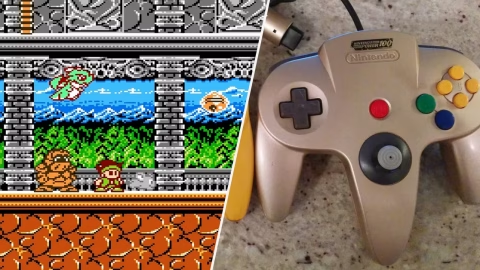
The Nintendo 64 controller looks strange, and it feels strange the first time you pick it up. Yet once I settle into its center grip and rest my thumb on that single analog stick, it clicks. The stick has a tension and travel distance that feels deliberate.
In games like Super Mario 64 or The Legend of Zelda: Ocarina of Time, the analog precision feels tailored to the experience. The range of motion encourages subtle adjustments rather than twitchy corrections. Modern sticks often feel loose by comparison, especially after extended use.
The Z-trigger placement is another highlight. Resting beneath the controller, it feels like a prototype for modern triggers, but with a more decisive press. Shooting in GoldenEye 007 feels tactile and satisfying in a way that still surprises me.
PlayStation DualShock 1 And The Lightweight Advantage
The original DualShock introduced dual analog sticks and vibration, but it kept the controller relatively light. Compared to modern PlayStation controllers, it feels almost airy. That lighter frame makes long sessions feel less taxing.
The symmetrical stick layout, often debated, feels natural to me. My thumbs align evenly, and muscle memory builds quickly. In classic titles like Metal Gear Solid or Resident Evil, the layout feels intuitive and balanced.
The face buttons also have a distinct responsiveness. They sit slightly higher and require a firmer press than modern equivalents. That resistance makes inputs feel intentional rather than accidental, especially in games that demand precise timing.
The Sega Saturn Controller And 2D Excellence
The Sega Saturn controller, particularly the Japanese model, might be my favorite for 2D gaming. It feels like an evolution of the Genesis six-button pad, with smoother curves and improved ergonomics. It sits comfortably in the hands for hours.
The D-pad is exceptional. It rolls smoothly under the thumb and handles rapid directional changes with ease. Fighting games, shooters, and platformers all benefit from its responsiveness.
Modern controllers rarely prioritize 2D inputs, yet retro hardware from the 16-bit and 32-bit eras often perfected them. The Saturn pad proves that when a controller is built around 2D gameplay, it can outperform many contemporary designs.
Build Quality That Survives Decades
One thing I notice repeatedly is durability. Many retro controllers still function perfectly after thirty years. The buttons may be slightly worn, but they remain responsive. The plastic shells rarely creak or flex.
Modern controllers, while advanced, sometimes develop stick drift or trigger issues within a few years. The added complexity introduces more potential failure points. Retro controllers, by comparison, feel mechanically honest.
Opening up old controllers for cleaning reveals sturdy components. Thick circuit boards, robust button membranes, and simple internal layouts make repairs straightforward. That longevity contributes to the overall feel, because confidence in durability enhances comfort.
The Weight Debate And Fatigue Over Time
Modern controllers are often heavier due to batteries, motors, and internal components. While that weight can feel premium at first, extended sessions tell a different story. My wrists and fingers tire more quickly with bulkier hardware.
Retro controllers, powered through wired connections, avoid that issue. Their lighter frames reduce strain during marathon sessions. I can play a full evening of classic RPGs without feeling the subtle fatigue that sometimes creeps in with modern pads.
Balance also matters. Many retro controllers distribute weight evenly across the shell. There is no heavy battery pack shifting the center of gravity. That stability makes them feel more neutral and comfortable.
The Wired Connection And Instant Response
Wireless technology has improved dramatically, but a wired controller still feels immediate. There is a psychological reassurance in knowing that input travels directly through a cable. I never think about pairing, battery levels, or signal interference.
The physical tether also anchors me to the console. It creates a tangible connection between player and machine. That may sound romantic, but it changes the experience in subtle ways.
Latency on modern controllers is often minimal, yet I still notice the crispness of wired retro hardware. In rhythm games and twitch platformers, that immediacy feels satisfying.
Focused Design Without Feature Creep
Retro controllers were built around specific game libraries. Designers did not need to account for motion tracking, touchpads, or adaptive triggers. They focused on what mattered for the games of the time.
That focus often results in cleaner layouts. Buttons are spaced logically, and there are fewer accidental presses. The absence of extra features removes distractions.
Modern controllers attempt to be universal solutions. While that versatility is impressive, it can dilute the tactile clarity that older designs achieved. A controller built for a narrow purpose often feels better in the hands.
Muscle Memory And Timeless Layouts
Years of gaming have etched certain layouts into my muscle memory. The SNES diamond button arrangement, the Genesis six-button arc, and the PlayStation face buttons all feel intuitive without thought.
When I pick up a retro controller, my hands remember instantly. There is no adjustment period. That familiarity contributes to the sensation that they feel better.
Modern controllers shift button sizes, stick placement, and trigger depth slightly with each generation. Those changes are subtle but noticeable. Retro layouts remained consistent for longer stretches, reinforcing comfort.
The Sound And Feel Of Retro Buttons
Click, tap, and snap are sounds I associate with retro controllers. Each button press produces a distinct auditory and tactile response. That feedback creates rhythm during gameplay.
Modern controllers often dampen those sounds for a quieter experience. While that can be pleasant, it also removes a layer of sensory engagement. I enjoy hearing and feeling each input.
The membranes in older controllers strike a balance between softness and resistance. They push back just enough to make presses deliberate. That tactile signature becomes part of the overall experience.
Why Modern Is Not Always Better
Technological progress does not automatically mean improved ergonomics. Modern controllers excel in versatility, accessibility features, and immersive feedback. I appreciate those advancements.
Yet when I sit down to play a 16-bit platformer or a 2D fighter, I often reach for original hardware. The shape, weight, and button feel align more naturally with the design of those games.
Retro controllers were built in an era when gameplay styles were more focused. That tight alignment between software and hardware created tools that still feel exceptional decades later.
Final Thoughts
Retro controllers that feel better than modern ones do so because of intention. They were designed with clarity, purpose, and mechanical simplicity. Each button press, each directional input, and each curve of plastic reflects a focused philosophy.
I enjoy modern hardware and the innovations it brings, but certain retro controllers continue to win me over every time I pick them up. They feel honest, balanced, and directly connected to the games they were made to serve. In a hobby that often celebrates the newest release, it is refreshing to remember that sometimes the best feel was achieved years ago, with fewer features and a sharper sense of purpose.