
Restoring old consoles sits at the crossroads of nostalgia, practicality, and patience. I have learned that not every broken system deserves a full revival, no matter how strong the emotional pull might be. Some repairs preserve history and usability, while others quietly drain time, money, and enthusiasm without delivering much in return.
Over the years, working with aging hardware has taught me to look beyond sentiment. Restoration is not just about making something power on again, but about deciding whether the result will actually be enjoyable to use. Knowing what is worth fixing and what should be left as-is is one of the most important skills a retro gamer can develop.
Why Old Consoles Fail in the First Place
Most console failures come down to age rather than abuse. Capacitors dry out, plastic becomes brittle, and solder joints weaken over time. Even well-cared-for systems eventually show signs of wear simply because electronics were never meant to last forever.
Environmental factors play a huge role as well. Heat, humidity, dust, and power fluctuations slowly degrade components. When a console stops working, it is usually the result of many small issues adding up rather than a single dramatic failure.
The Difference Between Repair and Restoration
Repair focuses on getting a console functional again, even if it looks rough or operates imperfectly. Restoration goes further, aiming to return the system as close as possible to its original condition. That difference matters because restoration often demands far more effort and resources.
I tend to approach each project by asking how far I actually want to go. A console that boots games reliably may not need cosmetic perfection. Full restoration makes sense only when the end result justifies the investment.
Consoles That Are Almost Always Worth Fixing
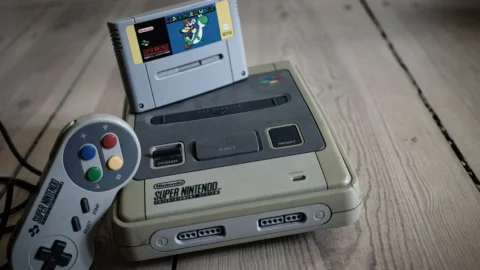
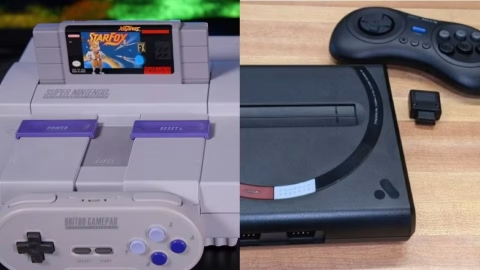
Certain consoles consistently reward restoration efforts. Systems like the NES, SNES, Genesis, and PlayStation are well-documented and supported by abundant replacement parts. Their popularity ensures that repair guides, schematics, and donor units are easy to find.
These consoles also offer strong libraries that make the effort worthwhile. Once restored, they provide years of reliable play. That combination of support and payoff makes them ideal restoration candidates.
Cartridge-Based Consoles and Long-Term Reliability
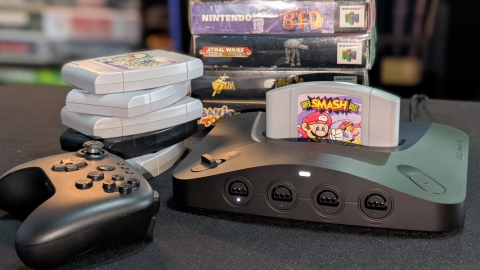
Cartridge-based systems tend to age more gracefully than disc-based ones. Their lack of moving parts reduces mechanical failure points. Most issues come from dirty contacts or aging capacitors, both of which are usually fixable.
Cleaning cartridge slots, replacing capacitors, and repairing power circuits often brings these consoles back to life. The simplicity of their design works in their favor. For me, that makes cartridge-based systems some of the safest restoration projects.
Disc-Based Consoles and Mechanical Risk
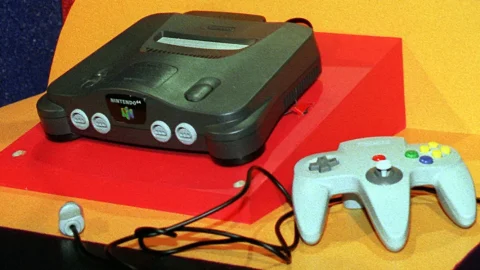
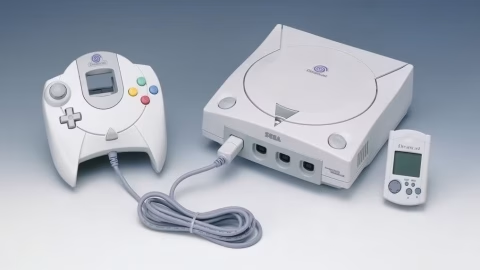
Disc-based consoles introduce additional complexity. Optical drives rely on lasers, motors, and gears that wear out over time. Replacing or calibrating these parts can be difficult and sometimes impossible.
I have learned to be cautious here. If a console requires a rare laser assembly or proprietary drive parts, restoration may not be practical. Even successful repairs can result in systems that fail again sooner than expected.
Handheld Consoles and Battery Damage
Handheld consoles often suffer from battery-related damage. Corrosion from leaking batteries can destroy circuit traces and components. The severity of that damage determines whether restoration is realistic.
Light corrosion can sometimes be cleaned and repaired. Deep damage that eats into the board itself is another story. In those cases, restoration becomes more about experimentation than reliability.
Power Issues That Are Usually Worth Fixing
Power-related problems are some of the most common and most fixable issues. Failed power supplies, cracked solder joints, and worn connectors often prevent consoles from turning on. These problems are usually straightforward to diagnose.
Replacing power components can dramatically extend a console’s life. I almost always consider power repairs worthwhile because they address fundamental functionality. A stable power system is the foundation of any successful restoration.
Capacitor Replacement and Its Limits
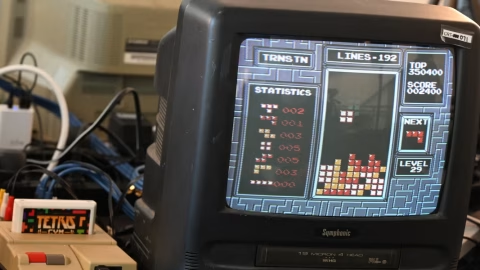
Capacitor replacement, often called recapping, has become a standard practice in retro restoration. Aging capacitors can cause video distortion, audio issues, and instability. Replacing them can restore performance dramatically.
That said, recapping is not a magic fix. If other components are damaged, new capacitors will not solve everything. I treat recapping as preventative maintenance rather than a guaranteed cure.
Cosmetic Damage and Practical Value
Scratched shells, yellowed plastic, and worn labels are common on old consoles. Cosmetic restoration can improve appearance, but it rarely improves functionality. Deciding whether to address cosmetic issues depends on personal goals.
I usually prioritize usability over looks. A console that plays perfectly but looks rough still delivers value. Cosmetic restoration only makes sense when it does not overshadow functional repairs.
Broken Ports and Connector Repairs
Damaged controller ports, AV outputs, and cartridge slots can render a console frustrating to use. These repairs can range from simple solder fixes to full connector replacements. Availability of replacement parts matters greatly here.
If parts are common, repairs are often worthwhile. Rare or proprietary connectors complicate things significantly. In those cases, I weigh the repair cost against the console’s overall value.
Consoles That Are Rare but Not Practical
Some consoles are rare, but rarity alone does not guarantee they are worth restoring. Systems with limited libraries or poor reliability may end up unused even after repair. Rarity does not automatically translate to enjoyment.
I have learned to separate collector value from practical value. A console can be interesting historically without being satisfying to play. Restoration should serve a purpose beyond ownership alone.
Add-Ons and Peripheral Restoration
Peripheral restoration is often less rewarding than console restoration. Accessories like add-ons, specialty controllers, and expansion devices frequently suffer from poor support and fragile design. Repairing them can be more trouble than it is worth.
Unless a peripheral significantly enhances the experience, I am cautious about investing time into it. Some devices are better appreciated as display pieces rather than functional hardware.
Donor Consoles and Ethical Considerations
Using donor consoles for parts is common practice. Sacrificing one system to save another raises questions about preservation. Still, donor units often come from already non-functional hardware.
I see donor use as a practical necessity. Preserving one working console can sometimes require dismantling another. Balance matters, and I try to avoid wasting usable hardware when alternatives exist.
Modern Alternatives and Restoration Decisions
Modern solutions like FPGA systems and emulation influence restoration choices. If a console is extremely difficult to repair, alternatives may offer similar experiences with less effort. That reality shapes what I choose to fix.
Restoration is not about rejecting modern options. It is about deciding where original hardware adds meaningful value. Some experiences are worth preserving authentically, others less so.
Time Investment Versus Emotional Return
Time is often the most overlooked cost of restoration. Hours spent diagnosing issues and sourcing parts add up quickly. The emotional payoff must justify that investment.
I ask myself whether I will genuinely enjoy using the console once it is fixed. If the answer is uncertain, restoration may not be worthwhile. Enjoyment should guide the decision.
Learning Value as a Restoration Factor
Sometimes restoration is worth doing purely for learning. Difficult repairs teach skills that carry over to future projects. Even failed attempts can build confidence and knowledge.
I consider educational value a valid reason to restore. Not every project needs a perfect outcome to be worthwhile. Growth can be its own reward.
When to Walk Away
Knowing when to stop is part of restoration wisdom. Severe board damage, missing custom chips, or unobtainable parts often signal the end of a project. Pushing beyond that point rarely ends well.
Walking away does not mean failure. It means recognizing limits and respecting time and resources. That restraint preserves enthusiasm for future projects.
Preserving Consoles Without Restoring Them
Not every console needs to be restored to be preserved. Proper storage, documentation, and display also protect history. Non-functional consoles can still hold educational and historical value.
I have learned to appreciate systems even when they no longer work. Preservation takes many forms, and restoration is just one of them.
Final Thoughts
Restoring old consoles is as much about judgment as it is about technical skill. Some systems reward effort with years of enjoyment, while others quietly resist every attempt at revival. Learning the difference saves time, money, and frustration.
I now approach restoration with clearer priorities. Function, reliability, and enjoyment matter more than sentiment alone. By focusing on what is truly worth fixing, the process becomes more satisfying and far more sustainable in the long run.