
Worn-out buttons and drifting analog sticks are part of retro gaming’s reality. Decades of use leave their mark on plastic shells, rubber membranes, and internal contacts. At some point, almost every collector faces the same question: repair the controller or replace it entirely.
I have opened more controllers than I can count, sometimes out of necessity and sometimes out of curiosity. Each one tells a small story through dust buildup, shiny D-pads, and stretched cords. Deciding whether to restore or retire a controller is rarely simple, especially when nostalgia and practicality collide.
Original hardware carries weight beyond functionality. A controller that came bundled with a childhood console feels different from a random replacement found online. That emotional factor often influences the repair-versus-replace debate more than pure cost.
Common Controller Problems
Most retro controller issues fall into a handful of categories. Sticky buttons, unresponsive inputs, worn membranes, and loose analog sticks appear frequently. Cords may fray near connection points, leading to intermittent signal loss.
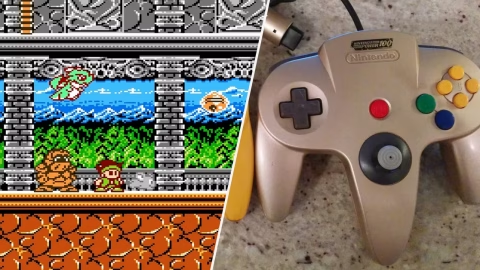
Button problems are often caused by dirt and oxidation on contact pads. Years of use compress rubber membranes, reducing responsiveness. Analog sticks, particularly on systems like the Nintendo 64, develop looseness that makes precise movement difficult.
Identifying the root cause matters before making any decision. Some problems are superficial and easily fixed, while others require parts that may not be worth sourcing.
Opening The Shell
Disassembling a controller can feel intimidating at first, but most designs are straightforward. A handful of screws hold together plastic shells that reveal surprisingly simple internals. Inside, circuit boards and rubber pads handle most input duties.
Special security screws, such as Nintendo’s proprietary bits, require specific tools. Investing in a small toolkit designed for retro hardware pays off quickly. The right screwdriver prevents stripped screws and unnecessary frustration.
Once open, the controller becomes less mysterious. Seeing how few components are actually involved makes repairs seem more approachable.
Cleaning And Basic Maintenance
Cleaning solves more issues than many people expect. Dust and grime accumulate around buttons and on contact pads, interfering with electrical signals. A careful wipe-down with isopropyl alcohol often restores responsiveness.
Rubber membranes can be washed gently and dried thoroughly before reassembly. Plastic shells benefit from mild soap and water, as long as electronics remain separate. Even heavily used controllers can regain a surprising amount of life through simple cleaning.
Basic maintenance costs little beyond time and patience. For minor problems, it almost always makes sense to attempt this step before considering replacement.
Replacing Rubber Membranes
When cleaning fails to restore button sensitivity, worn membranes may be the culprit. These soft rubber pieces lose elasticity over time. Replacements are widely available for many popular systems.
Swapping membranes is usually straightforward. The process involves lifting out the old pads and seating new ones properly. Once installed, buttons often feel crisp again.
Quality varies among aftermarket parts. Choosing reputable suppliers ensures that replacements match original responsiveness rather than introducing new inconsistencies.
Analog Stick Repairs
Analog sticks present more complicated challenges. On the Nintendo 64 controller, for example, internal gears wear down, causing looseness and imprecision. Replacement stick modules exist, but quality differs dramatically.
Some enthusiasts rebuild original stick assemblies with replacement gears. Others install entirely new modules that mimic the original feel. Each option has trade-offs between authenticity and durability.
Repairing an analog stick can restore playability, but it requires patience and careful calibration. In certain cases, purchasing a high-quality replacement controller may prove more efficient.
Cord Damage And Soldering
Frayed or internally damaged cords require more advanced repair skills. Intermittent inputs often trace back to breaks in wiring near stress points. Fixing these issues involves cutting, stripping, and soldering wires back together.
Soldering intimidates many collectors, yet basic repairs are manageable with practice. A steady hand and proper equipment make a significant difference. Still, not everyone feels comfortable modifying original wiring.
If a cord is severely damaged, replacing the entire cable might be necessary. That decision raises questions about preserving originality versus restoring functionality.
The Case For Replacing
Replacing a controller can sometimes make practical sense. If internal damage extends beyond simple fixes, sourcing parts may cost more than buying a functional replacement. Time investment also factors into the equation.
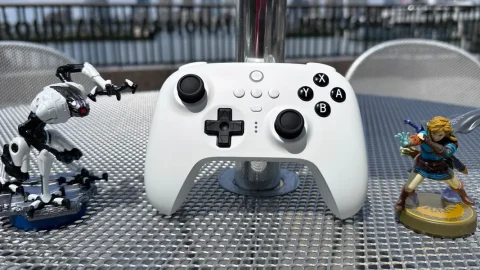
Modern reproductions often offer improved durability. Some third-party controllers refine ergonomics while maintaining compatibility. For extended gaming sessions, comfort improvements can outweigh authenticity concerns.
Replacement avoids the trial-and-error nature of DIY repairs. Instead of spending hours troubleshooting, a working controller restores gameplay immediately.
The Value Of Original Hardware
Despite convenience, original controllers hold unique appeal. They reflect manufacturing standards and design philosophies of their era. Even subtle differences in button texture or plastic finish contribute to the experience.
Repairing an original controller preserves that authenticity. It maintains continuity with the console’s history and often enhances collector value. A fully functional original controller typically commands higher resale interest than a third-party alternative.
That preservation instinct drives many DIY efforts. Restoring rather than discarding feels more aligned with retro gaming’s spirit.
Cost Considerations
Budget plays a significant role in decision-making. Replacement membranes and parts are relatively inexpensive, making DIY appealing for minor repairs. However, specialized tools and replacement modules can add up.
Rare controllers complicate matters further. For systems with limited production runs, replacing may not be feasible at reasonable prices. In such cases, repair becomes the only practical option.
Balancing cost against time and skill level determines the most sensible route. Each controller demands individual evaluation rather than a blanket rule.
Emotional Attachment
Sentimental value often tips the scale toward repair. A controller used during formative gaming memories carries emotional weight beyond market value. Restoring it feels personal rather than purely mechanical.
I have spent extra time repairing certain controllers simply because they were part of important moments. The effort felt justified even when a replacement would have been cheaper.
That emotional connection transforms the repair process into more than maintenance. It becomes preservation of memory.
Long-Term Reliability
Aftermarket replacements sometimes introduce unknown variables. Button sensitivity, build quality, and longevity can vary significantly. Repairing an original controller with quality parts often ensures predictable performance.
Still, not all DIY repairs last indefinitely. Poor-quality membranes or improper soldering can lead to recurring issues. Evaluating part sources and following reliable guides improves outcomes.
Reliability ultimately matters more than purity. A controller that works consistently enhances enjoyment far more than one that sits untouched due to fragility.
Skill Development And Satisfaction
DIY repairs build practical skills. Opening controllers demystifies hardware and fosters confidence. Each successful fix reinforces the idea that retro gaming preservation is accessible.
Completing a repair brings tangible satisfaction. Testing a restored controller and feeling responsive inputs again provides a sense of accomplishment.
Even failed attempts contribute to experience. Mistakes teach lessons that make future repairs smoother and more efficient.
When Replacement Is The Better Choice
Certain scenarios clearly favor replacement. Severe internal corrosion, cracked circuit boards, or missing components may render repair impractical. In these cases, salvaging parts for future projects might be wiser.
Time constraints also influence decisions. If immediate functionality matters more than preservation, purchasing a reliable controller resolves the issue quickly.
Pragmatism does not undermine appreciation. Sometimes replacement simply aligns better with priorities.
Final Thoughts
Repairing retro controllers versus replacing them is rarely a simple choice. Each situation involves cost, condition, emotional value, and long-term reliability. Weighing these factors carefully leads to the best outcome.
I often lean toward repair when feasible, especially for original hardware tied to meaningful memories. At the same time, I recognize the convenience and practicality of modern replacements when damage runs deep.
Retro gaming thrives on balance between preservation and playability. Whether repairing or replacing, the ultimate goal remains the same: keeping classic experiences alive and enjoyable for years to come.