
Region locking has shaped my retro gaming journey in ways I did not expect when I started collecting. It sits quietly in the background of the hobby, only becoming obvious when a cartridge refuses to boot or a disc spins endlessly without loading. Over time, I realized that region locking is not just a technical limitation but a historical artifact that tells a story about how the industry once worked.
For collectors, region locking can feel like both an obstacle and a strange kind of allure. It creates boundaries, adds rarity, and sometimes forces creative problem solving. To really appreciate retro hardware, it helps to know why these locks existed and how they continue to affect collections today.
What Region Locking Meant in the Classic Console Era
Region locking refers to hardware or software restrictions that prevent games from one geographic area from running on a console sold in another. These regions were typically divided into Japan, North America, and Europe, with variations depending on the manufacturer. Each region often had its own release schedules, localization practices, and technical standards.
I learned quickly that region locking was not implemented for a single reason. It was a mix of business strategy, licensing agreements, and technological differences between television systems. Once I understood that, region locking stopped feeling arbitrary and started feeling like a reflection of the time.
Television Standards and Technical Barriers
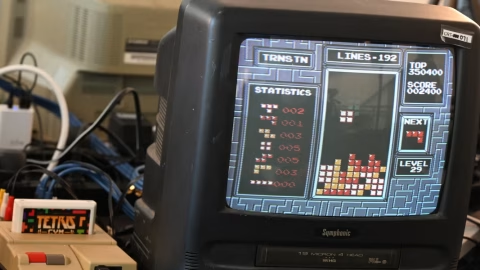
One of the earliest reasons for region locking came from television standards. NTSC and PAL operated at different refresh rates and resolutions, which affected how games displayed on screen. Consoles and games were designed to match the standards of their target markets.
This meant a game built for Japan or North America might run too fast or too slow on European hardware. Colors could display incorrectly, and audio timing could break. Region locking helped manufacturers avoid customer complaints tied to these technical mismatches.
Business Strategy and Market Control
Region locking also gave companies control over pricing and release schedules. Games often launched earlier in Japan than elsewhere, and publishers wanted to prevent imports from cutting into local sales. Locking hardware ensured that each market stayed separate.
From a collector’s perspective, this explains why certain titles feel legendary. Games that never left Japan or Europe remained mysterious for years. Region locking unintentionally created exclusivity, which still drives demand today.
Nintendo’s Approach to Region Locking
Nintendo embraced region locking more aggressively than many competitors. The NES used physical cartridge shapes and internal lockout chips to enforce regional separation. I remember the first time I tried inserting a foreign cartridge and realized it physically would not fit.
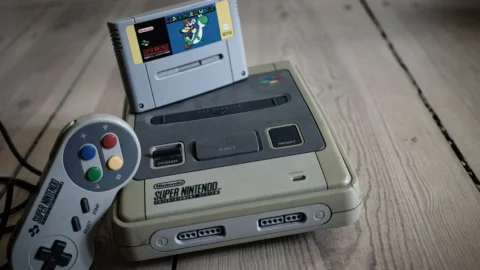
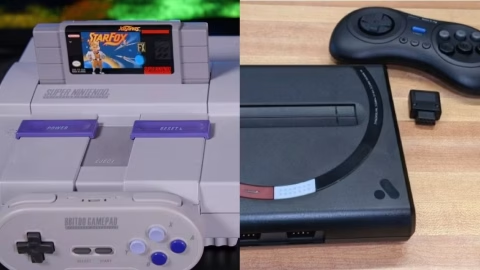
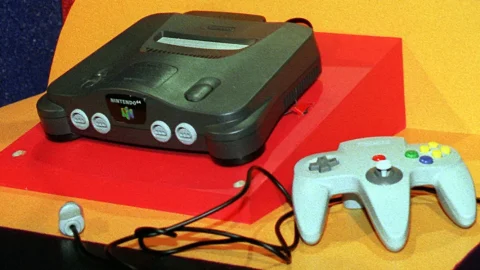
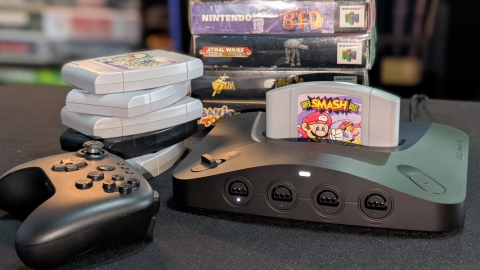
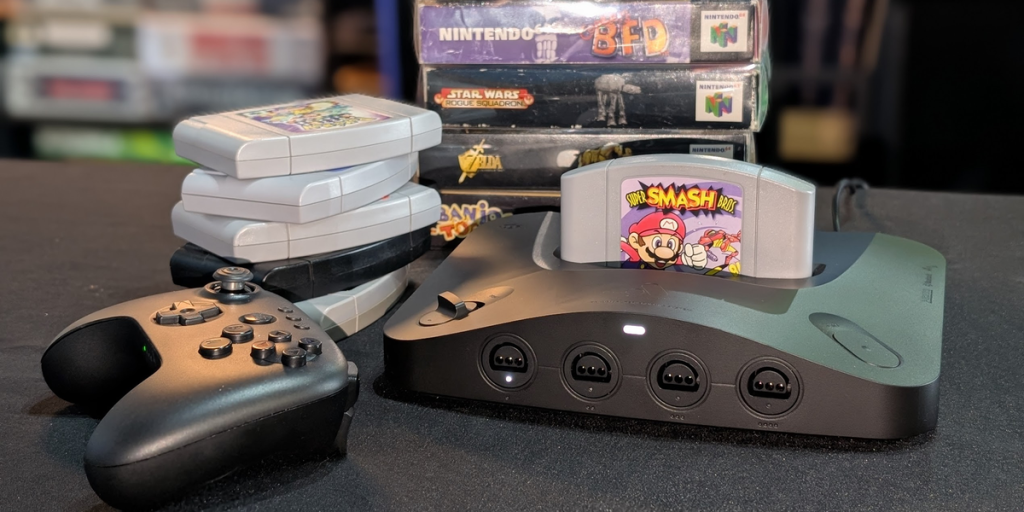
Later consoles refined this approach. The Super Nintendo used both physical differences and lockout chips, while the Nintendo 64 relied heavily on cartridge design. These measures made importing more difficult, but they also made Nintendo hardware very distinct across regions.
Sega’s More Flexible Philosophy
Sega took a somewhat looser stance on region locking, though it still enforced restrictions. The Sega Genesis used regional differences in cartridge shape and internal coding. Some games would boot but behave differently depending on the console’s region.
This flexibility made Sega consoles more attractive to import-focused collectors. With minor modifications or adapters, many region barriers could be bypassed. Sega’s approach gave collectors options without fully abandoning regional control.
Sony and the Disc-Based Era
The move to disc-based media changed how region locking worked. Sony implemented region checks at the software level rather than relying on physical cartridge differences. The PlayStation would verify disc region before allowing games to load.
This method was cleaner but still restrictive. Importing games became easier physically, but playing them required modchips or region-free consoles. For collectors, this marked the beginning of a more technically complex era.
Handheld Consoles and Regional Freedom
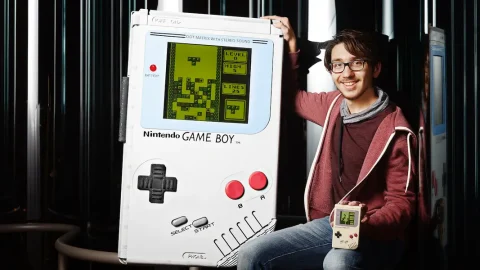
Handheld systems often handled regions differently. The original Game Boy was famously region free, allowing cartridges from anywhere to run on any system. That decision made portable gaming far more accessible across borders.
Later handhelds introduced minor regional differences, but many remained largely open. This freedom helped create a global market for handheld games. For collectors, handheld systems often serve as the easiest entry point into importing.
Why Region-Locked Games Became Collector Gold
Region locking turned many games into regional legends. Titles released only in Japan or Europe gained mythical status elsewhere. Importing them felt like uncovering hidden history.
I found that region locking adds layers of storytelling to collections. Each import carries context about where it came from and why it never reached other markets. That history is part of the appeal.
The Role of Localization in Region Locking
Localization played a huge role in enforcing regions. Translating text, adapting cultural references, and modifying content took time and money. Region locking ensured unfinished or untranslated versions stayed confined to their original markets.
Some games were never localized at all. Region locking preserved those differences, for better or worse. For collectors, these untouched versions offer a raw look at original developer intent.
Hardware Revisions and Regional Variants
Consoles themselves often differed across regions beyond simple locking mechanisms. Power supplies, video output, and even casing designs could change. These differences matter to collectors who value authenticity.
Owning multiple regional versions of the same console can reveal subtle design philosophies. It also highlights how companies tailored products for different audiences. Region locking helped reinforce those distinctions.
Modding and Region-Free Solutions
As interest in imports grew, modding communities flourished. Hardware modifications allowed consoles to bypass lockout chips or ignore region checks. I discovered that modding became almost a rite of passage for serious collectors.
These solutions created a gray area between preservation and alteration. Some collectors value untouched hardware, while others prioritize access to games. Region locking pushed the community to define its own standards.
Modern Re-Releases and Changing Attitudes
Modern retro re-releases often remove region restrictions entirely. Digital storefronts and mini consoles reflect a global mindset that did not exist decades ago. This shift highlights how artificial many old barriers were.
Still, original hardware remains bound by its era. Region locking persists as part of the authentic experience. For collectors, that contrast between past and present adds depth to the hobby.
Legal and Ethical Considerations for Collectors
Importing and modifying hardware raises legal and ethical questions. Region locking was a manufacturer-imposed restriction, not always a legal requirement. Collectors often navigate unclear territory when bypassing locks.
I have learned that context matters. Preservation, access, and personal enjoyment often guide decisions more than strict rules. Region locking forces collectors to think critically about their goals.
How Region Locking Shapes Collection Strategies
Region locking influences what collectors seek and how they build collections. Some focus on a single region for consistency. Others chase imports to fill gaps left by regional releases.
Both approaches are valid. Region locking simply defines the boundaries within which collectors operate. Understanding those boundaries makes collecting more intentional and rewarding.
The Emotional Side of Region-Locked Discoveries
There is a special thrill in finally playing a game that was once inaccessible. Region locking amplifies that feeling by turning access into an achievement. The effort involved makes the reward feel earned.
Those moments stay with me. They remind me that collecting is not just about ownership but about discovery. Region locking adds friction, and friction often creates stronger memories.
Why Region Locking Still Matters Today
Even as technology advances, region locking remains relevant for retro collectors. It influences value, rarity, and authenticity. Ignoring it means missing a key part of gaming history.
Region locking tells a story about how the industry viewed the world. It reflects cultural separation, technical limitations, and business priorities of its time. For collectors, that story is worth preserving.
Final Thoughts on Region-Locked Consoles
Region locking can be frustrating, confusing, and limiting, but it is also fascinating. It shaped how games were distributed, experienced, and remembered. Without it, retro collecting would look very different.
I have come to see region locking not as a barrier, but as a defining feature of the era. It adds challenge, context, and character to the hobby. For anyone serious about retro collecting, understanding region locking is not optional, it is essential.