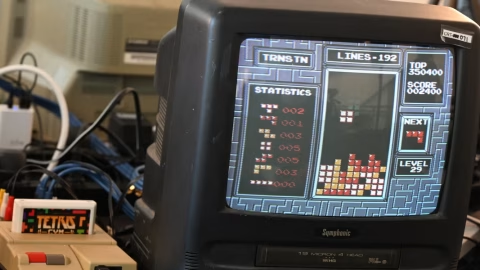

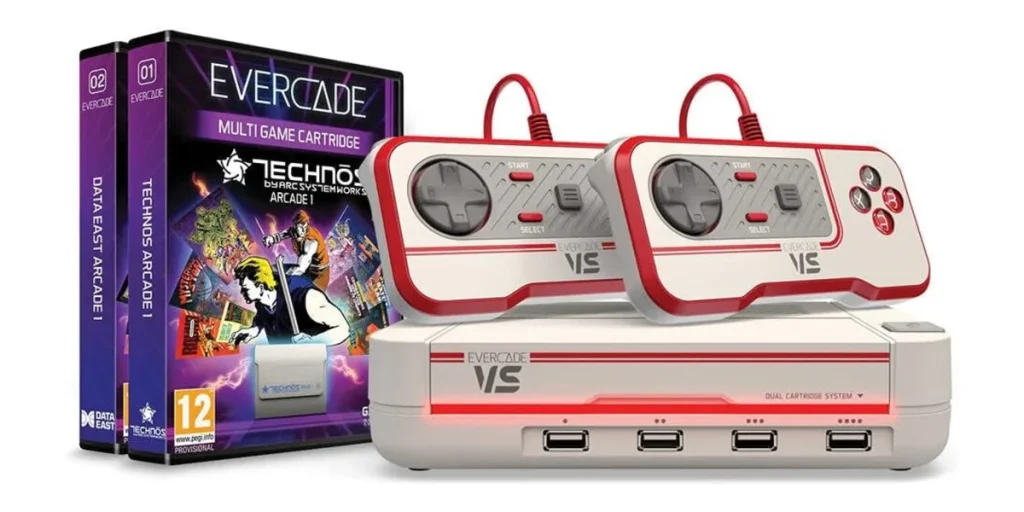
Longevity and replay value are the two measures I always come back to when thinking about retro consoles. Flashy launches and short-term hype fade quickly, but systems that stay relevant decades later earn a different kind of respect. A console that still invites me to plug it in, pick up a controller, and lose an evening says far more about its design and library than any sales figure ever could.
Replay value is not just about nostalgia. It is about mechanics that hold up, libraries that reward revisiting, and hardware that still feels good to use. Some consoles age gracefully, while others feel locked to their era. Looking at retro systems through this lens reveals which ones truly stand the test of time.
What Longevity and Replay Value Really Mean
Longevity is about how long a console remains relevant after its commercial life ends. That relevance can come from hardware reliability, an active fan community, or a library that never stops being fun. A long-lived console does not rely on novelty, because novelty fades.
Replay value is more personal. It measures how often I want to return to a system without feeling forced by nostalgia alone. Games that encourage mastery, experimentation, or short play sessions tend to excel here. Together, longevity and replay value reveal which consoles become lifelong companions rather than temporary obsessions.
The Nintendo Entertainment System and Endless Foundations
The Nintendo Entertainment System sits high in any discussion of replay value. Its library defined genres rather than following trends. Platformers, action games, and puzzle titles on this system feel timeless because they established the rules others still follow.
What keeps the NES relevant for me is its simplicity. Games load instantly, controls are precise, and mechanics are easy to grasp but hard to master. Even after decades, picking up an NES controller feels intuitive, which makes returning to its games effortless.
Super Nintendo and Depth That Rewards Time
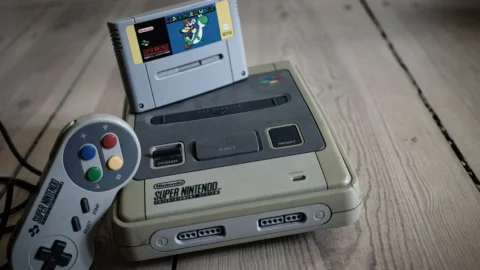
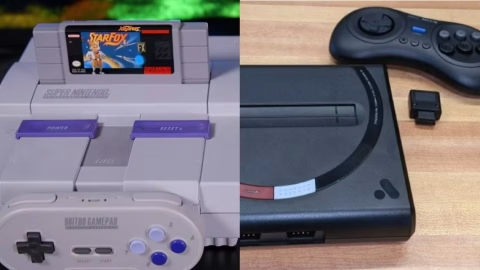
The Super Nintendo built on the NES foundation and added depth in every direction. Its games offer richer visuals, more complex mechanics, and stronger narratives. That extra layer gives many titles a longer lifespan.
Replay value thrives here because the library supports different moods. I can enjoy short arcade-style sessions or sink hours into sprawling role-playing games. The SNES balances accessibility with complexity in a way that continues to reward repeated play.
Sega Genesis and Arcade Energy That Endures
The Sega Genesis earns its place through speed and attitude. Many of its games feel designed for replay, emphasizing reflexes, memorization, and skill improvement. That arcade-inspired philosophy encourages repeated sessions.
What stands out to me is how immediate Genesis games feel. There is little downtime, and action starts quickly. That design keeps the console relevant for quick gaming bursts, even in modern routines.
Game Boy and Portable Longevity
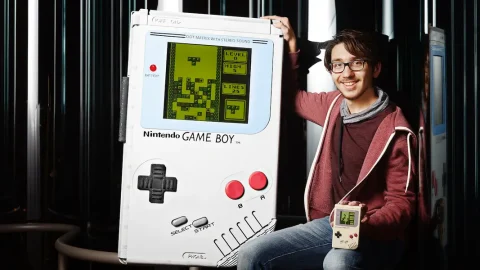
The original Game Boy redefined what longevity could look like. Its hardware was simple, durable, and supported for years longer than most expected. That extended life gave its library time to mature and expand.
Replay value comes from portability and design efficiency. Game Boy titles were built to be replayed in short sessions, which still works perfectly today. Its simplicity makes it one of the easiest retro systems to revisit.
Nintendo 64 and Social Replay Value
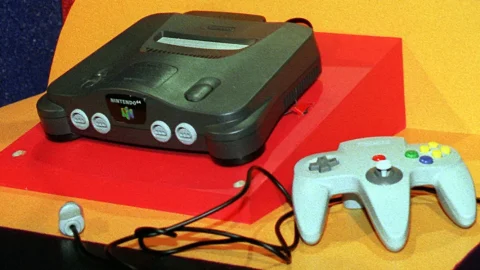
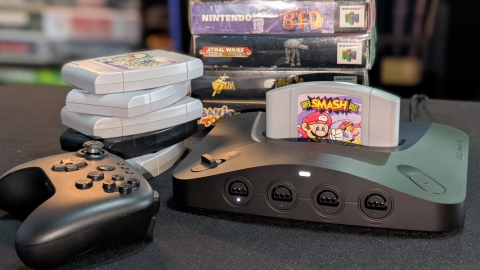
The Nintendo 64 offers a different kind of longevity. Its strongest replay value comes from shared experiences rather than solo mastery. Multiplayer titles turned living rooms into gathering places.
Even today, those games shine in group settings. The hardware may show its age visually, but the gameplay remains compelling. That social longevity gives the Nintendo 64 a unique place in retro rankings.
PlayStation One and Library Diversity
The original PlayStation thrives on diversity. Its massive library spans genres, tones, and experimental ideas. That variety keeps the system fresh even after years of ownership.
Replay value here comes from discovery. I often return to the PlayStation not to replay a favorite, but to explore something overlooked. That endless backlog ensures the console never feels exhausted.
Sega Saturn and Niche Longevity
The Sega Saturn appeals strongly to dedicated fans. Its longevity comes from specialized genres and arcade-accurate experiences. Fighting games and shooters on this system remain unmatched in certain respects.
Replay value is concentrated rather than broad. When the Saturn clicks, it clicks deeply. That focused appeal gives it lasting relevance for players who connect with its strengths.
Dreamcast and Modern Feeling Design
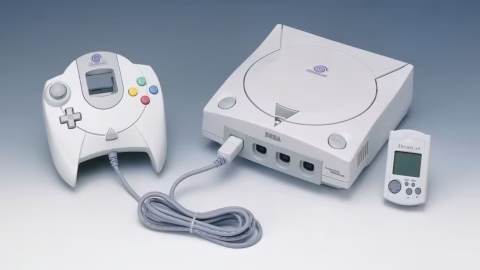
The Dreamcast still feels surprisingly modern. Its user interface, controller design, and online ambitions were ahead of their time. That forward-thinking approach helps it age gracefully.
Replay value benefits from short load times and fluid gameplay. Many Dreamcast titles feel designed for repeated play without friction. That ease keeps the console inviting long after its generation ended.
PlayStation Two and Unmatched Breadth
The PlayStation Two stands as a giant of longevity. Its library is enormous, spanning multiple eras of design philosophy. That scale alone ensures lasting relevance.
Replay value is nearly limitless. I can revisit classics, explore forgotten titles, or experience games that never made it elsewhere. Few consoles offer this level of long-term engagement.
GameCube and Polished Experiences
The GameCube’s strength lies in polish. Its games feel carefully refined, emphasizing responsiveness and clarity. That attention to detail keeps them enjoyable years later.
Replay value comes from quality over quantity. While the library is smaller, it is packed with titles that encourage repeated play. The hardware itself also remains comfortable and reliable.
Xbox and Western Replay Appeal
The original Xbox carved out a distinct identity. Its longevity is tied to strong Western-developed titles and technical power. That focus gives its library a different flavor from competitors.
Replay value shines in genres like shooters and racers. Many of those games still feel solid mechanically. The Xbox’s durability also helps it remain playable decades later.
Handheld Consoles and Time-Tested Design
Handheld systems deserve special recognition in longevity rankings. Their design philosophy emphasizes repeat play and convenience. That approach naturally extends their lifespan.
From Game Boy Advance to early handheld rivals, these systems still fit modern lifestyles. Short sessions and focused gameplay translate well across generations. That adaptability keeps them relevant.
Why Some Consoles Age Better Than Others
Longevity depends heavily on design priorities. Consoles built around clear gameplay principles age better than those chasing trends. Simplicity and responsiveness often outlast graphical ambition.
Replay value also benefits from strong core mechanics. Games that rely on mastery rather than spectacle invite return visits. Consoles that support those games naturally endure.
Community Support and Ongoing Relevance
Fan communities extend a console’s life far beyond its commercial years. Mods, translations, and preservation efforts keep libraries alive. That support transforms hardware into living platforms.
I have seen how active communities revive interest in forgotten systems. Longevity is not just about original design, but about what happens after official support ends. That shared passion keeps replay value alive.
Hardware Reliability and Ease of Use
Longevity also depends on physical survival. Consoles that age well mechanically remain playable without constant maintenance. Ease of setup matters more as time passes.
Systems that connect easily to modern displays or accept repairs gracefully stay in rotation. Hardware design choices echo decades later. That practicality influences how often I return to a console.
Personal Replay Patterns and Changing Tastes
Replay value shifts with personal taste. Games that felt endless in youth may feel different later. Consoles with varied libraries adapt better to those changes.
I find myself returning to systems that offer flexibility. Whether I want challenge, relaxation, or social play, those consoles deliver. That adaptability keeps them relevant across life stages.
Why Ranking Is Always Subjective
Ranking consoles by longevity and replay value involves personal bias. What resonates with me may not resonate with others. That subjectivity is part of the fun.
Still, patterns emerge. Certain consoles consistently invite return visits across different players. Those systems earn their reputation through shared experience.
Final Thoughts
Ranking retro consoles by longevity and replay value reveals which systems transcend their era. These consoles continue to offer meaningful experiences long after newer hardware arrives. Their libraries, design philosophies, and communities keep them alive.
I return to these systems not because I feel obligated, but because they remain genuinely enjoyable. That is the ultimate measure of longevity. A console that still feels worth my time decades later has truly earned its place in gaming history.