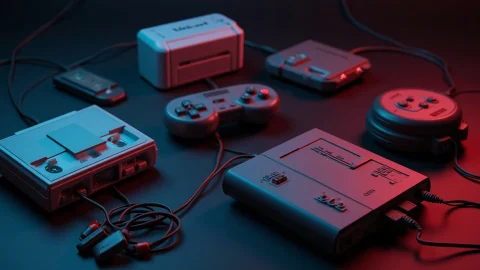

A retro console on its own is only half the story. The real magic starts once the right accessories are in place, turning a basic hookup into a setup that feels intentional and complete. Over the years, I have realized that the difference between a frustrating retro session and a smooth one often comes down to the gear surrounding the console rather than the console itself.
Cartridges and discs get most of the attention, but accessories shape the experience in subtle and powerful ways. The right cables sharpen the image, the right controllers preserve authenticity, and the right storage solutions protect everything from slow decay. A thoughtful retro setup is not about excess; it is about selecting the pieces that genuinely enhance how the games feel and look.
Quality Video Cables
Picture quality can make or break retro gaming. Composite cables may have been standard decades ago, but they rarely show these systems at their best on modern displays. Upgrading to higher-quality connections such as RGB, component, or properly shielded S-Video cables can dramatically improve clarity and color accuracy.
I noticed a significant difference the first time I switched from worn-out composite leads to a well-made RGB cable on a compatible console. Text became sharper, colors looked more defined, and visual noise faded into the background. The games themselves did not change, yet they suddenly felt more vibrant and easier on the eyes.
Investing in reliable cables also reduces interference and signal degradation. Cheap, poorly shielded wires often introduce faint lines or audio hum, which can distract from gameplay. A solid set of video cables is one of the most practical upgrades any retro setup can have.
A Dedicated CRT Television
Flat panels dominate modern living rooms, but retro consoles were designed with CRT displays in mind. Scanlines, natural motion blur, and native resolutions all contribute to how classic games were meant to appear. Playing on a CRT restores that intended look without relying on artificial filters.
I keep a modest CRT in my setup specifically for older systems. The curved glass and faint hum instantly transport me back to earlier gaming sessions. Sprites appear cohesive rather than blocky, and fast motion looks fluid in a way that modern screens sometimes struggle to replicate.
CRTs also handle light gun games properly, which most modern displays cannot do. For titles built around precise timing and visual feedback, that compatibility matters. A dedicated CRT may take up space, but it brings authenticity that is difficult to replicate elsewhere.
Upscalers And Video Processors
Not everyone has room for a CRT, and that is where modern upscalers come in. Devices designed to convert analog signals to clean HDMI output can preserve image quality while making retro consoles compatible with current televisions. A good upscaler minimizes lag and avoids muddy scaling artifacts.
Adding a reputable video processor to my setup transformed how older consoles looked on a modern screen. Instead of stretched or blurry images, I saw crisp pixels and accurate aspect ratios. Input response remained tight, which is essential for platformers and fighting games.
The key is selecting a device built specifically for retro hardware. Generic converters often introduce delay and distort colors. A purpose-built upscaler ensures that modern convenience does not compromise the original feel of the games.
Reliable Controllers And Spares
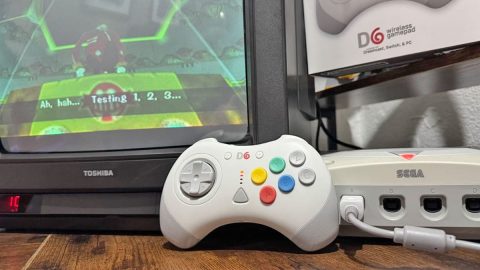
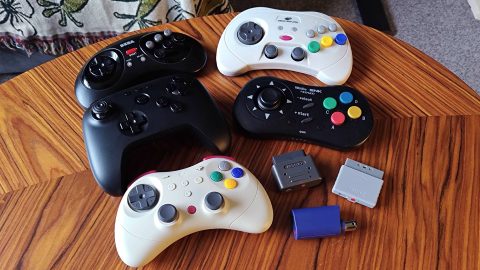
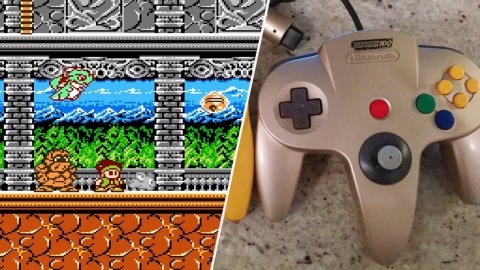
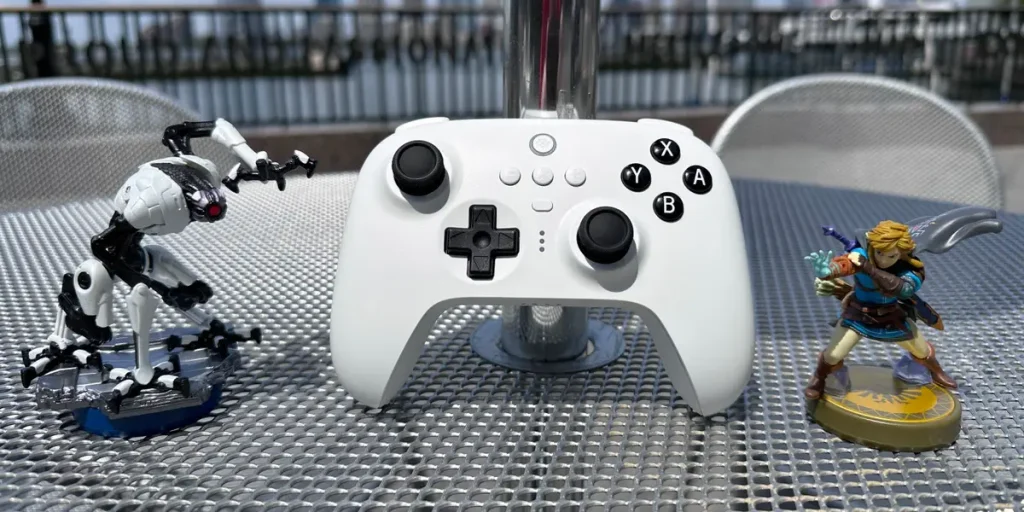
Original controllers carry authenticity, but they also endure wear over decades of use. Buttons lose responsiveness, and directional pads can become inconsistent. Having well-maintained originals or high-quality replacements keeps gameplay precise and enjoyable.
I always keep at least one spare controller per console. Multiplayer sessions and unexpected hardware issues are easier to handle when backups are available. A spare can also serve as a test device when troubleshooting input problems.
Third-party controllers vary widely in quality, so careful selection matters. The goal is to preserve the original button layout and tactile response. A dependable controller is not glamorous, but it directly affects how games feel in your hands.
Memory Cards And Save Solutions
Disc-based consoles rely on memory cards to preserve progress. Faulty or low-capacity cards can lead to lost saves, which is a frustrating setback in lengthy RPGs or adventure titles. Investing in reliable storage protects hours of effort.
I label my memory cards and rotate them thoughtfully to avoid overloading a single unit. Organized storage reduces the risk of accidental overwrites. It also makes it easier to revisit old save files without confusion.
For cartridge systems with internal batteries, modern save solutions such as battery replacements or backup devices are essential. Replacing aging batteries prevents save data from vanishing unexpectedly. A retro setup that safeguards progress feels far more dependable.
Cartridge And Disc Cleaning Tools
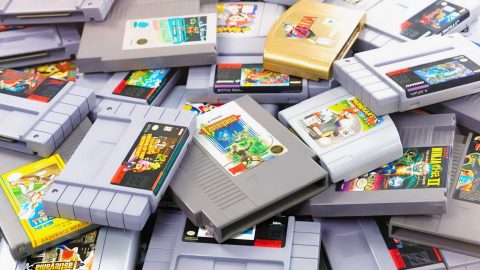
Dust and corrosion are quiet enemies of retro hardware. Cartridges with dirty contacts can fail to boot, and scratched discs may skip or freeze. Cleaning tools designed for retro media help maintain consistent performance.
I keep a small kit with contact cleaner, microfiber cloths, and appropriate screwdrivers. Gentle maintenance sessions prevent minor issues from becoming major ones. Regular cleaning also extends the lifespan of both games and consoles.
Disc resurfacing tools can sometimes revive lightly scratched media. While not a cure-all, they offer a second chance for certain titles. Clean media ensures smoother sessions and reduces unnecessary troubleshooting.
Surge Protectors And Power Management
Old consoles were not designed with modern electrical fluctuations in mind. Power surges and unstable outlets pose real risks to aging hardware. A quality surge protector acts as a simple but vital layer of defense.
All of my retro systems plug into surge-protected power strips. This setup allows me to switch everything off easily and safeguard against unexpected spikes. The peace of mind alone justifies the investment.
Cable management also benefits from organized power solutions. Neatly routed wires reduce clutter and lower the chance of accidental disconnections. A tidy setup feels intentional and easier to maintain.
Storage And Display Solutions
A retro collection can quickly outgrow casual shelving. Proper storage protects cartridges, discs, and accessories from dust and accidental damage. Sturdy shelving units and protective cases make a noticeable difference over time.
I prefer open shelving for frequently played games and closed storage for rarer items. Clear labeling keeps everything accessible without constant digging. Organization not only protects the collection but also enhances the overall aesthetic of the room.
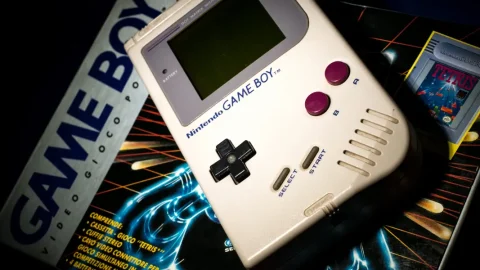
Display stands for handhelds and boxed games add personality without sacrificing practicality. They showcase the history behind each piece while keeping items secure. A balanced setup blends function with visual appeal.
Extension Cables And Multitaps
Comfort matters during longer sessions. Extension cables allow players to sit at a natural distance from the screen without straining wires. High-quality extensions preserve signal integrity while adding flexibility.
Multitaps remain valuable for consoles with limited controller ports. They enable local multiplayer without swapping controllers constantly. Adding one to a retro setup expands its social potential significantly.
Having the right extensions and adapters on hand prevents last-minute frustration. Multiplayer evenings run smoother when everyone can plug in comfortably. These small additions quietly enhance the overall experience.
Audio Solutions And Speakers
Sound design plays a huge role in retro gaming atmosphere. Built-in television speakers often fail to capture the depth of classic soundtracks. External speakers or a modest sound system can elevate the experience.
Connecting consoles to dedicated speakers adds clarity and presence to iconic music and effects. Subtle background tracks become more immersive, and dramatic moments gain impact. Even simple stereo setups can transform the mood.
Proper audio cables and adapters ensure clean connections. Distortion or imbalance can distract from gameplay. A retro setup that sounds as good as it looks feels complete.
Final Thoughts
A strong retro setup is built around thoughtful accessory choices rather than sheer quantity. Quality cables, reliable controllers, proper storage, and stable power solutions form the foundation. Each piece supports the others, creating an environment where classic games can shine.
I have found that investing in practical accessories pays off far more than chasing novelty. The goal is to reduce friction, preserve hardware, and present games in their best possible light. With the right additions in place, a retro console stops feeling like an aging device and starts feeling like a timeless centerpiece.