
Few things in retro gaming sting quite like realizing a save file is gone. Hours of careful grinding, secret hunting, and boss battles can vanish in an instant, leaving behind an empty slot where a proud record once lived. Memory cards and battery-backed cartridges were supposed to protect our progress, yet they often introduced a new layer of anxiety to the experience.
I still remember staring at a PlayStation memory card screen, watching the icons load one by one, hoping my prized RPG file would appear. That tiny animated symbol carried weeks of dedication. The relief of seeing it intact felt as intense as beating a final boss. Retro gaming was not just about playing well; it was about preserving proof that you had done so.
The Era Before Saving
Early consoles did not offer the luxury of saving progress at all. Arcade-style design dominated home systems like the Atari 2600 and the NES, pushing players to master games in single sittings. Password systems became a workaround, scribbled onto notebook pages and tucked into game cases.
Passwords felt fragile and strangely personal. A single misplaced character could lock me out of hours of advancement. I filled margins of old school notebooks with strings of letters and numbers, hoping I had copied them correctly.
That system taught patience, but it also meant progress lived outside the console. Saving was not a built-in expectation yet, and games were balanced around repetition rather than preservation.
Battery-Backed Cartridges Change Everything
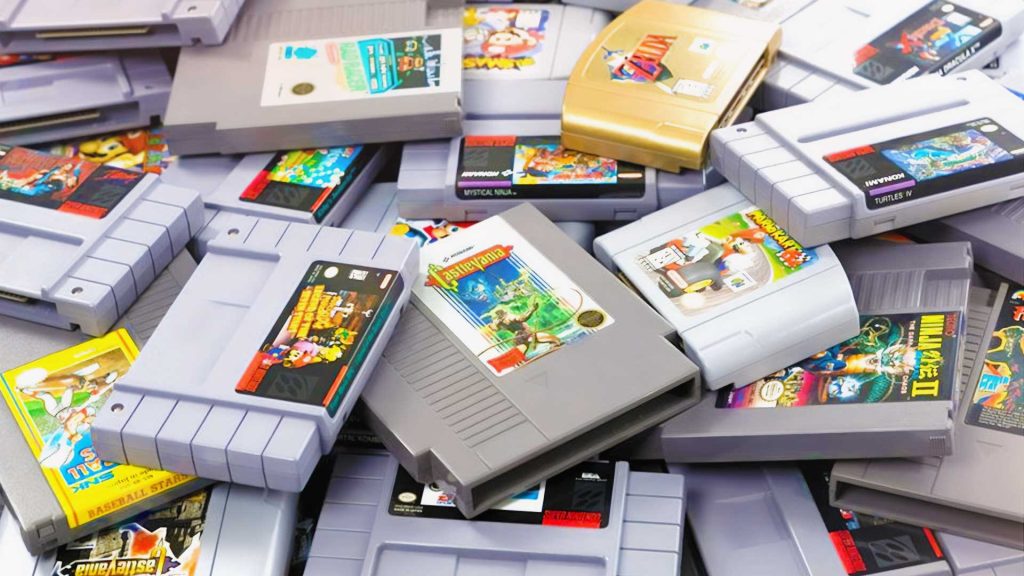
The arrival of battery-backed save systems transformed how I played. Titles like The Legend of Zelda and Final Fantasy on the NES introduced the concept of returning to a persistent world. The small internal battery inside the cartridge powered SRAM, holding data even when the console was turned off.
This innovation felt revolutionary. I could invest in long-form adventures without worrying about finishing them in a single weekend. RPGs flourished because progress could stretch across weeks or months.
Yet those tiny batteries had lifespans. Decades later, many have died quietly, taking childhood save files with them. Replacing a cartridge battery today feels like a race against time to preserve fragments of personal history.
The Rise Of The Memory Card
Disc-based consoles like the PlayStation and Sega Saturn brought a new solution. External memory cards offered removable storage, allowing players to carry progress between systems. Sliding that gray PlayStation card into slot one became part of my ritual before powering on the console.
Memory cards introduced flexibility but also vulnerability. They could be misplaced, corrupted, or accidentally overwritten. I treated mine like precious artifacts, storing them in plastic cases away from dust and sunlight.
The small icons representing save files felt oddly intimate. Seeing a tiny Crash Bandicoot face or a Gran Turismo car symbol made the abstract concept of data feel tangible.
The Nintendo 64 And Built-In Solutions
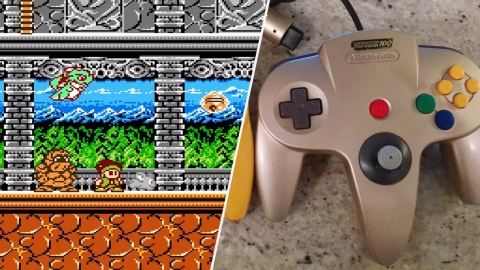
The Nintendo 64 took a hybrid approach. Some games relied on internal cartridge memory, while others required the Controller Pak, an accessory that slotted into the controller. This system created confusion, especially when I realized too late that a game required extra storage I did not own.
Controller Paks were notoriously sensitive. Dirty contacts or slight shifts could trigger error messages. I learned to reseat them carefully and avoid bumping the controller mid-save.
Despite these quirks, the modular nature of storage felt futuristic. Swapping a Controller Pak between friends’ houses allowed progress to travel physically in my pocket.
Corruption And The Dreaded Warning Screen
Few sights in retro gaming are more unsettling than a message warning of corrupted data. The PlayStation’s boot screen, followed by a stark notification that a save file could not be read, delivered instant panic. My heart would sink before I even processed the details.
Corruption could stem from power outages, improper shutdowns, or aging hardware. Sometimes files vanished entirely, replaced by blank blocks. Other times they lingered as unusable ghosts, occupying space but offering no access.
Those moments forced tough decisions. Deleting a corrupted file felt like erasing a piece of personal achievement, yet leaving it there served no purpose.
Third-Party Memory Cards And Risky Alternatives
Official memory cards were expensive, which made third-party options tempting. Some offered larger capacities at lower prices. I owned a few that worked flawlessly for years, but I also experienced sudden failures that wiped multiple saves at once.
The trade-off between cost and reliability became clear over time. Official accessories generally offered greater stability, though not perfect immunity. Third-party cards introduced unpredictability into the equation.
Trust became a significant factor in hardware decisions. Saving progress felt too important to gamble on questionable storage, yet budget realities often influenced my choices.
Save Management As A Ritual
Managing limited storage space became part of the gaming experience. PlayStation memory cards filled quickly, especially with sports titles and RPGs consuming multiple blocks. I often scrolled through lists of files, calculating which ones could be sacrificed.
Deleting an old save required reflection. Was I truly finished with that racing game career mode? Would I ever revisit that half-completed JRPG? These decisions felt oddly emotional.
This process gave weight to digital progress. Space limitations forced prioritization, making each active save feel significant.
Lost Progress And Starting Over
Losing a save file can feel devastating, yet it sometimes leads to unexpected rediscovery. Restarting a game from scratch often reveals mechanics and secrets overlooked during the initial playthrough. Early frustration gradually transforms into renewed appreciation.
I have replayed entire RPGs because a battery died or a card failed. The second journey rarely mirrors the first. Different character builds, alternative story paths, and improved strategy reshape the experience.
Loss can sharpen attachment. A vanished file underscores how much time and care had been invested, making the act of rebuilding feel purposeful rather than purely tragic.
The Emotional Weight Of Save Files
Save files represent more than progress markers. They capture moments in time, reflecting who I was as a player during a specific period. A half-finished game from years ago can transport me back to the room where I played it.
Scrolling through old memory cards today feels like flipping through a photo album. Each file name sparks memories of late nights, borrowed games, and shared multiplayer sessions.
That emotional connection explains why data loss feels personal. It is not just lost progress; it is lost evidence of experiences.
Modern Preservation Efforts
Retro enthusiasts now work actively to preserve save data. Backup devices for cartridge saves allow data extraction before batteries fail. Memory card readers and adapters make it possible to archive PlayStation files onto modern storage.
These tools provide peace of mind. Transferring decades-old saves to a computer feels like safeguarding history. It ensures that even if original hardware fails, progress can survive.
Preservation bridges past and present. It honors the time invested in those worlds while adapting to contemporary technology.
Emulation And Save States
Emulation introduced save states, offering the ability to freeze progress at any moment. This feature changes how retro games are experienced. Difficult sections can be retried instantly without replaying entire levels.
While convenient, save states alter the original tension. The risk of losing progress once heightened stakes. Removing that risk reshapes the emotional rhythm of play.
I appreciate save states for accessibility and experimentation. At the same time, I recognize that original hardware limitations contributed to the character of those games.
Lessons From Fragile Data
Memory cards and battery-backed saves taught me responsibility in small but meaningful ways. Turning off a console carefully, avoiding abrupt resets, and checking storage space became habits. Respect for hardware extended beyond gameplay.
These systems also highlighted impermanence. Digital data may seem intangible, yet it is surprisingly fragile. Without deliberate preservation, it can disappear quietly.
Retro gaming thrives on nostalgia, but nostalgia depends on memory, both human and electronic. Protecting save files preserves tangible connections to the past.
Why Lost Progress Still Matters
Lost progress remains a defining part of retro gaming culture. Stories of corrupted files and dead batteries are shared almost like rites of passage. They bond players through shared frustration and resilience.
Experiencing setbacks reinforces appreciation for modern conveniences. Automatic cloud saves and expansive storage feel luxurious compared to juggling 15 memory card blocks. That contrast deepens gratitude for how far gaming infrastructure has evolved.
At the same time, I would not trade those earlier challenges entirely. The stakes made victories sweeter and persistence more meaningful.
Final Reflections
Memory cards, save files, and lost progress shaped how I relate to retro games. They added layers of caution, anticipation, and emotional investment that extended beyond on-screen action. Each successful save felt like securing a small triumph against technical uncertainty.
Even today, sliding an old memory card into a console carries a hint of suspense. Will the files still be there, intact and waiting? That brief pause before confirmation encapsulates the fragile magic of retro gaming.
Progress may be digital, but its impact is deeply human. The fear of losing it, the relief of preserving it, and the determination to rebuild it all form part of the enduring appeal of classic consoles.