
Retro games did more than entertain a generation of kids glued to bulky televisions and humming CRT monitors. They laid the foundation for much of what now defines modern pop culture, from fashion and music to film, internet humor, and even the way stories are told in mainstream media. I see their fingerprints everywhere, whether I am scrolling through social media, watching a blockbuster movie, or hearing a remix of an 8-bit soundtrack in a club.
The influence of early gaming eras has grown stronger over time rather than fading away. What started as simple pixels and synthesized sounds evolved into cultural symbols recognized around the world. Characters like Mario, Sonic, and Link are not just game protagonists; they are icons that sit comfortably alongside superheroes and movie legends. That kind of staying power does not happen by accident.
Pixel Art Became A Visual Language
The blocky sprites and limited color palettes of early consoles were born out of technical constraints. Developers had to work within strict memory limits and hardware capabilities, which forced them to simplify character designs and environments. Those limitations ended up shaping a visual style that became instantly recognizable.
Today, pixel art is not viewed as outdated. It is celebrated as a deliberate aesthetic choice. I see pixel-inspired graphics in indie games, clothing designs, album covers, and even high-end advertising campaigns. Brands tap into that retro look to signal authenticity and creativity, knowing it resonates with audiences who grew up with it and those who appreciate its charm.
That visual language also influenced animation and graphic design. The clarity and bold silhouettes of early sprites taught designers how to communicate personality with minimal detail. Modern minimalist design trends owe more to 8-bit heroes than many people realize.
Chiptune Music Echoes Through Modern Sound
The bleeps and bloops of early game soundtracks were once considered primitive. Composers worked with limited audio channels and basic waveforms, yet they created melodies that remain unforgettable decades later. I can still hum themes from classic NES and Sega Genesis titles without hesitation.
Chiptune music evolved from those hardware limitations into a genre of its own. Artists now intentionally compose tracks using vintage sound chips or software that mimics them. Festivals and online communities celebrate this style, and it frequently appears in independent films and experimental projects.
Even mainstream music has borrowed from retro game soundtracks. Producers sample or reference 8-bit tones to evoke nostalgia or playful energy. The influence extends beyond direct imitation, shaping how composers think about melody-driven arrangements that stand out without relying on massive orchestration.
Iconic Characters Became Cultural Symbols
Early video game mascots were designed to be instantly recognizable. With limited graphical fidelity, characters needed strong silhouettes and clear personalities. That necessity produced figures who transcended their original platforms.
Mario’s red cap and mustache, Sonic’s blue spikes, and Pac-Man’s circular grin are symbols understood across languages and cultures. I have seen these characters on lunchboxes, sneakers, television shows, and even art installations. They are not confined to gaming anymore.
These characters also helped normalize gaming as a mainstream hobby. Their appearances in cartoons, movies, and merchandise bridged the gap between gamers and the general public. As a result, gaming culture integrated into everyday life instead of remaining niche.
Storytelling Techniques That Crossed Media
Retro games were often limited in how much narrative they could convey directly. Dialogue was sparse, and cutscenes were minimal or nonexistent. Developers relied on environmental cues, manuals, and player imagination to fill in the gaps.
That style of indirect storytelling influenced other creative fields. Films and television series now embrace subtle world-building techniques similar to those early games. Instead of spelling out every detail, creators leave clues scattered throughout scenes, encouraging audiences to piece together the narrative.
I find it fascinating that constraints in early gaming technology pushed storytellers toward methods that feel sophisticated today. What began as necessity became a respected artistic approach, shaping how modern pop culture handles mystery and immersion.
Internet Culture And Memes
Retro games played a massive role in shaping internet humor. Early online communities were filled with players sharing cheat codes, glitches, and inside jokes about notoriously difficult levels. As the internet expanded, those references evolved into memes that still circulate.
Speedrunning culture, for example, grew out of players trying to master classic games. Watching someone complete a decades-old title in record time became a form of entertainment in its own right. That competitive spirit feeds into modern streaming culture, where retro challenges attract huge audiences.
I regularly encounter meme formats rooted in retro gaming imagery. Pixelated fonts, 8-bit sound effects, and references to classic bosses appear in posts that go viral. These elements function as shared cultural shorthand, instantly recognizable to millions.
Fashion And Streetwear Influence
Retro gaming aesthetics have become staples in fashion. Pixel art patterns, character prints, and neon color schemes reminiscent of arcade cabinets show up on streetwear and designer collections alike. What once decorated bedroom posters now appears on runways.
I have noticed that wearing retro gaming apparel often sparks conversations. It acts as a badge of shared experience, signaling membership in a cultural group. That social element reinforces the impact of retro games beyond the screen.
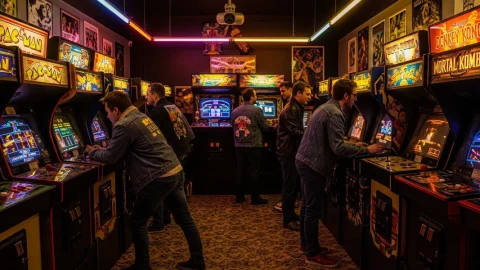
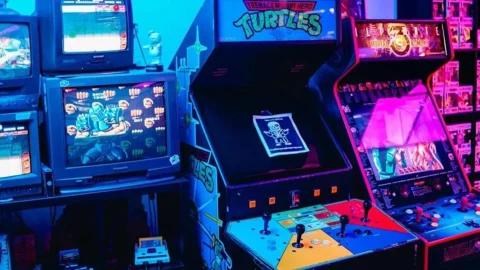
Arcade culture, with its vibrant lights and bold graphics, also influenced interior design and branding. Restaurants, bars, and entertainment venues recreate that atmosphere to evoke excitement and nostalgia. The look and feel of early gaming spaces became part of the broader aesthetic vocabulary.
The Rise Of Esports And Competitive Gaming
Competitive gaming did not start with modern online shooters. It began in arcades, where players competed for high scores on machines like Street Fighter II and Mortal Kombat. Crowds gathered around cabinets, cheering and challenging one another.
Those early competitions laid the groundwork for today’s esports industry. The concept of spectatorship in gaming grew directly from arcade culture. I see a clear line connecting those cramped arcade tournaments to massive esports arenas filled with thousands of fans.
The idea that gaming could be both participatory and performative entered pop culture through those retro experiences. Now, professional gamers are celebrities, and tournaments are broadcast worldwide. That transformation would not have happened without the competitive foundations established decades ago.
Indie Game Development And Retro Roots
Independent developers frequently draw inspiration from retro games, not just in visual style but in philosophy. Limited budgets often mirror the constraints of early developers, leading to creative solutions that prioritize gameplay over spectacle.
I admire how many indie titles focus on tight mechanics and memorable music rather than photorealistic graphics. That emphasis echoes the priorities of 8-bit and 16-bit eras, where gameplay had to shine because hardware could not compensate.
This resurgence of retro-inspired design has influenced mainstream studios as well. Large developers sometimes incorporate pixel art modes or classic gameplay mechanics into new releases. The past becomes a toolkit for innovation rather than a relic to be archived.
Arcade Culture And Social Spaces
Arcades were more than rooms filled with machines. They were social hubs where friendships formed and rivalries developed. The communal aspect of standing shoulder to shoulder at a cabinet created a shared energy that felt electric.
Modern pop culture still chases that atmosphere. Barcades and retro-themed venues recreate the social dynamic of classic arcades, blending nostalgia with contemporary nightlife. I have stepped into these spaces and felt the same competitive buzz that defined earlier decades.
That communal spirit also influenced multiplayer design. Couch co-op and split-screen battles shaped how people interacted with games together. Even in an era dominated by online play, many players crave the face-to-face intensity that retro gaming popularized.
Film And Television References
Retro games appear constantly in film and television, often as shorthand for a specific era or emotional tone. Directors use arcade scenes or classic consoles to evoke childhood, rebellion, or technological wonder. These references resonate because the imagery is deeply embedded in collective memory.
Some films center entirely around retro gaming themes, celebrating pixel art, high scores, and underdog players. Others subtly incorporate references in dialogue or background details. I enjoy spotting these nods, recognizing how seamlessly gaming history blends into broader storytelling.
The success of adaptations based on classic franchises further demonstrates their cultural weight. What began as simple platformers now serve as foundations for blockbuster films and streaming series, proving their narratives and characters have universal appeal.
Language And Shared References
Retro games contributed phrases and concepts that entered everyday language. Terms like extra life, boss battle, and level up are now used metaphorically in conversations far removed from gaming. That linguistic crossover reflects how deeply games influenced thought patterns.
I catch myself using these expressions casually, often without realizing their origins. Friends who may not consider themselves gamers still understand the references, which shows how thoroughly gaming vocabulary permeated society.
Shared references strengthen cultural bonds. When someone jokes about needing a power-up to get through a tough week, the humor lands because retro games established that framework decades ago. Those small linguistic echoes demonstrate lasting impact.
Technology Inspiration Beyond Gaming
The early hardware and software innovations required to build retro games influenced technology beyond entertainment. Graphics processing, sound design, and user interface principles developed during those formative years laid groundwork for future advancements.
Programmers who cut their teeth on early systems often carried that experience into other industries. The discipline of optimizing code for limited memory fostered efficiency and creativity that extended into broader tech culture. I find it remarkable how lessons learned from building simple games shaped entire career paths.
Modern app design and interactive media still borrow from retro principles. Clear feedback loops, intuitive controls, and visual clarity were necessities in early games. Those same principles remain pillars of effective design today.
A Lasting Emotional Blueprint
Retro games established emotional templates that continue to guide creators. The thrill of defeating a difficult boss, the satisfaction of discovering a hidden level, and the camaraderie of local multiplayer sessions created powerful memories. Those experiences set expectations for what games could make us feel.
Modern creators aim to recreate that sense of triumph and connection, even with advanced technology at their disposal. I often compare new releases to the emotional highs of classic titles, measuring how well they capture that spark.
That emotional blueprint extends into other forms of media. The underdog narrative common in early games appears in films and novels. The idea of progressing through challenges toward a final confrontation mirrors storytelling structures across pop culture.
Final Thoughts
Retro games did far more than define a generation of entertainment. They shaped visual art, music, language, competition, storytelling, and social interaction in ways that continue to ripple through modern pop culture. Their influence is visible not only in gaming but in fashion, film, technology, and everyday conversation.
I see retro gaming as a foundation rather than a footnote. The pixels, soundtracks, and characters that once flickered across small screens now echo through global media. That enduring presence proves that retro games are not relics of a bygone era but active forces shaping the culture we live in today.