
Retro game collecting has quietly shifted from a niche hobby into a serious market. Spending time browsing flea markets, online listings, and small retro shops has made it obvious that prices are not just creeping up, they are jumping in sudden waves. Games that sat ignored for years are now being reevaluated, reappraised, and snapped up by collectors who finally recognize their value. That shift is happening faster than many people expect, and it is already leaving latecomers priced out.
What makes certain games spike in value is rarely just nostalgia alone. Scarcity, limited print runs, late-generation releases, cult followings, and lack of digital re-releases all play a role. Some titles are still affordable right now, but the signs are there if you know what to look for. These are the kinds of games that feel quietly important, even if they were overlooked when they first launched.
Late-Generation Console Releases
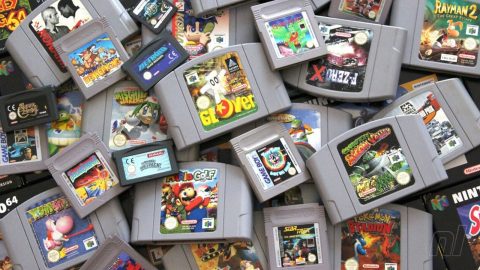
Games released late in a console’s lifespan often had smaller production runs. By the time these titles came out, many players had already moved on to newer hardware. That meant fewer copies were printed, fewer were sold, and even fewer survived in good condition. This pattern has repeated across nearly every console generation.
Titles like Kirby’s Dream Land 3 on the Super Nintendo fall squarely into this category. Released when the Nintendo 64 was already on the horizon, it did not get the attention it deserved at the time. Today, collectors are realizing just how polished and charming it is. Games like this tend to surge in value once people recognize how limited their availability really is.
Cult Classics That Found an Audience Too Late
Some games failed commercially but succeeded creatively. These are the titles that players discovered years later through word of mouth, magazines, or online discussions. By the time their reputation grew, production had long since ended. That delayed recognition often turns them into ticking time bombs in the collector market.
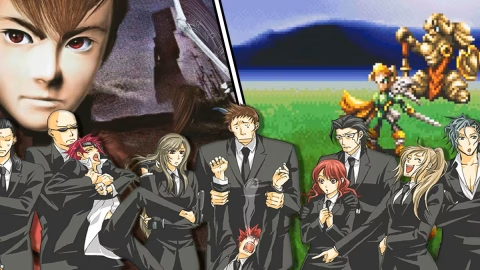
EarthBound is the most famous example, but many others are following the same trajectory. Games like Rule of Rose on the PlayStation 2 or Panzer Dragoon Saga on the Sega Saturn were barely noticed at launch. Now they are spoken about with reverence. Prices tend to explode once a cult classic becomes widely accepted as essential.
Games With No Modern Re-Releases
One of the biggest drivers of price spikes is the absence of legal modern alternatives. When a game is not available digitally, not remastered, and not ported, physical copies become the only way to experience it authentically. That exclusivity creates pressure on supply almost overnight.
Titles trapped on older hardware, especially obscure RPGs and niche genres, are especially vulnerable. Skies of Arcadia Legends on the GameCube is a perfect example. While the Dreamcast version exists, many players consider the GameCube release definitive. Without a modern port, demand continues to rise while supply stays frozen.
Horror Games With Limited Print Runs
Retro horror games are among the most volatile in terms of pricing. Many of them were produced in small quantities because publishers underestimated demand. Horror was still considered risky, and niche audiences were smaller at the time. That scarcity is now catching up with the market.
Games like Haunting Ground and Kuon on the PlayStation 2 are already expensive, but they show no signs of slowing down. Their unique mechanics, unsettling atmosphere, and lack of re-releases make them highly desirable. Horror fans are fiercely loyal, and once prices start climbing, they rarely come back down.
Handheld Games That Flew Under the Radar
Handheld systems often get overlooked by collectors until it is too late. Many handheld games were played heavily, tossed into backpacks, and rarely kept in pristine condition. Complete-in-box copies are already getting harder to find, which is always a warning sign.
The Game Boy Advance library is especially vulnerable right now. Titles like Ninja Five-O and Car Battler Joe were never widely distributed. As more collectors shift their attention to handhelds, these games are likely to see sharp increases. Once handheld collecting really takes off, prices tend to jump quickly.
Games With Unique Hardware Or Accessories
Games that rely on specific hardware or unusual accessories often become expensive once those peripherals disappear. Light gun games, rhythm games, and motion-based titles all fall into this category. Without the proper setup, these games cannot be experienced as intended.
Examples like Steel Battalion on the original Xbox stand out immediately. The massive controller alone makes it a logistical nightmare, which kept casual players away. Now that complete sets are scarce, prices have climbed dramatically. Any game tied to unique hardware should be considered a priority for collectors.
Region-Specific Releases
Games that were released only in certain regions often fly under the radar until import interest spikes. Japanese-exclusive titles, in particular, are seeing renewed attention as language barriers become less intimidating. Fan translations and online guides have made these games more accessible than ever.
The Sega Saturn library is full of examples. Many Japanese-only releases never made it overseas, yet they represent some of the console’s best work. As collectors broaden their scope beyond local markets, demand for these titles is steadily increasing. Region exclusivity is one of the clearest predictors of future value.
Experimental Games That Could Not Exist Today
Some retro games simply would not be greenlit in the modern industry. They were too strange, too risky, or too niche. Those qualities make them fascinating now, especially as modern games trend toward safer designs. Experimental titles often age into cult favorites.
Games like Chibi-Robo on the GameCube fall into this category. Its odd premise and unconventional mechanics confused many players at launch. Today, its creativity is celebrated. As appreciation grows, so does the pressure on remaining physical copies.
Sports Games That Break the Rule
Most sports games never become valuable, but there are exceptions. Certain entries represent major transitions, license changes, or unique mechanics that were never repeated. These are the sports games collectors should pay attention to.
NBA Jam Tournament Edition and NHL Hitz Pro are good examples. They capture a specific moment in sports gaming history that modern titles have moved away from. As nostalgia cycles forward, these standout entries are increasingly viewed as historical artifacts rather than disposable annual releases.
Games Tied To Defunct Developers Or Publishers
When a developer or publisher disappears, their games often become more desirable. There is no chance of sequels, remasters, or official revivals. What exists is all there will ever be. That finality adds weight to physical copies.
Studios like Treasure, Working Designs, and Clover Studio produced games that are already climbing in value. Their catalogs are being reexamined as complete bodies of work rather than isolated titles. Once collectors start chasing entire libraries, prices tend to move quickly.
Condition And Completeness Matter More Than Ever
As prices rise, condition becomes a bigger factor. Loose cartridges will always be cheaper than complete copies, but even those are starting to climb. Boxes, manuals, and inserts that once seemed disposable are now essential parts of value.
This shift means that games in good condition are disappearing faster than expected. Collectors are upgrading their copies, removing high-quality examples from circulation. That leaves fewer options for newcomers, accelerating price increases even further.
Why The Window Is Closing
The retro market is no longer driven solely by nostalgia. Investors, content creators, and preservationists are all entering the space. That broader interest increases competition and reduces availability. Games that feel affordable now may not stay that way for long.
Digital storefront closures and licensing issues are also pushing people back toward physical media. When access disappears online, demand for cartridges and discs spikes immediately. This pattern has already played out multiple times, and it will continue.
Final Thoughts
Games you should own before prices skyrocket are rarely obvious at first glance. They sit quietly on shelves, overshadowed by bigger names and louder franchises. Over time, their importance becomes clearer, and by then the market has already moved. Paying attention now is less about speculation and more about preservation. These games represent moments in gaming history that deserve to be experienced, not just watched from behind rising price tags.