
The retro gaming era produced far more than just the blockbusters everyone still talks about today. Beneath the surface of legendary franchises sits a deep catalog of creative, ambitious games that quietly faded away. Some were released at the wrong time, others were overshadowed by bigger names, and a few were simply too unusual for their era. Playing these forgotten titles now makes it clear how much untapped potential still exists within them.
What stands out when revisiting these games is how bold many of them were. Developers experimented with mechanics, tone, and structure in ways that feel surprisingly modern. In 2026, with remakes and reboots everywhere, these overlooked gems feel perfectly positioned for a return. They do not need radical reinvention, only the spotlight they never truly received.
Eternal Darkness: Sanity’s Requiem and Psychological Risk
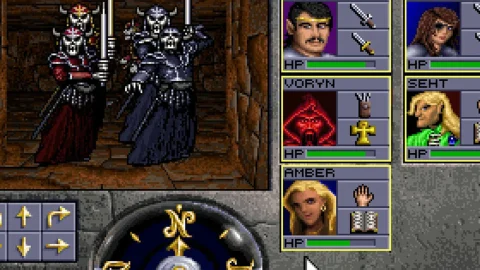
Eternal Darkness was far ahead of its time, blending horror with psychological manipulation in ways few games had attempted. The sanity system actively played with player expectations, breaking the fourth wall in subtle and unsettling ways. Visual distortions, fake crashes, and altered environments created a sense of unease that felt personal rather than scripted.
What makes this game worthy of a comeback is how well its core ideas still hold up. Modern hardware could enhance its psychological tricks without losing subtlety. The original experience remains memorable, but its concepts feel even more relevant in an era hungry for innovative horror. A respectful revival could easily stand alongside today’s best narrative-driven games.
Terranigma and Emotional World-Building
Terranigma quietly delivered one of the most thoughtful action RPG experiences of its generation. The game focused on rebuilding the world, tying player actions directly to environmental and societal change. That sense of impact gave exploration a deeper meaning than simple progression.
Despite its strengths, Terranigma never achieved widespread recognition. Its storytelling remains powerful, blending myth, loss, and hope in a way that still resonates. A modern re-release could introduce a new audience to its emotional depth while preserving the pixel art charm that defined it. Few games deserve rediscovery more than this one.
Panzer Dragoon Saga and Lost Ambition
Panzer Dragoon Saga represents one of the most ambitious RPGs ever released, yet it remains inaccessible to many players. Its limited release and hardware constraints kept it from reaching a broader audience. The blend of aerial combat, storytelling, and world-building felt unlike anything else at the time.
What makes this game ideal for a comeback is its originality. The setting, tone, and mechanics still feel distinct decades later. A modern version could preserve its unique combat system while smoothing technical limitations. Bringing this title back would not just honor history, but restore a missing piece of it.
Skies of Arcadia and Optimistic Adventure
Skies of Arcadia offered a refreshing sense of optimism in a genre often dominated by darker themes. The world felt vast and inviting, filled with airship exploration and colorful characters. Combat encouraged strategy without becoming overwhelming, making progression feel rewarding rather than exhausting.
The game’s biggest flaw was timing rather than design. Released during a transitional hardware period, it never gained the attention it deserved. Its sense of wonder remains intact even now. A comeback could reintroduce that adventurous spirit to players who crave exploration without cynicism.
Vagrant Story and Mechanical Depth
Vagrant Story took risks that few RPGs dared to attempt. Its combat system required careful timing, positioning, and weapon management. The narrative leaned into political intrigue and moral ambiguity, trusting players to keep up without hand-holding.
That trust made the game intimidating, but also deeply rewarding. A modern remake could refine its systems without sacrificing complexity. Its visual style and tone still stand out, proving that maturity in storytelling does not require spectacle. This is a game that deserves a second chance to be appreciated properly.
Einhänder and Cinematic Shooters
Einhänder delivered a cinematic experience within the side-scrolling shooter genre. The pacing, music, and visual presentation created a cohesive atmosphere rarely seen in similar games. Weapon management added tactical depth, forcing players to adapt rather than memorize.
Despite critical praise, the game quietly disappeared as the genre faded from mainstream attention. Its design still feels sharp and intentional. A comeback could introduce modern players to a shooter that values mood and strategy equally. The foundation is strong enough to shine again.
Tomba! and Playful Experimentation
Tomba! embraced absurdity and creativity without hesitation. The game blended platforming, RPG elements, and exploration into something that felt unpredictable but joyful. Its humor and colorful world gave it a personality that was impossible to ignore.
Unfortunately, that same uniqueness may have limited its reach. The mechanics were unconventional, and the tone defied easy categorization. Revisiting it now highlights how innovative it truly was. A modern revival could polish its rough edges while preserving its playful soul.
ActRaiser and Genre Fusion
ActRaiser dared to combine action platforming with city-building mechanics. Players shifted between controlling a powerful hero and guiding civilizations from above. That dual structure created a sense of responsibility rarely felt in games of its era.
While memorable, the series never fully realized its potential. A comeback could expand on its core ideas, blending action and strategy more seamlessly. The original proved the concept worked. Modern design could finally unlock what it hinted at decades ago.
Shadow Hearts and Dark Identity
Shadow Hearts offered a darker take on the RPG genre, blending historical settings with supernatural horror. The combat system rewarded timing and focus, making battles feel interactive rather than routine. Its tone stood apart from the more traditional fantasy settings of its peers.
Despite multiple entries, the series never reached mainstream success. Revisiting it now reveals how confident its identity was. A revival could refine its mechanics while reintroducing its unique blend of horror and drama. Few RPGs embraced darkness with such commitment.
Legend of Dragoon and Mechanical Risk-Taking
Legend of Dragoon attempted to rethink turn-based combat through timed inputs and transformations. That system kept battles engaging, even during longer encounters. The story followed familiar beats but delivered them with sincerity and scale.
While popular with a dedicated audience, the game never received continued support. Its ambition deserves recognition beyond nostalgia. A modern remake could streamline pacing while preserving the combat depth that defined it. The core experience remains compelling.
Why These Games Were Forgotten
Many of these games were not forgotten because they lacked quality. They were lost due to timing, marketing, or hardware limitations. Competing releases often overshadowed them, leaving little room to build momentum.
Others were simply too experimental for their era. Risk-taking does not always translate to immediate success. Looking back, those risks feel visionary rather than misguided. The industry has finally caught up to ideas these games explored years ago.
Modern players are also more open to unconventional design. Indie successes have proven that originality can thrive. These forgotten retro games fit perfectly into that landscape, waiting to be rediscovered.
Why a Comeback Makes Sense in 2026
The current gaming climate favors rediscovery. Remasters, remakes, and reboots dominate release schedules. Players actively seek experiences that feel different from standard formulas.
Technology now allows these games to shine without compromise. Loading times, performance issues, and hardware limitations no longer stand in the way. Developers can preserve original vision while improving accessibility. That balance creates the perfect environment for revival.
There is also a growing respect for gaming history. Players want to explore where ideas originated, not just where they ended up. These titles offer insight into creative paths that were never fully explored.
Final Thoughts
Forgotten retro games that deserve a comeback are not relics of a weaker past. They are unfinished conversations, ideas paused rather than concluded. Revisiting them reveals creativity that still feels bold and relevant.
A comeback does not require reinventing these games from scratch. It requires respect, care, and trust in their original vision. Bringing them back would not only honor their legacy, but enrich the present. These games deserve to be remembered, played, and appreciated all over again.