
That brief moment between pressing the power button and the game beginning has always mattered more than people admit. Console startup sounds were not just functional audio cues, they were emotional signals that told me an adventure was about to begin. Even now, decades later, a single tone or musical flourish can pull me back to a specific room, a specific television, and a very specific feeling that modern hardware rarely recreates.
Those sounds became part of the ritual of gaming, just as important as holding a controller or sitting at the right distance from the screen. They carried personality, confidence, and sometimes even attitude. Long before splash screens and legal disclaimers, startup sounds quietly defined what kind of experience awaited.
Why Startup Sounds Matter More Than We Remember
Startup sounds worked because they were short, distinctive, and repeated endlessly over the years. Hearing them meant comfort, excitement, and familiarity all at once. I never needed to look at the console to know exactly what system was running, because the sound alone told the whole story.
These sounds also marked transitions. Homework ended, chores faded into the background, and a different world opened the instant the console came to life. That emotional association is why a few seconds of audio can still trigger powerful memories decades later.
Atari 2600 and the Raw Beginning of Home Gaming
The Atari 2600 did not deliver a polished startup jingle, but its blunt audio feedback still holds weight. Powering it on produced a sharp, mechanical tone that felt immediate and almost industrial. It perfectly matched the experimental nature of early home gaming.
That roughness mattered because it reflected the era. Games loaded instantly, visuals were simple, and imagination filled in the gaps. Even without a formal startup sequence, the Atari’s sound marked the beginning of something entirely new.
NES Silence and the Tension It Created
The Nintendo Entertainment System greeted players with silence, and that silence carried real suspense. Pressing the power button and watching the red light glow felt like a test of fate. I knew the game might start flawlessly or blink endlessly until the cartridge was reseated.
That quiet moment built anticipation in a way no sound ever could. It made the title screen music feel more impactful once it finally arrived. The lack of a startup sound became an unintentional but unforgettable part of the NES identity.
Sega Master System and a Statement of Confidence
The Sega Master System introduced a short, assertive startup sound that felt futuristic at the time. It announced itself clearly before handing control over to the game. That tone helped Sega stand apart in a crowded market.
I always felt that sound carried confidence. It suggested speed, modern technology, and ambition. Even today, it feels like Sega declaring its presence without hesitation.
Sega Genesis and the Power of a Voice
Few startup sounds are as iconic as the Sega Genesis shouting its own name. That sharp “SEGA” was impossible to ignore and instantly recognizable. It was not just audio, it was branding turned into sound.
Every boot-up felt dramatic and intentional. That voice reinforced Sega’s aggressive image and made the console feel alive. Decades later, hearing it still delivers the same rush of excitement.
Super Nintendo’s Warm and Inviting Tone
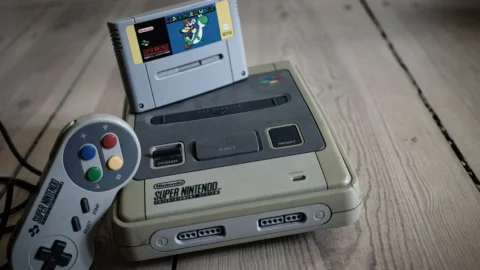
The Super Nintendo chose a softer approach with its startup sound. It felt welcoming and calm, almost friendly in nature. That tone perfectly reflected Nintendo’s focus on creativity and accessibility.
Booting up the SNES always felt comforting. It was the audio equivalent of settling into something familiar and dependable. That gentle sound still carries a sense of warmth and reassurance.
PlayStation One and the Birth of Cinematic Gaming
Sony completely changed expectations with the original PlayStation startup. Its deep, echoing tones felt mysterious and serious, more like a movie studio logo than a toy. That sound made it clear gaming was entering a new era.
The sequence created anticipation through atmosphere rather than volume. It suggested mature themes, expansive worlds, and technical ambition. No other startup sound made gaming feel so cinematic at the time.
Nintendo 64 and Playful Identity
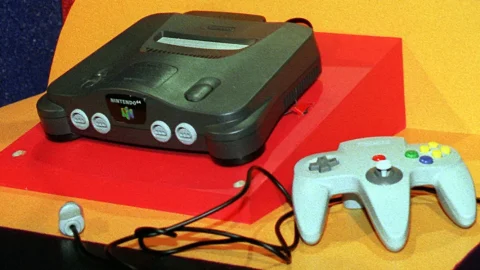
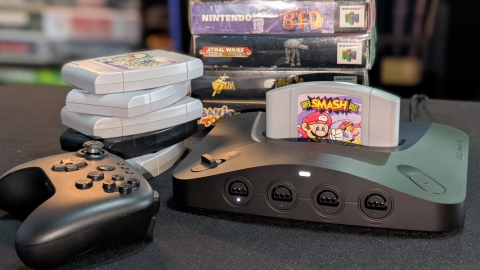
The Nintendo 64 greeted players with a playful, almost mischievous sound. It reflected Nintendo’s continued focus on fun and experimentation. That audio cue always felt lighthearted and inviting.
Hearing it instantly brought to mind colorful worlds and imaginative characters. It set expectations for creativity rather than realism. That playful tone still feels uniquely Nintendo.
Sega Dreamcast and Futuristic Optimism
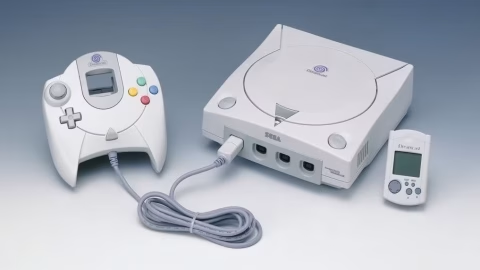
The Dreamcast startup sound felt like it came from the future. Its swirling tone and ambient quality suggested innovation and ambition. It sounded unlike anything else on the market at the time.
That sound made every boot-up feel special. It hinted at online play, arcade-quality graphics, and bold ideas. Even today, it feels like a promise that gaming was about to evolve.
GameCube and Minimalist Charm
Nintendo went minimalist with the GameCube startup, using simple tones that formed a memorable melody. The sound was playful without being overwhelming. It felt compact, just like the console itself.
That startup sequence struck a balance between fun and polish. It did not demand attention, but it rewarded familiarity. Hearing it still brings back memories of late-night sessions and shared laughter.
Xbox and the Rise of Power Branding
The original Xbox startup sound was heavy and industrial. It felt bold, aggressive, and unapologetically powerful. That sound announced Microsoft’s arrival in the console space.
Booting up the Xbox felt intense. The deep tones suggested raw power and technical strength. It was a clear signal that this console was built differently.
Handheld Startup Sounds That Still Echo
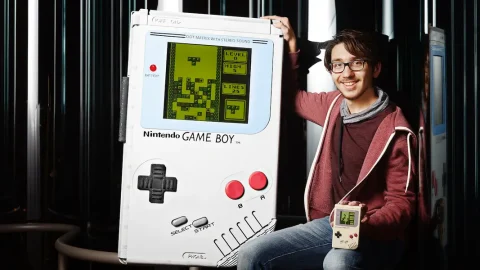
Handheld consoles had their own memorable audio moments. The Game Boy’s simple chime was instantly comforting and recognizable. It signaled portability, accessibility, and endless replayability.
Later handhelds expanded on that idea, but the emotional impact remained the same. Hearing those sounds still brings back memories of long trips and hidden gaming sessions.
Why These Sounds Still Matter Today
Startup sounds endure because they are tied to emotion rather than technology. They represent moments of escape, excitement, and identity. Modern consoles may boot faster, but they rarely linger in memory the same way.
These sounds remind me that gaming has always been about more than graphics or performance. It has been about feeling something the moment the power button is pressed. That is why a few seconds of audio can still unlock entire chapters of the past.
The Legacy of Startup Sounds in Gaming Culture
Console startup sounds helped define brands and generations. They shaped expectations and created emotional connections before gameplay even began. That influence still echoes through gaming culture today.
Even as technology moves forward, those sounds remain timeless. They are proof that small details can leave the biggest impressions. For many of us, nostalgia begins not with a game, but with the sound of a console waking up.