
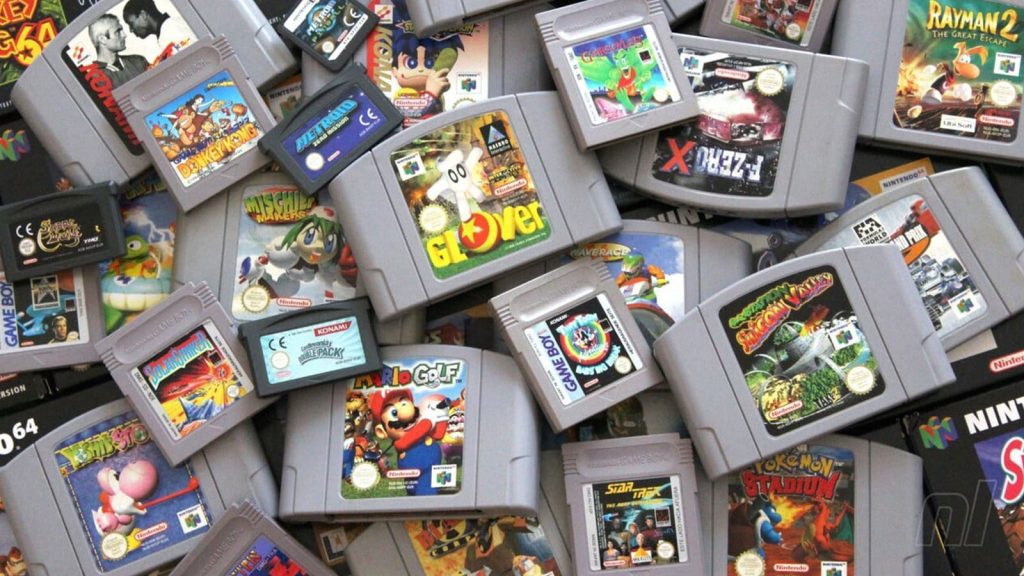
Booting up childhood favorites as an adult often comes with confidence. Muscle memory feels ready, nostalgia suggests familiarity, and the assumption is that years of gaming experience will make these old titles easier than ever. That illusion usually lasts only a few minutes. Suddenly the timing feels off, enemies seem relentless, and patience wears thin far faster than it did years ago. What once felt manageable now feels demanding in ways that are genuinely surprising.
These games did not change, but the player did. Childhood allowed endless retries, fewer distractions, and a willingness to fail repeatedly without frustration. Revisiting these classics reveals how demanding many of them truly were, especially when modern design habits no longer cushion the experience. Difficulty in these games was not optional, and time has made that reality impossible to ignore.
Why Old Games Feel Harder Now
Age changes how games are approached, even if reflexes remain sharp. Free time becomes limited, making long stretches of trial and error feel less appealing. Design elements that once seemed normal now feel harsh compared to modern conveniences like checkpoints, save states, and tutorials.
Expectations also shift. Modern games train players to expect fairness through generous systems and constant feedback. Older games often offered none of that, relying instead on memorization and persistence. That difference becomes painfully clear when a familiar title suddenly feels unforgiving rather than charming.
Super Mario Bros. and the Illusion of Simplicity
Super Mario Bros. looks simple at a glance, but its difficulty reveals itself quickly. Enemy placement demands precise timing, especially in later worlds. One mistimed jump or rushed movement can undo several minutes of careful play.
As a child, repetition felt natural and progress came gradually. As an adult, the limited continues and lack of saving amplify every mistake. The game expects mastery, not experimentation. That expectation hits harder now than it ever did before.
The Lion King and Ruthless Platforming
The Lion King became infamous for its difficulty long before players grew older. Levels like the wildebeest stampede require memorization and near-perfect timing. Visual cues often arrive too late, punishing reaction-based play.
As a kid, persistence and repetition slowly carried progress forward. As an adult, frustration builds faster because the challenge feels deliberately unfair. The realization that this difficulty was partly intentional only adds to the shock. The game remains visually stunning, but its design shows no mercy.
Contra and the Price of Precision
Contra never pretended to be gentle. Enemy patterns, fast projectiles, and instant deaths define its identity. Even with the famous extra lives code, the game demands constant focus and sharp reflexes.
Returning to Contra highlights how little room for error exists. Cooperative play once softened the difficulty, but solo attempts reveal how punishing it truly is. Muscle memory fades faster than expected, and mistakes stack quickly. The game expects perfection, not improvement over time.
Battletoads and Brutal Design Choices
Battletoads holds a legendary reputation for difficulty, and adulthood confirms that reputation was well earned. The Turbo Tunnel level alone tests reaction speed and memory to an extreme degree. One mistake often means restarting the entire sequence.
What feels different now is tolerance. As a child, retrying felt like part of the process. As an adult, the lack of checkpoints feels exhausting rather than motivating. The game’s humor and style remain appealing, but its challenge feels almost hostile.
Castlevania and Deliberate Movement
Castlevania’s difficulty comes from its deliberate pacing. Characters move with weight, and jumps commit fully once initiated. Enemies are placed to exploit hesitation and impatience.
As an adult, adjusting to that slower rhythm takes effort. Modern platformers reward constant movement, while Castlevania demands restraint. Rushing leads to punishment, and patience becomes the real test. That shift makes the game feel harder than memory suggests.
Mega Man and Pattern Dependency
Mega Man games rely heavily on pattern recognition. Boss fights demand learning specific behaviors, often through repeated failure. Levels mix platforming and combat in ways that punish hesitation.
Returning as an adult highlights how dependent success is on memorization. Improvisation rarely works, and reaction alone is not enough. Childhood allowed endless retries without pressure. Now, each defeat feels heavier, making progress feel slower despite experience.
Ghosts ‘n Goblins and Relentless Punishment
Ghosts ‘n Goblins was never forgiving, but adulthood makes its cruelty more apparent. Enemies spawn unpredictably, knockback sends characters into hazards, and armor disappears instantly after one hit. Progress requires near-flawless execution.
The game’s demand for repetition clashes with adult expectations. Losing progress feels discouraging rather than motivating. What once felt like a test of bravery now feels like a test of endurance. Its reputation as one of the hardest classics remains fully intact.
Teenage Mutant Ninja Turtles and Sudden Spikes
The NES Teenage Mutant Ninja Turtles game hides brutal difficulty behind familiar characters. Early levels feel manageable, creating a false sense of security. Later sections introduce precise jumps, limited resources, and overwhelming enemy placement.
The infamous underwater level still tests patience and precision. Time limits and instant failure conditions leave little margin for error. As an adult, the spike in difficulty feels abrupt and unforgiving. Nostalgia fades quickly when progress stalls repeatedly.
Donkey Kong Country and Deceptive Charm
Donkey Kong Country appears friendly with its colorful visuals and smooth animation. Beneath that surface lies demanding platforming and clever enemy placement. Levels require precise timing and quick reactions, especially in later worlds.
As a child, visual appeal masked frustration. As an adult, the challenge stands out clearly. Losing progress after long sections without checkpoints feels harsh. The game remains brilliant, but its difficulty no longer hides behind charm.
Aladdin and Momentum-Based Control
Aladdin on the Genesis relies heavily on momentum and precise movement. Jumps demand commitment, and enemy placement punishes hesitation. Levels encourage speed, but mistakes carry heavy consequences.
Returning now reveals how tight the controls really are. Small errors quickly snowball into lost lives. Childhood patience allowed mastery over time. Adult frustration makes that learning curve feel steeper than expected.
Punch-Out!! and Reaction Timing
Punch-Out!! tests reaction speed and pattern recognition more than raw aggression. Opponents telegraph moves subtly, requiring careful observation. Victory depends on timing rather than button mashing.
As an adult, reaction windows feel smaller. Visual cues that once seemed obvious now feel fleeting. The game demands complete focus, leaving little room for distraction. Its difficulty feels sharper now that attention is divided elsewhere.
Zelda II and Unforgiving Combat
Zelda II stands apart within its series for its difficulty. Combat relies on precise timing, positioning, and resource management. Enemies punish mistakes quickly, often overwhelming unprepared players.
Returning to this title highlights how little guidance it offers. Progress depends on experimentation and persistence. As an adult, the lack of clarity feels frustrating rather than intriguing. The game demands commitment that modern design rarely requires.
Street Fighter II and Artificial Intelligence Pressure
Single-player modes in Street Fighter II expose how aggressive early fighting game AI can be. Opponents react instantly and exploit openings with brutal efficiency. Victory requires knowledge of mechanics rather than reflex alone.
Childhood victories often came through repetition and familiarity. As an adult, patience wears thin when matches feel unfair. The game expects understanding of spacing and timing that casual play does not provide. That expectation feels heavier now than before.
Why Patience Matters More Than Skill
Many of these games are not just hard, they are demanding of patience. Success often comes from repeated failure and memorization rather than spontaneous skill. Childhood allowed time for that process without pressure.
Adult responsibilities shorten tolerance for repetition. Failure feels more frustrating when time is limited. These games expose how much patience once contributed to success. Skill alone is rarely enough without the willingness to persist.
Modern Habits and Old Design
Modern games train players to expect constant rewards and progress. Autosaves, checkpoints, and forgiving mechanics reduce frustration. Returning to older games removes those safety nets entirely.
This contrast makes classic difficulty feel harsher. The design was not meant to be cruel, but it was uncompromising. Accepting that difference requires a mental adjustment. Without it, frustration quickly replaces enjoyment.
Rediscovering Respect for Old Challenges
Revisiting these games builds respect for what they demanded. Developers assumed players would learn through failure rather than instruction. Success was earned through repetition and mastery.
That design philosophy feels foreign now, but it shaped generations of players. These games rewarded dedication over convenience. Recognizing that intent helps reframe frustration into appreciation.
Playing With a Different Mindset
Approaching these classics as an adult requires changing expectations. Progress may be slow, and success may take multiple sessions. Accepting failure as part of the experience restores some of the original enjoyment.
Taking breaks and pacing playtime helps reduce frustration. These games were not designed for short bursts. Giving them space to breathe makes their difficulty feel purposeful rather than punishing.
Final Thoughts
Childhood classics feel harder now not because they changed, but because life did. Time, patience, and expectations have shifted. These games reveal how demanding early design truly was when stripped of nostalgia.
Revisiting them offers a reminder of how much perseverance once mattered. They challenge not just reflexes, but mindset. Facing that difficulty again creates a deeper appreciation for what these classics accomplished and why they continue to be remembered.