
Retro games built their reputations on challenge. Limited continues, unforgiving enemy patterns, and tight platforming made victory feel earned rather than granted. Yet the difficulty of those games was not shaped by cartridges alone. Accessories played a huge role in whether a session felt manageable or brutally punishing.
Over the years, I have experimented with everything from arcade sticks and turbo controllers to light guns, memory cards, and oversized joysticks. Some genuinely improved my performance and extended my enjoyment. Others complicated simple mechanics and made already tough games feel nearly impossible. Looking back, certain accessories stand out as game changers, for better or worse.
Turbo Controllers And The Power Of Rapid Fire
Turbo controllers were among the most influential retro accessories. By allowing a button to register repeated presses while held down, they transformed games built around rapid tapping. In shooters like Gradius or 1942, the difference was immediate and dramatic.
Instead of hammering the fire button until my thumb ached, I could hold it and focus on dodging enemy patterns. That small shift reduced fatigue and allowed more precise movement. Difficult stages became manageable because my attention was no longer split between offense and endurance.
At the same time, turbo sometimes removed tension from certain experiences. Boss fights designed around rhythmic firing lost some intensity. The accessory made games easier, but it also subtly altered their intended pacing.
The NES Advantage And Arcade-Style Joysticks
The NES Advantage was bold, oversized, and impossible to ignore. Styled like an arcade control panel, it promised to bring the arcade experience home. For certain genres, it delivered.
In shooters and sports games, the joystick provided a satisfying sense of control. Moving a physical stick felt different from pressing a D-pad, and for some titles, that tactile shift improved precision. The large buttons were comfortable during extended sessions.
However, in platformers that required quick directional taps, the joystick felt slower and less exact. Games like Ninja Gaiden demanded split-second adjustments that the bulky stick sometimes struggled to deliver. The accessory elevated some experiences while complicating others.
The Game Genie And Breaking Difficulty Curves
Few accessories altered retro gaming more dramatically than the Game Genie. By modifying code on the fly, it allowed infinite lives, level skips, and other powerful adjustments. Suddenly, games that once felt insurmountable opened up.
I remember using it to explore later stages of notoriously difficult titles. Seeing new environments without grinding through earlier levels felt liberating. It transformed frustration into curiosity.
Yet the Game Genie also removed the satisfaction of overcoming genuine challenge. Completing a game with cheats never felt quite as rewarding. It made retro games easier in the most direct sense, but it also changed the emotional payoff.
Memory Cards And The Gift Of Progress
Early consoles like the PlayStation introduced memory cards that revolutionized accessibility. Instead of replaying long stretches after powering off, I could save progress and return later. For RPGs and lengthy adventures, this feature changed everything.
Games became less intimidating because progress felt secure. I could experiment, explore side quests, and take risks without fearing total loss. The accessory reduced the time pressure that defined many earlier systems.
On the other hand, reliance on memory cards introduced new anxieties. Corrupted saves or misplaced cards could erase hours of work. What made gaming easier in one sense added vulnerability in another.
Light Guns And Precision Challenges
Light guns brought arcade-style shooting home. Titles like Duck Hunt and Time Crisis felt immersive in ways standard controllers could not replicate. Holding a plastic gun and aiming at the screen created a sense of physical engagement.
In well-calibrated setups, light guns could make aiming more intuitive. Rapid reactions translated directly into on-screen results. For some players, that immediacy improved performance.
However, they also introduced complications. Room lighting, screen type, and positioning affected accuracy. A slight misalignment could make simple shots frustratingly inconsistent. What promised realism sometimes delivered unexpected difficulty.
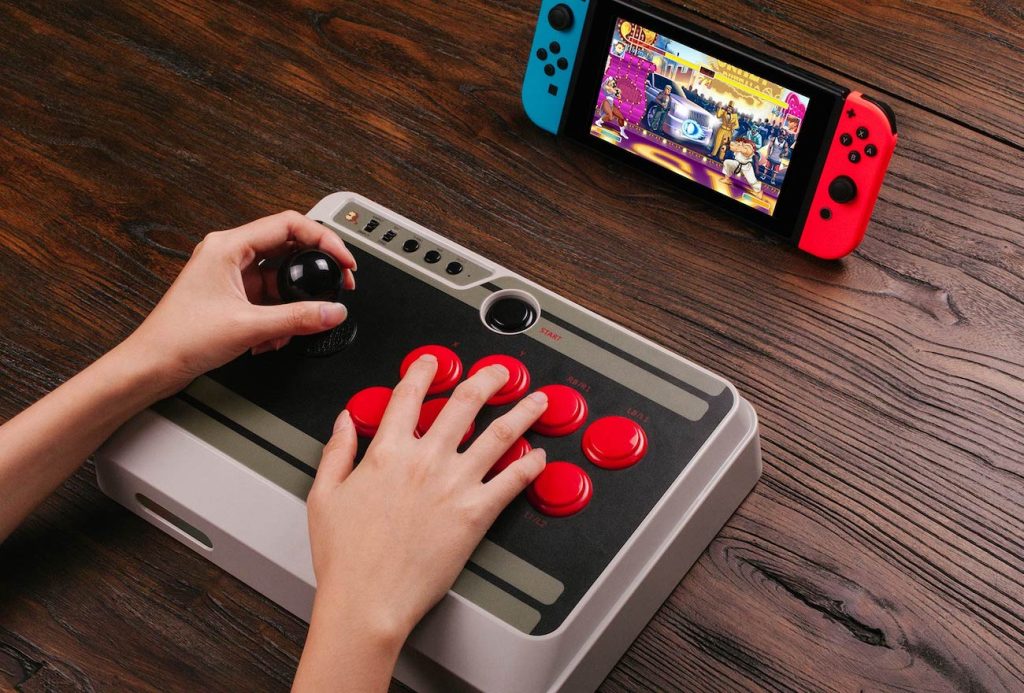
Arcade Sticks And Competitive Precision
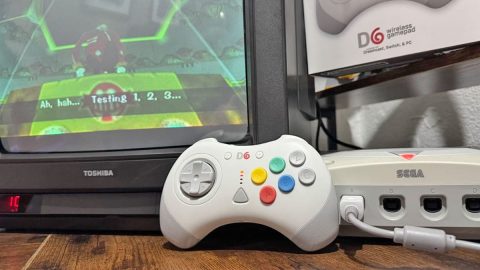
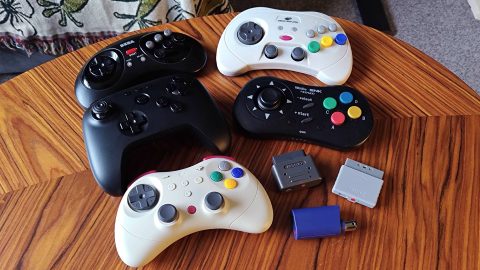
High-quality arcade sticks for consoles like the Sega Saturn and PlayStation catered to fighting game enthusiasts. With large buttons and responsive joysticks, they mirrored arcade cabinets closely.
In fighting games, the difference was noticeable. Quarter-circle motions and complex combos felt more natural on a proper stick. My hands adapted quickly, and execution improved with practice.
Yet arcade sticks demanded space and a stable surface. Playing casually on a couch was awkward. For platformers or RPGs, the layout felt excessive. They excelled in specific genres but complicated others.
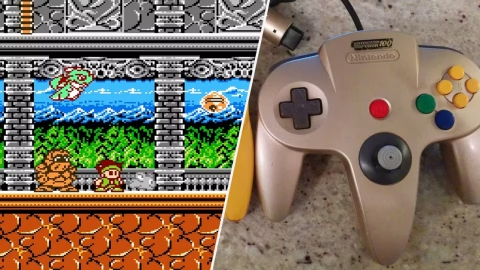
The Nintendo 64 Rumble Pak
The Rumble Pak added tactile feedback to Nintendo 64 games. Feeling the controller vibrate during explosions or collisions deepened immersion. It did not necessarily make games easier, but it changed how I perceived them.
In some cases, rumble provided subtle cues. Vibrations hinted at nearby dangers or successful hits. Those physical signals added another layer of feedback that could influence decision-making.
The trade-off came in weight and battery usage. The controller became heavier, and swapping batteries became part of the routine. What enhanced immersion also added minor inconvenience.
Strategy Guides And Printed Solutions
While not hardware in the traditional sense, printed strategy guides functioned as powerful accessories. They provided maps, enemy patterns, and hidden item locations. With a guide beside me, daunting games felt less mysterious.
Complex RPGs became manageable when I knew where to go next. Puzzle-heavy adventures lost their most frustrating elements. Information turned confusion into clarity.
At the same time, relying too heavily on guides diminished discovery. Solving a puzzle through experimentation carried a different satisfaction than reading the answer. The accessory simplified progression but reduced surprise.
Multitaps And The Chaos Of More Players
Multitap adapters allowed additional controllers on systems with limited ports. Suddenly, four-player sessions became possible on consoles that originally supported two.
For party games and competitive sports titles, this accessory enhanced accessibility. More friends could join without rotating turns. Social sessions felt fuller and more dynamic.
Yet multiplayer intensity often increased difficulty. Facing multiple human opponents made victory harder. The accessory made participation easier but raised the competitive bar significantly.
Aftermarket Controllers With Autofire And Macros
Certain third-party controllers included advanced autofire or programmable macros. These features automated complex inputs, reducing physical strain and simplifying repetitive actions.
In shooters and beat-em-ups, autofire maintained consistent attack output. In some fighting games, macro buttons executed combinations with a single press. These tools clearly lowered difficulty barriers.
However, they also disrupted balance in competitive settings. Using macros against opponents with standard controllers created uneven conditions. Accessibility improved for individuals but complicated fairness.
Screen Magnifiers And Visual Adjustments
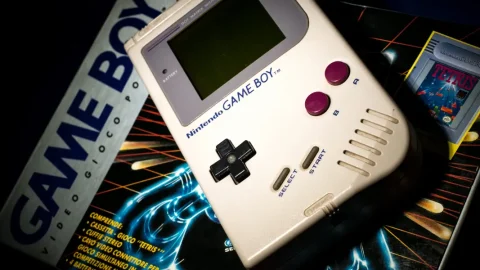
Handheld accessories like screen magnifiers for the Game Boy aimed to enhance visibility. Enlarging the tiny display reduced eye strain and made small details easier to discern.
In text-heavy RPGs or fast-paced action titles, clearer visuals improved reaction time. I could spot enemies and hazards more quickly with better visibility.
Some magnifiers, though, introduced distortion or glare. The added bulk also made handheld consoles less portable. What solved one issue occasionally created another.
Save State Devices And Modern Add-Ons
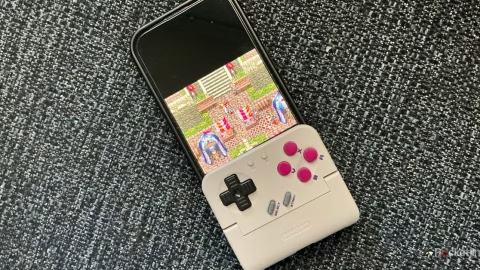
Modern retro accessories sometimes include save state functionality. Devices that plug into cartridge slots or connect through external modules allow instant saving at any moment.
This feature dramatically lowers difficulty. Hard platforming sections become manageable when I can retry instantly from the same spot. Long boss fights lose their punishing edge.
At the same time, constant save states alter pacing. Games designed around tension and limited retries feel fundamentally different. The accessory grants control but reshapes the intended rhythm.
The Psychological Effect Of Accessories
Accessories influence more than mechanics. They shape mindset. Holding a specialized controller or activating a cheat device changes how I engage with a game.
With turbo enabled or infinite lives active, I play more boldly. Without those aids, I proceed cautiously. The accessory alters not just difficulty but behavior.
That psychological layer matters. Retro gaming often blends nostalgia with challenge, and accessories can amplify or soften either element depending on how they are used.
Final Thoughts
Accessories that made retro games easier—or harder—did far more than add convenience. They reshaped mechanics, altered pacing, and influenced how I interacted with classic titles. Turbo controllers reduced physical strain but shifted balance. Cheat devices unlocked hidden content but diminished hard-earned victories. Arcade sticks elevated certain genres while complicating others.
The impact of these tools depends on intention. Used thoughtfully, they expand accessibility and experimentation. Used excessively, they can dilute challenge or disrupt fairness. Retro gaming thrives on adaptability, and accessories reflect that flexibility. They remind me that the experience of a game is never defined solely by its cartridge, but also by the tools I hold in my hands and the choices I make alongside them.