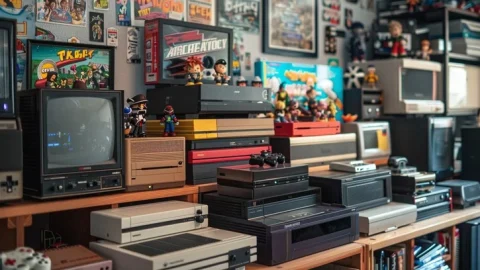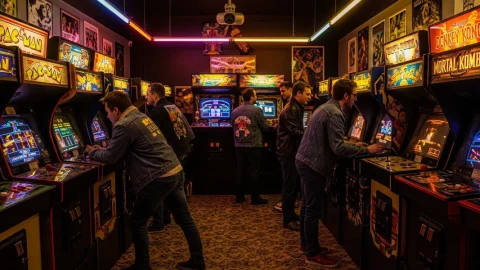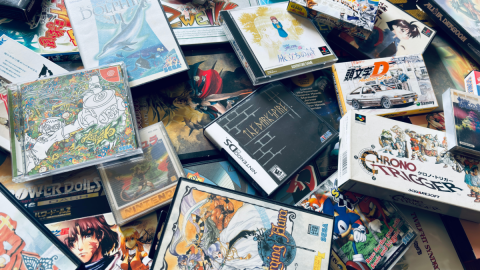

Old cartridges and dusty consoles sit on my shelves like fragments of a digital past that could easily have vanished. Each time I slide a cartridge into place or power on a restored system, I feel like I am doing more than playing a game. I am participating in the preservation of something fragile, something that was never designed to last decades. Retro gaming, for me, has become a quiet act of digital preservation.
Video games are unlike books or films in one crucial way. They rely on hardware, software, and interactivity working together in precise harmony. If one element fails, the entire experience can be lost. That delicate balance is exactly why retro gaming matters beyond nostalgia. It protects interactive history from fading into obscurity.
Games as Cultural Artifacts
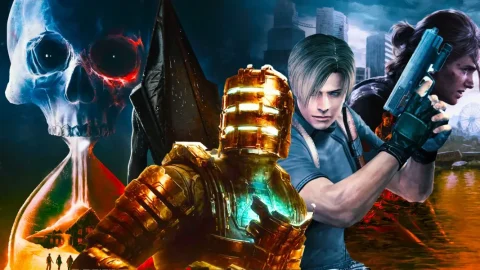
Video games reflect the values, technology, and creativity of their time. A platformer from the 1980s carries traces of arcade influence and hardware limitations. A 16-bit RPG reveals evolving storytelling ambitions and expanding technical possibilities.
I see these games as cultural snapshots. They capture design philosophies, artistic trends, and even social attitudes embedded within their mechanics and narratives. Preserving them means safeguarding a record of how interactive media evolved alongside society.
Unlike traditional art forms, games were not always treated with the same reverence. Early developers rarely anticipated that their work would be studied decades later. As a result, documentation was inconsistent, and physical materials were not always archived carefully. Retro gaming communities now fill that gap, ensuring that these artifacts remain accessible.
The Fragility of Physical Media
Cartridges corrode, discs scratch, and internal batteries die. Hardware components degrade over time, especially when left unused or stored improperly. The physical nature of retro gaming adds charm, but it also introduces vulnerability.
I have opened cartridges to replace aging save batteries and cleaned oxidized contacts to revive unresponsive games. These small acts feel like restoration projects rather than routine maintenance. Without intervention, many of these titles would become unplayable relics.
Preservation requires vigilance. Climate control, proper storage, and routine testing become part of the hobby. Collecting shifts from acquisition to stewardship. Each functioning console and cartridge becomes a small victory against entropy.
Emulation and Its Role
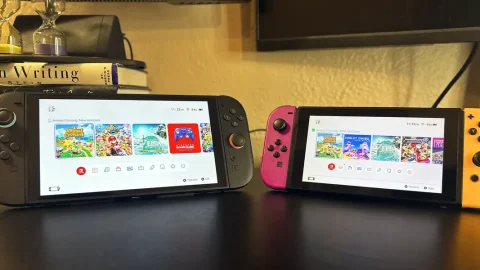
Emulation has transformed digital preservation efforts. By replicating hardware behavior in software, emulators allow older games to run on modern systems. This approach ensures that gameplay experiences survive even if original hardware becomes scarce.
I appreciate how emulation broadens access. Not everyone can afford rare cartridges or maintain aging consoles. Emulators provide a practical solution for experiencing historic titles without physical constraints.
Yet emulation also sparks debates. Authenticity matters to many enthusiasts, including me. The feel of original controllers and the subtle quirks of CRT displays contribute to the experience. Still, from a preservation standpoint, emulation serves as an essential safety net. It protects gameplay data from total loss.
The Importance of Documentation
Preserving games extends beyond software and hardware. Manuals, box art, promotional materials, and developer interviews provide context that enriches historical interpretation. Without these elements, part of the story remains incomplete.
I enjoy flipping through original instruction booklets, noticing artwork and backstory details that shaped my early impressions. These materials offer insight into marketing strategies and player expectations of the time. Digital scans and archival efforts help ensure that such content is not forgotten.
Community-driven databases catalog release dates, regional differences, and technical specifications. That meticulous documentation transforms scattered memories into structured knowledge. It allows future generations to trace the evolution of genres and design techniques with clarity.
Community Efforts and Grassroots Preservation
Large institutions have begun recognizing the importance of game preservation, but much of the work started at a grassroots level. Hobbyists, collectors, and programmers collaborated to dump ROMs, repair hardware, and share technical knowledge.
I have witnessed online forums where members troubleshoot obscure hardware issues together. Someone across the world might provide a solution that revives a seemingly dead console. That collective dedication reflects a shared belief that these experiences are worth saving.
Grassroots preservation often moves faster than formal institutions. Passion drives individuals to invest time and resources without financial incentive. This community spirit has been instrumental in rescuing countless titles from obscurity.
Regional Variations and Lost Versions
Different regions often received unique versions of the same game. Localization changes, altered graphics, and even gameplay adjustments created distinct experiences. Preserving only one version risks overlooking important variations.
I find it fascinating to compare regional releases, noticing subtle differences that reveal cultural considerations. These variations highlight how developers adapted content for diverse audiences. Digital preservation must account for these distinctions to present an accurate historical record.
Some games never saw wide distribution and exist only in limited quantities. Prototypes, beta builds, and unreleased titles occasionally surface through private collections. Each discovery adds depth to gaming history, reminding me how much remains hidden or undocumented.
Hardware Restoration as Historical Care
Restoring old consoles requires patience and technical knowledge. Capacitors leak, solder joints weaken, and screens dim. Reviving aging hardware feels like restoring a vintage instrument.
I have replaced parts in older systems, carefully testing connections to ensure stability. The process connects me directly to the engineering decisions of decades past. It fosters appreciation for the craftsmanship that made these machines durable enough to survive.
Hardware preservation ensures authenticity. Emulation preserves code, but original consoles preserve physical context. The sound of a cartridge clicking into place and the glow of a CRT screen recreate conditions under which the games were originally experienced.
Digital Decay and Obsolescence
Modern digital platforms introduce new preservation challenges. Online services shut down, downloadable content disappears, and digital storefronts close. Retro gaming highlights the importance of proactive preservation before access vanishes.
I have watched digital-only titles disappear when servers went offline. Without physical copies or archived files, those experiences become inaccessible. Retro preservation efforts remind us that digital media is not inherently permanent.
The concept of digital decay extends beyond hardware failure. File formats become obsolete, and proprietary systems lock content behind inaccessible frameworks. Addressing these risks requires foresight and collaboration between developers, archivists, and enthusiasts.
Legal and Ethical Dimensions
Preserving games often intersects with legal complexities. Intellectual property laws can restrict distribution of ROMs and archived materials. Balancing respect for creators with the need to preserve cultural history presents ongoing challenges.
I recognize the importance of supporting developers and rights holders. At the same time, abandoned titles with no commercial availability raise questions about accessibility. If a game is no longer sold or supported, preserving it becomes a matter of cultural responsibility.
Constructive dialogue between communities and rights holders can foster sustainable solutions. Official re-releases, digital archives, and partnerships with museums demonstrate that preservation and legality do not have to conflict.
Educational Value of Retro Games
Older games offer educational insights into programming, art, and design evolution. Students studying game development benefit from examining early mechanics and technical constraints. These titles function as case studies in efficiency and creativity.
I often reflect on how much developers accomplished with limited resources. Studying those achievements deepens respect for foundational design principles. Retro games teach problem-solving and innovation through necessity.
Educational institutions increasingly incorporate classic games into curricula. By analyzing code structures and gameplay systems, students gain perspective on how modern tools evolved. Preservation ensures these teaching resources remain accessible.
Emotional Continuity and Collective Memory
Retro gaming preserves more than data. It safeguards emotional experiences shared across generations. Revisiting a classic title connects me to specific moments in my life and to others who shared similar journeys.
These collective memories shape cultural identity within gaming communities. Discussions about favorite levels or challenging bosses reveal common threads that bind players together. Preservation sustains those shared reference points.
Without active efforts to maintain access, future players might only encounter fragmented accounts of these experiences. Ensuring playability allows new audiences to engage directly with history rather than relying solely on secondhand narratives.
The Future of Digital Preservation Through Retro Gaming
Technology continues evolving, but preservation remains an ongoing responsibility. As consoles from the early 2000s age, they enter the realm of retro status. The cycle repeats, reminding me that preservation is never complete.
Collaborative initiatives between collectors, archivists, and developers hold promise. Cloud backups, open-source tools, and institutional archives can complement grassroots efforts. Each approach strengthens the overall preservation framework.
I believe retro gaming will remain central to digital preservation efforts. Enthusiasts possess both technical skills and emotional motivation. Their passion ensures that preservation remains active rather than reactive.
Final Thoughts
Retro gaming stands as a powerful form of digital preservation. It protects interactive art from physical decay, technological obsolescence, and cultural amnesia. My involvement in retro gaming feels purposeful because it contributes to safeguarding experiences that shaped the medium.
Games are not disposable entertainment. They are creative expressions and historical records. Preserving them honors the developers who built them and the communities who embraced them.
Each restored console and archived file represents a small victory for digital history. Through retro gaming, preservation becomes personal, tangible, and ongoing. That commitment ensures that interactive worlds from decades past continue to live, breathe, and inspire.