
Cardboard boxes that once gathered dust in bedroom closets now sell for prices that rival modern consoles. Loose cartridges rescued from flea market bins are sealed in acrylic cases and treated like museum artifacts. I have watched this transformation unfold in real time, and it still amazes me how quickly retro gaming shifted from outdated hobby to serious collector’s market. What used to be a casual hunt for childhood favorites has evolved into auctions, grading companies, price charts, and heated debates about authenticity.
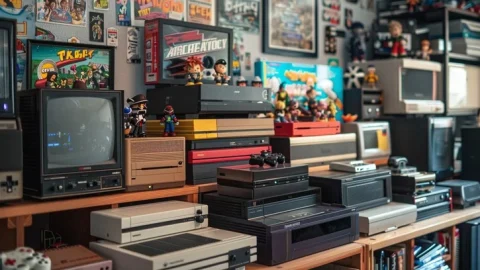
Retro gaming did not become a collector’s market overnight. The shift happened gradually, fueled by nostalgia, scarcity, internet communities, and a growing respect for video games as cultural history. My own shelves tell that story. What began as a simple attempt to replay a few classics slowly turned into a deliberate effort to preserve pieces of gaming history before they vanished into private vaults or skyrocketed beyond reach.
From Secondhand Bargains to Coveted Artifacts
I remember walking into small game shops years ago and seeing stacks of NES and Sega Genesis cartridges tossed into plastic bins. Prices were low because demand was lower. Retailers treated older games as clearance items, eager to make room for the latest releases.
Over time, I noticed those same titles becoming harder to find. Copies that once cost pocket change were suddenly marked up, and rarer games disappeared entirely. Sellers began to realize that certain cartridges, especially complete-in-box editions, were no longer common. The supply was shrinking while interest was quietly growing.
The turning point came when online marketplaces expanded the reach of buyers and sellers. Instead of relying on a single local shop, collectors could browse listings from across the world. That broader exposure created competition, and competition drove prices higher. Retro games were no longer leftovers from a previous era. They became sought-after artifacts tied to personal memories and limited production runs.
Nostalgia as Economic Fuel
Nostalgia sits at the heart of the retro gaming collector’s market. Many collectors, myself included, are adults who grew up in the 80s and 90s. We now have disposable income that we did not have as kids, and we are willing to spend it reclaiming the experiences that shaped us.
Replaying a childhood favorite is not just about gameplay. It is about reconnecting with a specific time in life, often associated with fewer responsibilities and stronger social bonds. That emotional pull translates into economic demand. When thousands of people feel the same longing, the market responds.
I have felt that internal tug while browsing listings late at night. A familiar cover art image can trigger memories of friends on the living room floor, arguing over whose turn it was next. That emotional reaction makes it easier to justify higher prices, especially for pristine copies that look exactly like they did decades ago. Nostalgia transforms cardboard and plastic into something deeply personal, and that personal value fuels the collector’s economy.
The Role of Scarcity and Condition
Scarcity plays a massive role in shaping the retro gaming collector’s market. Many older games were produced in limited quantities, especially niche titles or late releases on aging consoles. Some cartridges were discarded, damaged, or lost over time, further reducing available supply.
Condition amplifies scarcity. A loose cartridge is one thing, but a complete-in-box copy with original manuals and inserts is far rarer. Sealed games, untouched since release, are even more elusive. The difference in value between these conditions can be dramatic, sometimes reaching into thousands of dollars.
I have learned to pay attention not only to the game itself but also to its packaging. Minor creases, faded colors, or missing inserts can significantly impact price. That meticulous focus on condition mirrors other collector markets like comics or trading cards. Retro gaming adopted similar standards, and grading services formalized the process by assigning numeric scores to sealed games. This added a layer of legitimacy and investment appeal that pushed prices even higher.
Online Communities and Market Transparency
The rise of forums, social media groups, and dedicated websites changed everything. Price tracking tools made it easier to monitor trends, and collectors began sharing knowledge about rare variants, misprints, and regional exclusives. Information that once circulated among small local groups became accessible worldwide.
I have spent countless hours reading discussions about specific print runs or subtle differences between label designs. That collective expertise reduced uncertainty and empowered buyers. When more people understand what is rare and what is common, the market becomes more efficient, and values stabilize around shared expectations.
Transparency also intensified competition. A rare listing no longer went unnoticed. Within minutes, multiple bidders could jump in, driving up the final sale price. The internet connected collectors who might never have crossed paths otherwise, and that connectivity transformed retro gaming from a niche pastime into a global marketplace.
The Influence of Content Creators
YouTube channels, Twitch streams, and retro gaming blogs played a significant role in elevating older games to collector status. Content creators showcased hidden gems, reviewed obscure titles, and documented their own collection journeys. That exposure introduced new audiences to games they had never considered before.
I have discovered several titles through passionate video essays and collection tours. Watching someone highlight the history and uniqueness of a game can spark curiosity that turns into demand. Once viewers decide they want that same cartridge on their shelf, prices often follow.
Content creators also normalized the idea of collecting as a serious hobby. Displaying organized shelves, protective cases, and detailed cataloging systems made retro game collecting feel intentional rather than accidental. It became acceptable, even admirable, to treat old games as valuable cultural artifacts worthy of preservation.
Investment Culture and Speculation
At some point, retro gaming crossed into investment territory. Headlines about record-breaking auction sales attracted mainstream attention. Suddenly, sealed copies of iconic games were selling for staggering amounts, drawing in buyers who saw potential financial returns.
I watched this phase with mixed feelings. On one hand, rising prices validated the importance of retro gaming history. On the other hand, speculation introduced volatility. Some buyers were less interested in playing or preserving games and more focused on flipping them for profit.
Investment culture tends to amplify price spikes. When people believe a market will continue rising, they rush in, further pushing prices upward. Retro gaming experienced that surge, especially during periods when more people were staying home and rediscovering old hobbies. While not all speculation is harmful, it has undeniably made entry into the collector’s market more challenging for newcomers.
Regional Variants and the Hunt for Rarity
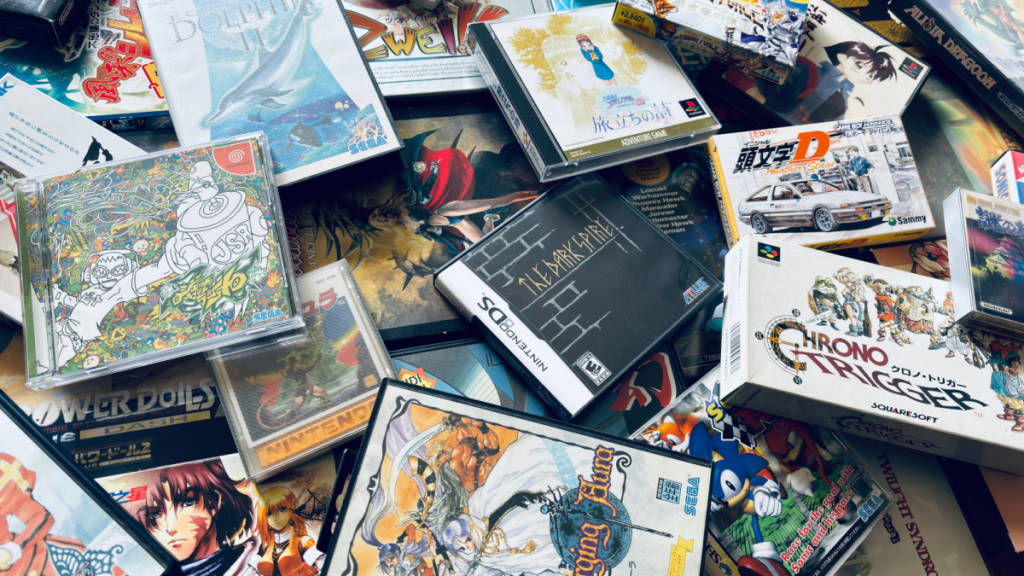
The collector’s market thrives on nuance. Regional differences between North American, European, and Japanese releases add layers of complexity. Certain titles were exclusive to specific regions, while others featured unique cover art or packaging variations.
Tracking down these variants feels like a treasure hunt. I have found myself comparing box designs, researching serial numbers, and debating whether a slight label variation constitutes a distinct collectible. That depth adds richness to the hobby, transforming it into an ongoing quest rather than a simple acquisition process.
Limited editions and promotional releases further intensify demand. Contest prizes, rental-exclusive versions, and retailer-specific bundles are particularly coveted. Their rarity often stems from circumstances that were never intended to create collectible value, which makes discovering them all the more satisfying.
Preservation and Cultural Recognition
Retro games are no longer dismissed as outdated entertainment. Museums, academic institutions, and preservation groups recognize them as important cultural artifacts. This broader recognition reinforces their legitimacy within the collector’s market.
I feel a sense of responsibility when I add an older game to my collection. Beyond personal enjoyment, there is an element of preservation. Physical media degrades, and hardware eventually fails. Owning and maintaining these items helps ensure they survive for future generations.
That preservation mindset overlaps with collecting. When people view retro games as pieces of history rather than disposable products, they are more willing to invest time and money into protecting them. Protective cases, climate-controlled storage, and careful documentation become part of the process. The collector’s market benefits from this heightened awareness of long-term value.
Physical Media in a Digital Age
Modern gaming increasingly relies on digital downloads and cloud services. In contrast, retro gaming revolves around tangible objects. Cartridges, discs, manuals, and box art offer a sensory experience that digital libraries cannot replicate.
I appreciate the ritual of sliding a cartridge into a console and hearing the familiar click. That tactile connection enhances the perceived value of physical games. As digital ownership grows more abstract, the appeal of owning something concrete becomes stronger.
This contrast between physical and digital ecosystems has strengthened the retro gaming collector’s market. People who feel disconnected from modern distribution models often gravitate toward older formats that they can hold and display. Physical media becomes both a nostalgic symbol and a form of control over one’s collection.
The Social Aspect of Collecting
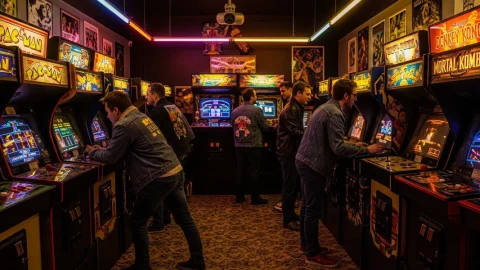
Collecting rarely happens in isolation. Trade shows, retro gaming conventions, and online meetups foster a sense of community. Conversations about rare finds and price trends create shared excitement that reinforces the market.
I have attended events where collectors proudly display recent acquisitions, sparking friendly envy and genuine admiration. Those interactions deepen engagement and encourage continued participation. The market thrives when collectors feel connected to one another.
Trading and bartering also play a role. Not all transactions involve cash. Swapping duplicate titles or negotiating bundle deals adds a human element that keeps the hobby dynamic. These social exchanges strengthen relationships while circulating games within the community.
Barriers to Entry and Market Challenges
Rising prices have introduced challenges. New collectors often struggle to afford iconic titles that were once accessible. This shift can create frustration, especially for those who simply want to play the games they missed growing up.
I have adjusted my own approach by exploring lesser-known titles and alternative platforms. Focusing solely on the most expensive games can lead to burnout. The collector’s market offers depth beyond headline-grabbing auction sales, and I find satisfaction in uncovering affordable gems that others overlook.
Authenticity is another concern. Counterfeit cartridges and reproduction boxes complicate transactions. Verifying legitimacy requires research and sometimes specialized tools. While these challenges add complexity, they also encourage collectors to become more informed and vigilant.
The Future of Retro Gaming as a Collector’s Market
The retro gaming collector’s market continues to evolve. As newer generations age, consoles from the early 2000s are beginning to enter the same cycle of nostalgia and scarcity. What feels modern today may become tomorrow’s prized collectible.
I expect the market to stabilize in some areas while expanding in others. Not all titles will maintain high values, but culturally significant games will likely retain strong demand. Interest in preservation, combined with ongoing digital shifts, suggests that physical retro games will remain relevant.
Ultimately, retro gaming became a collector’s market because it taps into emotion, history, and tangible ownership. My collection reflects more than financial value. It represents memories, friendships, and a deep respect for the artistry of early game design. Watching this hobby transform into a global marketplace has been fascinating, and participating in it has given me a front-row seat to a unique chapter in gaming history.
Retro gaming is no longer just about replaying old favorites. It is about safeguarding a legacy, navigating a complex market, and connecting with others who share the same passion. That combination ensures the collector’s market will continue to grow, adapt, and surprise us for years to come.