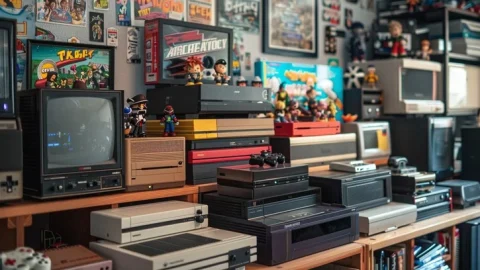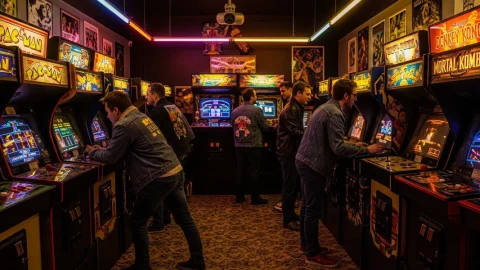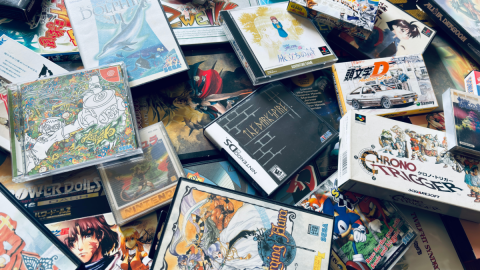

Some friendships are built around shared classes or neighborhoods. Mine were often built around a single cartridge snapped firmly into a console, its label slightly worn from overuse. Certain retro games did more than entertain us for a few afternoons. They shaped how we talked to each other, how we competed, and how we spent entire seasons of our lives.
I can trace the arc of specific friendships through the games we obsessed over together. The titles changed over time, but the pattern stayed the same. A new release would land in one of our homes, and suddenly that living room became headquarters. Those retro games did not just fill time. They defined entire friendships in ways we did not fully grasp back then.
The Fighting Game That Turned Us Into Rivals
One fighting game in particular turned a casual friendship into an ongoing rivalry. We memorized special moves until our thumbs ached and argued about tier lists before we even knew what that term meant. The sound of a perfectly timed combo landing could ignite a celebration loud enough to draw complaints from the next room.
Matches were rarely quiet. Trash talk flowed freely, but it was never truly malicious. Beneath the competition, there was respect built on hours of shared practice and mutual improvement. We pushed each other to get better without ever formally acknowledging that we were doing so.
That game defined the rhythm of our hangouts. Instead of asking what we should do, we automatically booted it up. Victories and losses blended into stories that outlasted the console generation itself.
The Co-Op Adventure That Taught Us Teamwork
Another friendship centered around a cooperative adventure that demanded patience and coordination. We navigated dungeons, solved puzzles, and survived boss fights that felt impossible on our first attempts. The shared struggle bonded us in a way casual conversation never could.
Communication became instinctive. A quick glance or a half-spoken sentence was enough to signal a strategy change. We learned how to support each other’s playstyles, covering weaknesses without turning it into criticism.
That retro game shaped how we handled challenges outside the screen. We grew comfortable dividing responsibilities and trusting each other’s instincts. The lessons carried quietly into group projects and real-life obstacles.
The Sports Title That Sparked Endless Tournaments
A particular sports game transformed weekends into unofficial tournaments. We drew brackets on scrap paper and argued over rule variations that made the matches more intense. The stakes were imaginary, but the passion was genuine.
The simplicity of the mechanics meant anyone could jump in, yet mastery separated the casual player from the dedicated one. That balance made it perfect for gatherings. Newcomers could compete, but veterans held an edge earned through repetition.
That game became shorthand within the friendship. References to specific plays or legendary comebacks required no explanation. The shared language built through those matches strengthened our connection long after we stopped playing regularly.
The Role-Playing Epic That Fueled Conversations
Not all friendship-defining games were competitive. A sprawling role-playing title once consumed months of discussion. We compared party builds, debated story twists, and speculated about hidden secrets buried deep in the game’s code.
Even when we were not actively playing, the game dominated our conversations. Lunchtime debates about character motivations felt as important as actual gameplay. We developed theories and challenged each other’s interpretations.
That retro game created a shared intellectual space. It gave us material to analyze and explore together. The friendship grew through those exchanges, deepened by a mutual investment in a fictional world.
Sleepovers and Late-Night Boss Fights
Sleepovers often revolved around a single difficult boss encounter. We would promise ourselves one more attempt, only to repeat that phrase for hours. Fatigue made mistakes funnier and victories sweeter.
The dim glow of the television and the quiet hum of the console formed the backdrop to whispered strategies. Those late-night sessions blurred the line between game and memory. The struggle against pixelated enemies felt monumental.
That retro game defined a chapter of our friendship built on persistence. We learned that shared exhaustion could transform into shared triumph. The memory of finally defeating that boss still carries emotional weight.
Racing Games and Split-Screen Tension
Split-screen racing titles introduced a different dynamic. Watching a friend’s portion of the screen added a layer of strategy and temptation. Glancing over to anticipate their next move became part of the experience.
The tension peaked during the final lap. A perfectly timed shortcut or last-second boost could flip the outcome entirely. Reactions were immediate and unfiltered, ranging from disbelief to ecstatic laughter.
That retro game defined a competitive edge in our friendship. It was intense without being destructive. The rivalry sharpened our reflexes and strengthened our bond simultaneously.
Trading, Secrets, and Hidden Discoveries
Certain retro games encouraged trading and secret sharing. We exchanged tips scribbled on notebook paper and guarded rare discoveries like valuable currency. Finding a hidden area or unlockable character elevated social status within the group.
Sharing those secrets required trust. Revealing a strategy meant giving someone else the tools to surpass you. Yet the act of sharing strengthened the friendship rather than weakening it.
That game became a collaborative treasure hunt. The excitement of discovery was amplified because it was shared. Those moments of revelation cemented the sense that we were part of something bigger than individual playthroughs.
Consoles as Social Hubs
One friend’s house often became the default gathering spot because they owned the newest console. The physical location mattered almost as much as the games themselves. Walking into that room felt like entering a familiar arena.
Controllers passed between hands without ceremony. Arguments over whose turn it was rarely lasted long. The routine of gathering, playing, and debriefing afterward became foundational to the friendship.
The retro games hosted in that space shaped the tone of our interactions. They gave structure to our time together and ensured we always had a shared focus.
The Game We Never Finished
One title stands out precisely because we never completed it. We started enthusiastically, mapped out ambitious plans, and then gradually drifted away as new interests emerged. The unfinished file remains a quiet symbol of that era.
That incomplete journey mirrors the natural evolution of friendships. Interests shift, responsibilities grow, and time becomes fragmented. The retro game remains frozen at a particular stage, capturing who we were at that moment.
Even without a proper ending, that game defined a stretch of our lives. It reminds me that shared experiences matter regardless of completion.
Laughter as the Real Score
Many of the games that defined my friendships were not technical masterpieces. Some were flawed, unbalanced, or visually rough even by their era’s standards. Yet they consistently generated laughter.
Unexpected glitches, poorly timed jumps, and accidental self-sabotage created moments that eclipsed polished design. The imperfections became part of the charm. We still reference certain absurd in-game moments years later.
Those retro games defined our friendships not because they were perfect, but because they were shared. The laughter tied to them feels inseparable from the people I played with.
Growing Apart, Growing Up
As years passed, schedules diverged and new responsibilities took priority. Consoles were upgraded, then boxed away. The intensity of those gaming sessions softened into occasional reunions.
Revisiting those retro games now carries a different emotional tone. The mechanics remain familiar, but the context has changed. We no longer measure ourselves against each other in the same way.
Yet the friendships shaped by those games persist. The shared history provides a foundation that does not require constant reinforcement. Those digital worlds anchored real-world bonds.
Final Thoughts
Retro games that defined entire friendships did more than entertain. They structured conversations, fueled rivalries, and created rituals around shared play. The cartridges and discs were physical objects, but the memories attached to them feel intangible and enduring.
Each title marked a chapter in my life and in the lives of those I played with. The games served as catalysts for connection, teaching cooperation, resilience, and even humility. Through competition and collaboration, friendships deepened naturally.
Looking back, the graphics and mechanics matter less than the people sitting beside me. Retro games became the backdrop for laughter, tension, and growth. They defined entire friendships because they gave us a shared arena where we could challenge, support, and truly understand each other without needing to say it out loud.