
Four controllers stretched across the living room floor, their cords twisted together like vines, and nobody cared. The television hummed, the console ran hot, and the room filled with overlapping voices arguing about whose fault it was that we lost. That chaos felt electric, alive in a way that online lobbies rarely capture. The golden age of couch co-op was not just about multiplayer modes, but about proximity, shared space, and the raw energy of playing side by side.
Back then, multiplayer was not a feature buried in a menu. It was often the main event. Games were designed around the assumption that friends or siblings would gather in the same room. That design philosophy shaped mechanics, difficulty, and even humor, and the result was an era that still defines how I measure fun.
A Room Filled With Competition
Competition hit differently when it unfolded three feet away from my face. Trash talk carried weight because it came with eye contact and exaggerated gestures. Victories were celebrated with raised arms, while defeats led to dramatic collapses onto the couch.
Split-screen matches created tension that no headset banter could replicate. I could glance at a friend’s portion of the screen and adjust my strategy on the fly. That tiny edge felt thrilling, even if it occasionally sparked arguments about screen cheating.
The golden age of couch co-op thrived on that shared intensity. Winning mattered, but the reactions mattered more. The laughter, the mock outrage, and the triumphant shouts turned simple matches into legendary stories we retold for years.
Cooperation Built on Proximity
Not all couch experiences were competitive. Some of my strongest memories revolve around cooperative campaigns that demanded teamwork. One player would handle offense while the other focused on defense, and success required constant communication.
Sitting next to each other made coordination instinctive. A quick nudge of the elbow or a sharp inhale signaled incoming danger. We developed unspoken systems, reacting to patterns without needing lengthy explanations.
The golden age of couch co-op proved that cooperation feels different when shared physically. The bond formed through joint victories carried beyond the game. That shared struggle and success deepened friendships in subtle but lasting ways.
The Hardware That Shaped the Experience
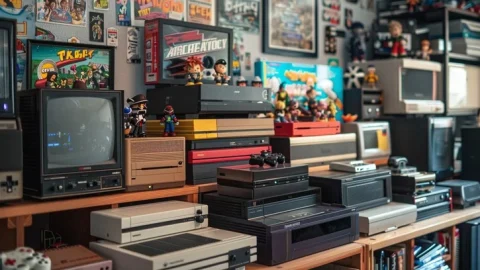
Old consoles were built with local multiplayer in mind. Multiple controller ports on the front of the system invited group play. Even the design of controllers encouraged passing them around without complicated setup.
Cords limited movement, but they also anchored us in the same space. We leaned toward the screen together, tangled wires at our feet, fully invested. The slight inconvenience of wired controllers became part of the ritual.
Cartridges and discs loaded quickly into action. No accounts needed linking, no patches downloading before a match could begin. The simplicity of setup made spontaneous sessions easy, and that spontaneity fueled countless late-night tournaments.
Shared Screens and Shared Consequences
Split-screen was more than a technical compromise. It was a shared canvas where triumph and failure unfolded simultaneously. I could see my friend’s mistakes in real time, and they could see mine.
This transparency intensified the experience. If someone crashed a vehicle or missed a crucial jump, the evidence was right there. The reactions were immediate and honest, often followed by bursts of laughter that eased any frustration.
The golden age of couch co-op thrived on this openness. Nothing was hidden behind separate devices or private feeds. The game became a communal spectacle, and that shared visibility amplified the emotional highs and lows.
Games Designed for the Living Room
Developers once prioritized mechanics that worked best in close quarters. Party games flourished because they were easy to grasp and endlessly replayable. Fighting games became staples of gatherings, turning casual hangouts into heated showdowns.
Level design often encouraged drop-in participation. A friend could pick up a controller mid-session and join the action without complex tutorials. This accessibility made couch co-op inclusive and welcoming.
The golden age of couch co-op produced titles that balanced depth with approachability. Simple controls allowed newcomers to compete, while hidden layers rewarded those willing to master the systems. That balance kept everyone engaged.
Rivalries That Grew Over Time
Friendly rivalries formed naturally in shared spaces. One friend might dominate racing games, while another excelled at platformers. These patterns shaped our group dynamics and fueled rematches.
Losing repeatedly to the same person created motivation. I studied their habits, adjusted strategies, and waited for the perfect opportunity to claim victory. When that win finally arrived, it felt monumental.
These rivalries extended beyond individual sessions. They became part of our identity as a group. The golden age of couch co-op nurtured those ongoing competitions, giving them a physical stage where pride and persistence collided.
The Soundtrack of Laughter
Game audio blended with human noise in a way that defined the era. Music and sound effects formed the backdrop to shouted warnings and exaggerated celebrations. The room itself became part of the sound design.
Silence was rare. Even during tense moments, someone would break the quiet with a nervous joke or whispered strategy. That constant exchange turned gameplay into a social performance.
The golden age of couch co-op was as much about atmosphere as mechanics. The collective laughter that followed a chaotic loss often overshadowed the disappointment. Shared humor softened frustration and reinforced connection.
Limited Technology, Unlimited Creativity
Technical constraints pushed developers to innovate within tight boundaries. Split-screen modes had to run smoothly on limited hardware, which demanded clever optimization. That effort resulted in focused experiences that prioritized gameplay over spectacle.
We did not need photorealistic graphics to feel immersed. The imagination filled in the gaps, especially when reactions from friends heightened the drama. A pixelated explosion felt enormous when everyone jumped at the same time.
The golden age of couch co-op demonstrated that powerful experiences do not require cutting-edge visuals. Creative design and strong social dynamics carried the weight, proving that fun thrives under constraint.
The Ritual of Gathering
Couch co-op sessions often required coordination. Friends had to travel, controllers had to be found, and snacks had to be shared. That preparation built anticipation before the console even powered on.
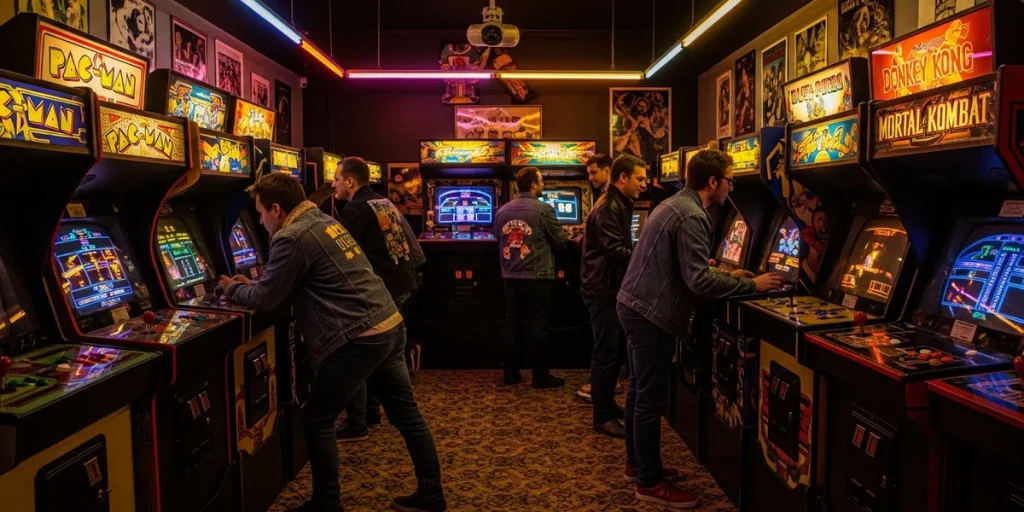
Walking into a room set up for multiplayer felt special. The television stood ready, extra chairs pulled close, and cables stretched in expectation. The space transformed into a temporary arena.
Those rituals added emotional depth to the experience. The golden age of couch co-op was not only about gameplay but about the act of coming together. The effort invested in gathering amplified the value of the time spent playing.
Why Online Play Feels Different
Online multiplayer offers convenience and global competition. I can connect with players across continents without leaving my chair. The scale is impressive, and the skill ceiling can be extraordinary.
Yet something shifts when physical presence disappears. Reactions become filtered through microphones and screens. The subtle cues of body language and shared space vanish.
The golden age of couch co-op thrived on immediacy and proximity. The energy of a room cannot be replicated by voice chat alone. Physical closeness intensifies emotion, making victories sweeter and defeats easier to laugh off.
Lessons From the Past
Couch co-op taught patience and sportsmanship in tangible ways. If tempers flared, resolution had to happen face to face. That accountability encouraged respect.
Sharing a screen also required compromise. Not everyone could play at once, so turns were negotiated. Those small negotiations built social skills that extended beyond gaming.
The golden age of couch co-op left lasting impressions on how I approach competition and collaboration. It demonstrated that play can strengthen relationships rather than isolate individuals.
Revival and Nostalgia
Modern developers occasionally revive local multiplayer modes, and I welcome those efforts. Indie games in particular have embraced the charm of shared screens and cooperative chaos. These titles remind me that the spirit of couch co-op still resonates.
Revisiting classic consoles with friends reignites familiar dynamics. The graphics may look dated, but the energy feels unchanged. Within minutes, we fall back into old patterns of teasing and teamwork.
The golden age of couch co-op may belong to a specific era, but its influence persists. Nostalgia draws me back, yet the fun remains genuine rather than purely sentimental.
The Emotional Core of Shared Play
Couch co-op anchored gaming in human connection. It transformed digital experiences into shared memories anchored in physical spaces. The screen was the focal point, but the room itself carried equal importance.
I remember specific couches, specific rooms, and even the way sunlight filtered through curtains during marathon sessions. These details intertwine with the games themselves, making the memories richer and more textured.
The golden age of couch co-op proves that fun deepens when experienced together. The combination of challenge, laughter, and proximity created moments that stand out decades later.
Final Thoughts
The golden age of couch co-op was defined by more than hardware limitations or specific titles. It was defined by people gathered in one place, united by a shared goal and a shared screen. That closeness transformed simple mechanics into unforgettable experiences.
Modern gaming offers breathtaking worlds and seamless connectivity, yet the magic of sitting shoulder to shoulder remains unmatched. The arguments, the cheers, and the spontaneous rematches created bonds that extended beyond the console.
Couch co-op captured the heart of what makes gaming powerful. It blended competition with camaraderie and turned living rooms into arenas of joy. That era continues to shape how I measure fun, reminding me that sometimes the best multiplayer experience is the one where everyone fits on the same couch.