
Reliability is the quiet backbone of retro gaming that rarely gets the spotlight it deserves. Playing classic games is one thing, but being able to return to the same console year after year without constant repairs is something else entirely. Over time, I have learned that not all retro systems age equally, and some were simply built better than others. Longevity matters when nostalgia turns into a long-term hobby rather than a passing phase.
I spend a lot of time rotating older hardware in and out of regular use. Some consoles feel fragile the moment they come out of storage, while others power on like they were used yesterday. That difference is not random. It comes down to build quality, internal design, component choices, and how forgiving the hardware is as it ages. Certain consoles have earned a reputation for reliability because they truly deserve it.
What Makes a Retro Console Reliable
Reliability in retro consoles is not just about whether they still turn on. It is about consistent performance, minimal maintenance, and resistance to common failures. Systems that avoid proprietary parts, excessive moving components, or poor ventilation tend to survive longer. Simpler internal designs often age better than complex ones.
Another factor is how well the console handles heat and power fluctuations. Older electronics were not always designed with efficiency in mind, but some manufacturers clearly took durability seriously. Consoles that run cooler and use sturdy power solutions generally last longer. Over decades, those small engineering choices make a huge difference.
The NES and Its Surprisingly Tough Hardware
The Nintendo Entertainment System has a reputation for reliability that is well earned. Despite its age, many original units still function with minimal internal repair. The motherboard itself is sturdy, and most issues stem from the cartridge connector rather than core components. Once that connector is replaced or properly cleaned, the system often runs flawlessly.
What impresses me most about the NES is how forgiving it is. Even units stored poorly for years can often be revived with basic maintenance. The lack of moving parts beyond the power mechanism works in its favor. While the design had its quirks, Nintendo clearly prioritized durability.
Super Nintendo and Balanced Engineering
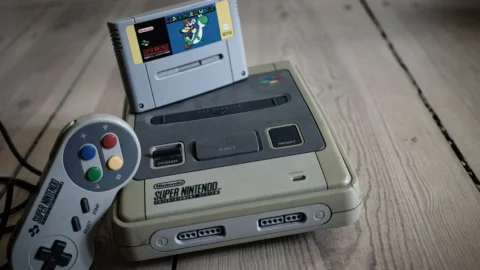
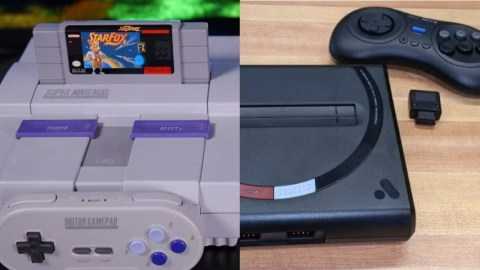
The Super Nintendo represents a step forward without sacrificing reliability. Its internal design is clean and efficient, and the console runs relatively cool. Unlike some later systems, it does not push its components to extreme limits. This balance has helped it age gracefully.
I find SNES consoles to be remarkably consistent across different production runs. While certain chips can fail over time, these issues are not widespread. With proper care, an SNES can handle decades of regular play. That reliability makes it one of the safest investments for long-term retro gaming.
Sega Genesis and Its Industrial Strength Design
The Sega Genesis feels like a console built with confidence. Its internal components are robust, and the system was designed to handle long play sessions. Heat dissipation is handled well, and power delivery remains stable even after years of use. These factors contribute heavily to its longevity.
What stands out to me is how rarely Genesis consoles suffer from catastrophic failure. When issues do arise, they are often related to easily replaceable parts like capacitors. The core hardware tends to hold up extremely well. Sega may have had marketing bravado, but the hardware backing it was solid.
Game Boy and the Power of Simplicity
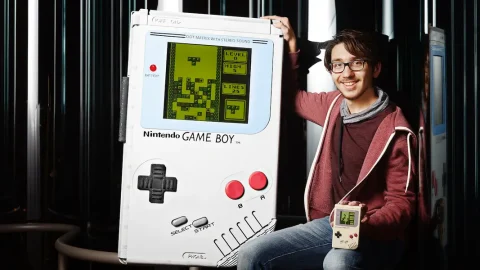
The original Game Boy is one of the most reliable gaming devices ever made. Its design prioritizes efficiency, durability, and low power consumption. The monochrome screen and modest hardware place very little stress on internal components. As a result, failures are surprisingly rare.
I have seen Game Boys survive drops, spills, and years of neglect. Even when cosmetic damage is severe, the system often still works. This level of toughness was intentional. Nintendo designed it to be portable in the truest sense, and that philosophy paid off long-term.
Game Boy Advance and Refined Portability
The Game Boy Advance continued that tradition of reliability while increasing complexity. Despite being more powerful, it retained a relatively simple internal layout. The lack of a backlit screen in early models reduced heat and power strain. This helped preserve internal components.
In my experience, GBA systems age extremely well. Button contacts may need cleaning, and screens can show wear, but the core hardware remains dependable. It is a handheld designed to be used constantly without falling apart. That durability makes it ideal for long-term play.
PlayStation One and Unexpected Longevity
The original PlayStation might not look especially rugged, but it has proven to be surprisingly reliable. Early models in particular were built with sturdy components. While the disc drive is the most vulnerable part, even that tends to last longer than expected. Many systems continue to function with their original laser.
What helps the PlayStation is its relatively cool operation. It does not push its hardware aggressively, which reduces wear over time. Replacement parts are also widely available, making maintenance easier. That combination keeps the system viable decades after release.
Nintendo 64 and Minimalist Strength
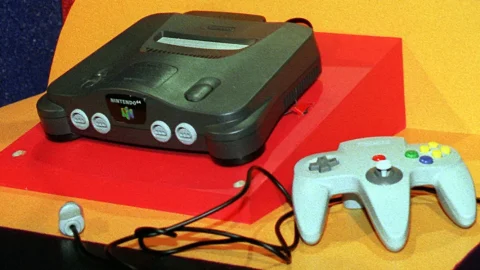
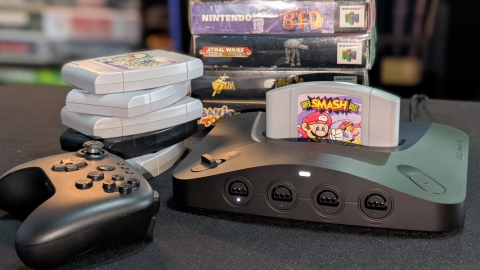
The Nintendo 64 is another console that benefits from simplicity. Its cartridge-based design eliminates disc drive failures entirely. The system generates little heat and has a straightforward internal layout. These qualities contribute heavily to its long-term reliability.
I rarely encounter N64 consoles that fail completely. Most issues involve power supplies or connectors rather than the motherboard itself. Once those are addressed, the console tends to run indefinitely. It is one of the most dependable home consoles ever made.
Sega Saturn and Overengineered Hardware
The Sega Saturn is often criticized for its complexity, but that same complexity contributes to durability. Sega used high-quality components throughout the system. The result is hardware that feels overengineered compared to many competitors. While development was difficult, the physical console holds up well.
From a reliability standpoint, the Saturn is impressive. Disc drives remain stable, and internal components age slowly. It is not immune to issues, but failures are less common than expected. Proper ventilation and solid construction keep it running strong.
Dreamcast and a Mixed Reliability Story
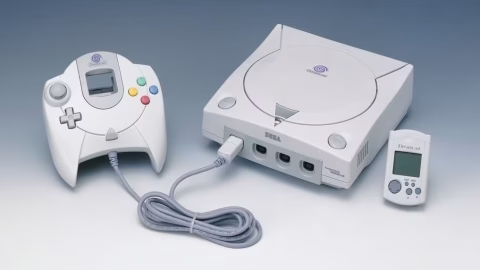
The Dreamcast sits in an interesting middle ground. Its main hardware is relatively durable, but certain components are more failure-prone. The optical drive and power supply can develop issues over time. Despite this, many units continue to operate without major problems.
What helps the Dreamcast is its ease of repair. Components are accessible, and replacements are available. While it may not be the most reliable console ever made, it remains serviceable long-term. With basic maintenance, it can still be a dependable system.
PlayStation 2 and Mass Production Challenges
The PlayStation 2 sold in massive numbers, which means reliability varies by model. Early versions were built sturdier than later cost-reduced models. Disc drives are the most common failure point, especially after heavy use. Heat management also varies between revisions.
Despite these issues, many PS2 consoles continue to function well. The sheer availability of parts helps extend their lifespan. I consider it moderately reliable rather than exceptional. With care, it can still serve as a long-term retro platform.
Cartridge-Based Consoles and Reliability Advantages
Cartridge-based consoles have a clear reliability advantage over disc-based systems. The absence of moving parts reduces mechanical failure. Cartridges themselves are durable and easy to clean. This design choice alone extends system lifespan significantly.
Consoles like the NES, SNES, Genesis, and N64 benefit greatly from this approach. Even when connectors wear out, they are often replaceable. The core systems rarely fail outright. That makes cartridge-based hardware ideal for consistent long-term use.
Power Supplies and Their Role in Longevity
Power supplies are often overlooked, but they play a crucial role in reliability. External power bricks tend to age better than internal units. They keep heat away from sensitive components. When they fail, replacement is usually straightforward.
I always pay attention to power quality when evaluating a console. Stable voltage reduces stress on internal components. Using proper power adapters can extend a console’s life significantly. This small detail often makes a big difference.
Maintenance and Preventative Care
Even the most reliable consoles benefit from basic maintenance. Dust buildup, dried capacitors, and dirty contacts can cause issues over time. Regular cleaning and proper storage go a long way. Preventative care is easier than major repairs.
I treat maintenance as part of the hobby rather than a chore. Taking time to clean connectors or replace aging components ensures long-term enjoyment. Reliable consoles reward that effort by continuing to perform well. The relationship feels reciprocal.
Why Build Quality Matters More Than Specs
High performance does not guarantee longevity. Consoles that push hardware to its limits often age poorly. Systems designed with headroom and conservative engineering last longer. This is especially true in retro hardware.
The most reliable consoles tend to prioritize stability over power. That philosophy results in fewer failures and more consistent performance. It also explains why some less powerful systems have outlived more advanced ones. Longevity often favors restraint.
The Emotional Comfort of Reliable Hardware
There is a unique comfort in knowing a console will work when you power it on. That reliability builds trust over time. It allows focus on games rather than troubleshooting. This emotional aspect matters more than many people realize.
I feel more connected to consoles that have never let me down. They become dependable companions rather than fragile artifacts. That trust enhances the overall experience. Reliability deepens the relationship between player and hardware.
Why Reliability Shapes Retro Gaming Habits
Reliable consoles get used more often. Fragile systems tend to stay on shelves, admired but rarely played. Over time, this shapes which consoles remain culturally relevant. Systems that endure continue to create memories.
I notice myself gravitating toward hardware I know will behave. That consistency encourages spontaneous play sessions. Reliable consoles invite use rather than caution. That accessibility keeps retro gaming alive.
Long-Term Value Beyond Collecting
Reliability adds value beyond monetary worth. A console that works reliably provides years of enjoyment. That utility often outweighs rarity or cosmetic appeal. Practical value matters just as much as collectible value.
For long-term play, reliability should be a primary consideration. Owning hardware that functions well reduces frustration. It turns retro gaming into a sustainable hobby rather than a constant repair project. That balance is important.
Why These Consoles Continue to Endure
The most reliable retro consoles endure because they were built with intention. Manufacturers prioritized durability, simplicity, and stability. Those choices allowed hardware to survive decades of use. Time has validated those decisions.
I appreciate these consoles not just for nostalgia, but for their engineering. They represent a period when hardware longevity mattered deeply. That mindset produced systems that still serve players today. Reliability is their quiet legacy.
Reliability as Part of Retro Gaming Preservation
Preserving retro gaming means preserving hardware that still works. Reliable consoles make that preservation possible. They allow future generations to experience games authentically. Without dependable hardware, that connection would fade.
I see reliable consoles as bridges between eras. They carry games forward without distortion or compromise. That role gives them importance beyond personal enjoyment. Reliability turns hardware into history.
Why Reliability Should Guide Retro Choices
For anyone serious about long-term retro gaming, reliability should guide decisions. It determines how often a console gets used and how enjoyable that use is. Flashy features matter less over time than dependable performance. Reliability supports the hobby rather than complicating it.
I return again and again to the same dependable systems for a reason. They work, they last, and they respect the time I invest in them. That consistency is priceless. In the world of retro gaming, the most reliable consoles truly stand the test of time.