
Rare console variants sit at a strange intersection of history, obsession, and pure emotion. They are not just about playing games, but about owning a piece of a moment that almost slipped through time. Some were released quietly, others tied to promotions or specific regions, and many were never meant to become legendary. Yet today, these consoles spark bidding wars, late-night forum debates, and a level of passion that only retro gaming can inspire.
What draws me to rare console variants is how accidental many of them feel. These systems were not always designed to be collectible. They became special because of timing, limited runs, or decisions that never got repeated. Each one tells a story about the industry, the market, and sometimes a company taking a strange risk that only makes sense in hindsight.
Why Console Variants Matter More Than Standard Releases
Standard retail consoles represent the mainstream history of gaming, but variants reveal the side stories. They show how companies experimented with colors, branding, and partnerships. Sometimes these experiments were region-specific, sometimes tied to a single game release. Either way, they offer a deeper look into how the industry operated behind the scenes.
Collectors chase these variants because they break the pattern. Owning one feels like stepping outside the common timeline of gaming history. These consoles often represent paths not taken, ideas not repeated, or markets that behaved differently than expected. That sense of rarity adds weight far beyond the hardware itself.
The Gold NES and the Power of Visual Identity
One of the earliest examples of a console becoming a collector obsession is the gold Nintendo Entertainment System. Released in limited numbers, this version stood apart immediately from the standard gray model. The color alone transformed a familiar system into something ceremonial. It felt less like a toy and more like an artifact.
What makes variants like this so desirable is how simple the change is. The hardware is largely the same, but the presentation alters perception completely. Gold finishes often signal prestige, and Nintendo tapped into that instinct perfectly. Even today, seeing one in person feels different than looking at a standard NES.
The Sega Genesis Wondermega and Luxury Design
The Sega Wondermega represents a different kind of rarity. It combined a Sega Genesis with a CD player into a single high-end unit. Released primarily in Japan, it was priced far above what most consumers were willing to pay. As a result, production numbers remained low.
What fascinates me about the Wondermega is how boldly it embraced luxury. This was a console designed to sit alongside premium audio equipment. Its sleek design and premium materials set it apart from anything Sega released elsewhere. Collectors value it not just for rarity, but for how confidently strange it feels.
Nintendo 64 Color Variants and Regional Exclusivity
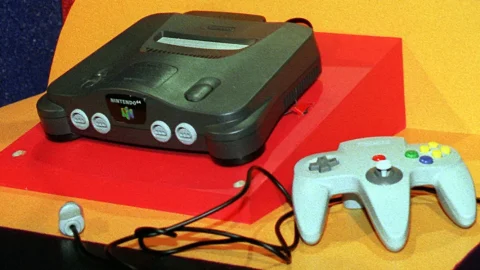
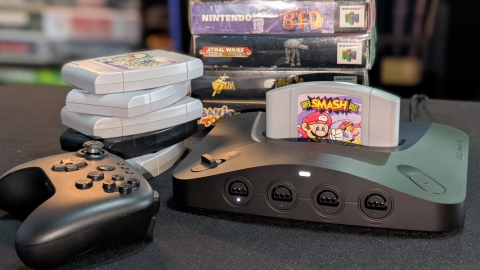
The Nintendo 64 introduced a wave of color variants that still drive collectors wild. Transparent shells, vibrant colors, and region-exclusive releases turned a single console into dozens of distinct versions. Some colors were easy to find, while others appeared only in specific countries or bundles.
The appeal here lies in variety and scarcity intersecting. Completing a full set becomes a challenge that can take years. Certain colors were released in such small numbers that sightings alone spark excitement. These variants turned the N64 into a canvas rather than just a machine.
The PlayStation 1 Net Yaroze and Developer Dreams
The Net Yaroze is one of the most interesting PlayStation variants ever made. Sold as a development kit for hobbyists, it allowed users to create their own games. Unlike retail PlayStation consoles, it came in a distinctive black shell and included special tools and documentation.
What makes the Net Yaroze special is its intent. It was never aimed at the average consumer. It represented Sony inviting players behind the curtain. Collectors value it not only for rarity, but for what it symbolizes: a moment when console development felt more open and experimental.
The Panasonic Q and Nintendo’s Strangest Collaboration
Few consoles confuse people quite like the Panasonic Q. A collaboration between Nintendo and Panasonic, it combined a GameCube with a DVD player. Its stainless steel design looked nothing like any Nintendo console before or since. It was expensive, heavy, and sold only in Japan.
The Panasonic Q feels like a parallel universe version of Nintendo hardware. It challenges expectations about the company’s identity. That alone makes it irresistible to collectors. Owning one feels like owning proof that Nintendo once allowed something deeply unconventional to exist.
Xbox Translucent Green and the Halo Effect
The translucent green Xbox became iconic thanks to its association with Halo. Bundled with the game in limited quantities, it stood out immediately from the standard black console. The color choice felt aggressive and futuristic, matching the tone Microsoft wanted to establish.
Collectors chase this variant because it captures a specific cultural moment. Halo defined the original Xbox, and this console embodies that era visually. While not the rarest variant, demand remains high because of what it represents. Nostalgia and scarcity work together here in a powerful way.
The Famicom Disk System and Modular Rarity
The Famicom Disk System itself is already a collector favorite, but its many revisions and accessories add another layer. Different versions, packaging changes, and regional quirks make it a complex ecosystem. Some units include branding or features that were quickly phased out.
What draws collectors to these variants is the sense of modular history. Each piece fits into a broader puzzle. Owning a rare Disk System variant feels like uncovering a missing chapter. The system’s unique role in Nintendo’s early history only amplifies that appeal.
Dreamcast Limited Editions and Missed Potential
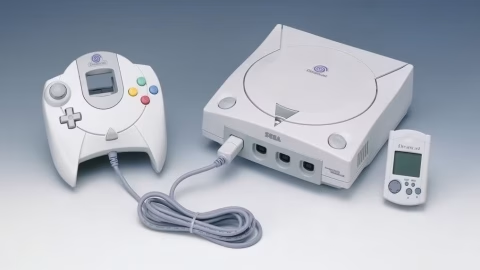
The Dreamcast saw several limited editions, particularly in Japan. Special colors, themed bundles, and promotional releases appeared briefly before disappearing. Because the console’s lifespan was short, many of these variants had extremely limited runs.
These Dreamcast variants carry a sense of melancholy. They represent a console that was still experimenting when its fate was already sealed. Collectors value them because they capture Sega’s creativity in its final hardware era. Each variant feels like a snapshot of unrealized potential.
Regional Branding and Cultural Differences
Some of the most fascinating console variants exist because of regional branding differences. Logos, colors, and even names changed depending on the market. These variations were often subtle, but collectors notice them immediately. A console released in one country might look completely unfamiliar elsewhere.
I find these differences especially compelling because they reveal how companies perceived different audiences. What worked in Japan did not always translate to North America or Europe. These regional variants act as cultural artifacts. They show gaming as a global industry with local identities.
Promotional Consoles and Corporate Oddities
Promotional console variants are often among the rarest. These were not sold to the public, but given away in contests, events, or internal promotions. Many were never intended to survive beyond their initial purpose. That makes surviving examples incredibly valuable.
Some promotional consoles feature unusual branding or colors tied to specific companies or campaigns. Their existence feels almost accidental. Collectors love them because they represent moments that were never meant to be preserved. Owning one feels like rescuing history from obscurity.
Why Condition Matters More With Variants
Condition plays a massive role in the value of rare console variants. Because many were produced in small numbers, finding one in good shape becomes increasingly difficult. Scratches, yellowing, or missing accessories can significantly impact desirability.
For collectors, originality matters just as much as appearance. Matching serial numbers, original packaging, and authentic components elevate a variant from interesting to exceptional. These details separate casual interest from serious collecting. The pursuit of completeness becomes part of the challenge.
The Emotional Side of Collecting Variants
Collecting rare console variants is not purely about investment or status. It is deeply emotional. Each find feels personal, like discovering something that was meant specifically for you. That emotional connection drives people to search for years.
I have noticed that collectors often remember exactly where and how they found a rare variant. Those stories become part of the object’s value. The console becomes a marker of time, effort, and persistence. That emotional layer cannot be replicated by mass-produced hardware.
Market Value and the Myth of Predictability
The market for rare console variants is unpredictable. Some variants skyrocket in value seemingly overnight, while others remain relatively affordable for years. Popular franchises, nostalgia cycles, and online exposure all influence demand. Predicting future value is nearly impossible.
What matters more is cultural relevance. Variants tied to iconic games or pivotal moments tend to age well. Others gain value simply because so few survived. Collectors who focus only on price often miss the deeper satisfaction. The real reward lies in connection, not speculation.
Why New Variants Still Matter Today
Even modern consoles release limited editions, but they rarely carry the same mystique. Production numbers are higher, and documentation is clearer. Retro variants feel different because their rarity was often unintentional. That randomness adds authenticity.
Looking back, these older variants remind me that gaming history was not carefully curated at the time. It was messy, experimental, and full of odd decisions. Rare console variants preserve that chaos. They offer a glimpse into a less polished industry.
Preserving Hardware as History
Owning rare console variants comes with a sense of responsibility. These systems are pieces of gaming history that deserve care. Preserving them ensures future generations can see and study them. They are physical records of creative risk and cultural change.
I believe collectors play an important role in this preservation. Without them, many of these variants would be lost forever. Each saved console adds another thread to the larger story of gaming. That purpose gives collecting meaning beyond ownership.
Why Collectors Go Crazy and Always Will
Collectors go crazy for rare console variants because they combine scarcity, history, and emotion in equal measure. These consoles are not just rare; they are meaningful. They represent moments that cannot be recreated. That finality makes them powerful.
For me, rare console variants are reminders that gaming history is bigger than the games themselves. It lives in hardware decisions, marketing experiments, and regional quirks. These consoles capture those stories in plastic and metal. That is why they continue to inspire obsession, curiosity, and respect.