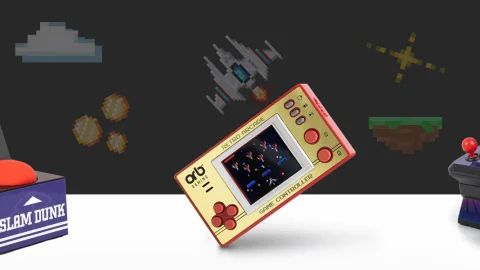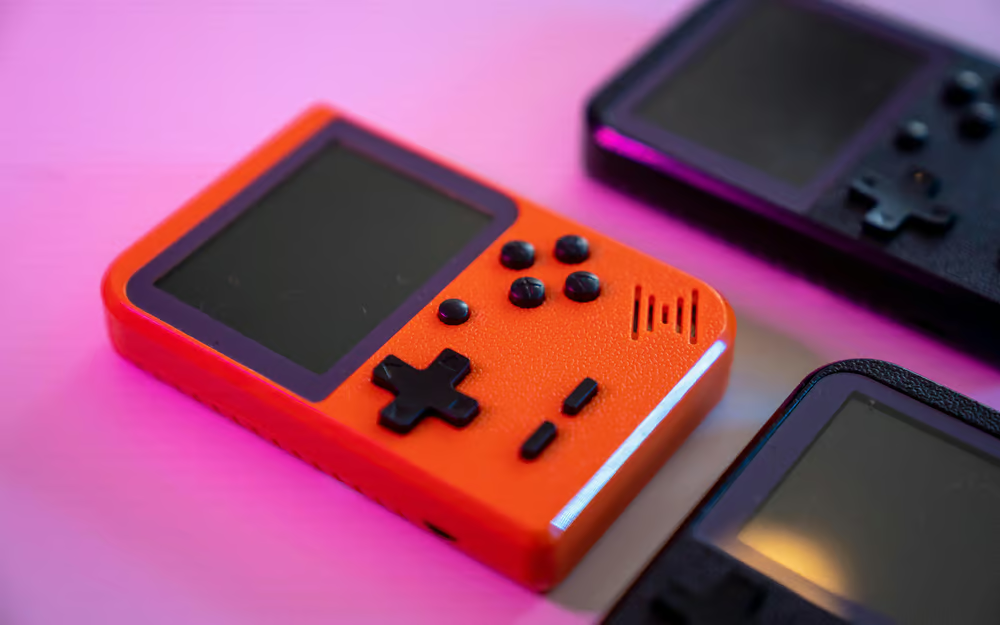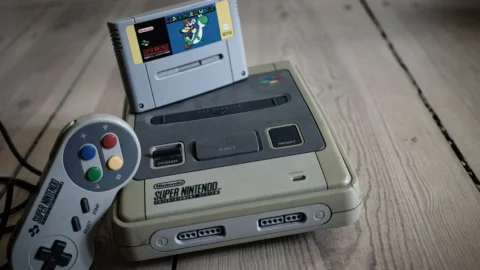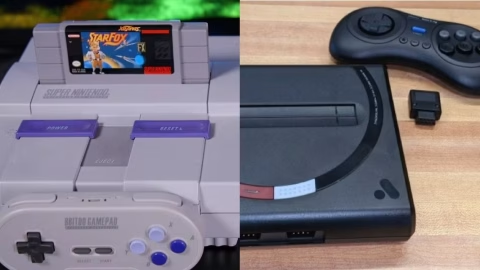

Retro gaming conversations usually circle the same familiar names. NES, SNES, Genesis, PlayStation, and Nintendo 64 dominate discussions, collections, and nostalgia lists. Yet beneath those giants sits a fascinating layer of consoles that never got the recognition they deserved. These systems were ambitious, creative, and often ahead of their time, even if history wasn’t kind to them.
What draws me to these overlooked consoles is how much personality they had. Many took risks that bigger companies avoided. Some failed because of bad timing, others because of poor marketing, and a few simply confused the market. Looking back now, it’s clear that many of these machines offered experiences that still feel fresh, even decades later.
TurboGrafx-16 and PC Engine
The TurboGrafx-16, known as the PC Engine outside North America, remains one of the most misunderstood consoles of its era. Despite its small size, it packed serious power and delivered arcade-quality experiences at home. In Japan, it was a massive success, yet its Western release struggled to find an audience.
What always stands out to me is the quality of its library. Shooters, action games, and quirky Japanese titles thrived on this system. Games felt fast, colorful, and confident, even when competing against more famous hardware. Poor marketing and confusing messaging held it back, not a lack of great software.
Sega Saturn
The Sega Saturn is often remembered more for its problems than its strengths. Its complicated hardware scared developers, and its launch was handled poorly in key markets. Despite that, the Saturn quietly built one of the strongest libraries for 2D games ever seen.
Fighting games, shooters, and arcade ports felt right at home on this system. Titles from Capcom and SNK ran beautifully, often outperforming versions on rival consoles. Whenever I revisit the Saturn, I’m reminded how badly timing and strategy can overshadow genuine technical brilliance.
Neo Geo AES
The Neo Geo AES wasn’t just underrated, it was inaccessible. This console delivered perfect arcade experiences at home, but its price put it far beyond the reach of most players. As a result, it never gained mainstream traction.
What fascinates me is how uncompromising it was. The games looked and played exactly like their arcade counterparts, with no sacrifices. For those lucky enough to experience it back then, the Neo Geo felt like a glimpse into the future. Today, it stands as a symbol of excess and purity in game design.
Atari Lynx
Handheld gaming didn’t start and end with Nintendo. The Atari Lynx was technologically impressive, featuring a color screen and backlighting long before competitors caught up. It even supported ambidextrous play, allowing the system to flip orientation.
Despite its innovation, the Lynx struggled with battery life and bulky design. Those flaws overshadowed a solid lineup of games and impressive hardware features. Looking back, it feels like a console that arrived too early for the world it wanted to live in.
Sega Master System
The Sega Master System is often dismissed as a footnote to the NES, especially in North America. That dismissal ignores how strong the system was in other regions and how capable its hardware truly was. In many ways, it rivaled Nintendo’s offering more closely than history suggests.
I’ve always admired how vibrant and sharp Master System games look. Titles like Phantasy Star and Wonder Boy showcased creativity and ambition. Sega simply couldn’t overcome Nintendo’s dominance in certain markets, leaving the Master System underrated by default.
NEC SuperGrafx
The SuperGrafx is one of the strangest entries in console history. It was an upgraded version of the PC Engine, offering improved graphics and performance. Unfortunately, it launched with almost no software support.
What makes it interesting is what it represents. This was an attempt to future-proof a platform without fully committing to a new generation. The idea wasn’t flawed, but the execution lacked vision. Today, it’s a curiosity that hints at what could have been.
Philips CD-i
The Philips CD-i is usually remembered for the wrong reasons. Its most infamous games overshadow everything else about the system. Yet beneath that reputation lies an ambitious attempt to blend multimedia and gaming.
The CD-i wasn’t really built for traditional games, and that mismatch confused consumers. Still, it offered experimental titles and early interactive media concepts. Revisiting it now feels like exploring an alternate timeline where gaming and home media evolved differently.
SNK Neo Geo CD
The Neo Geo CD tried to solve the cost issue of cartridges by switching to compact discs. This made the system more affordable, but it introduced long load times that clashed with fast-paced arcade games. That tradeoff ultimately hurt its appeal.
Despite those flaws, the Neo Geo CD made high-quality arcade games accessible to more players. For fighting game fans, it offered an impressive library. It’s a reminder that solving one problem can sometimes create another.
Bandai WonderSwan
The WonderSwan was a handheld designed with simplicity and portability in mind. Created by the original designer of the Game Boy, it focused on efficiency rather than raw power. Its battery life and compact size made it ideal for gaming on the go.
What makes the WonderSwan special is its library of unique and thoughtful games. Many titles were designed specifically around its strengths. Limited regional release kept it from global success, but its design philosophy remains impressive.
Atari Jaguar
The Atari Jaguar promised 64-bit power before most people knew what that meant. Marketing leaned heavily on that number, but the reality was far more complicated. Developers struggled with the hardware, and the library suffered as a result.
Still, the Jaguar had ambition. Certain games hinted at its potential, and its controller offered flexibility through its keypad. I see it as a system that tried to leap too far ahead without the tools to land safely.
Sega SG-1000
The SG-1000 predates Sega’s more famous consoles and laid the groundwork for everything that followed. Released around the same time as the Famicom, it never achieved similar success. Its hardware was modest, but it marked Sega’s true entry into the console market.
Exploring SG-1000 games feels like reading early drafts of ideas that later became iconic. There’s historical value here that often goes unnoticed. Without this system, Sega’s later successes might never have happened.
3DO Interactive Multiplayer
The 3DO wasn’t tied to a single manufacturer, which was both its strength and weakness. Companies could license the hardware and produce their own versions. This flexibility led to wildly different price points and inconsistent quality.
What intrigues me about the 3DO is its ambition. Full-motion video, expansive sound, and multimedia experiences were central to its identity. The high cost scared consumers away, but the ideas it introduced shaped future generations.
Magnavox Odyssey²
The Odyssey² combined gaming with educational elements in a way few systems attempted. Its built-in keyboard hinted at a future where consoles could be more than entertainment devices. That hybrid identity confused the market.
Despite that, it had charm and originality. Many games leaned into creativity rather than raw competition. It’s easy to overlook, but it deserves recognition for experimenting outside established boundaries.
Apple Pippin
The Apple Pippin arrived with bold intentions and almost no practical execution. Positioned as a multimedia platform, it failed to define itself clearly. Gamers didn’t see it as a console, and general consumers didn’t see a reason to buy it.
What makes the Pippin interesting is its place in tech history. It shows how difficult it is to enter the gaming space without a clear identity. Even failure can be educational, and the Pippin is full of lessons.
Why These Consoles Still Matter
These underrated consoles matter because they represent risk-taking. They show what happens when companies try something different, even if the market isn’t ready. Innovation doesn’t always come from winners.
Revisiting these systems reveals ideas that influenced later successes. Features, genres, and design philosophies often appeared here first. Their contributions didn’t vanish, they just found better homes later.
The Joy of Rediscovery
Playing these consoles now feels like uncovering hidden chapters of gaming history. Expectations are lower, which makes surprises more impactful. Discovering a great game on an overlooked system feels deeply rewarding.
I find that these experiences remind me why I fell in love with gaming in the first place. Creativity thrives on the edges, not just at the center. These consoles lived on those edges.
Collecting and Preservation
Many of these systems are now prized by collectors. Scarcity and uniqueness drive interest, but preservation matters just as much. Emulation and hardware restoration help keep these experiences alive.
Preserving them isn’t about nostalgia alone. It’s about honoring experimentation and learning from past successes and failures. Each console tells a story worth remembering.
How Underrated Consoles Shaped the Industry
Even in failure, these systems influenced future design. Developers carried lessons forward, refining ideas that once struggled. The industry evolved because these risks were taken.
Looking at modern gaming, traces of these consoles are everywhere. From multimedia ambitions to unconventional control schemes, their fingerprints remain. History rarely moves in straight lines.
Personal Reflections on Overlooked Hardware
Spending time with underrated consoles has changed how I evaluate games. Sales numbers and popularity don’t always reflect quality or creativity. Some of the most memorable experiences come from unexpected places.
These systems remind me to look beyond the obvious. Gaming history is richer when explored fully. The joy lies in discovery, not just familiarity.
Final Thoughts
The most underrated retro consoles never asked for perfection. They asked for curiosity and open-mindedness. Many of them failed commercially, but success isn’t the only measure of importance.
These machines expanded what gaming could be, even when they stumbled. Revisiting them today reveals bold ideas, strange experiments, and genuine passion. For anyone willing to dig a little deeper, they offer some of the most rewarding experiences retro gaming has to offer.