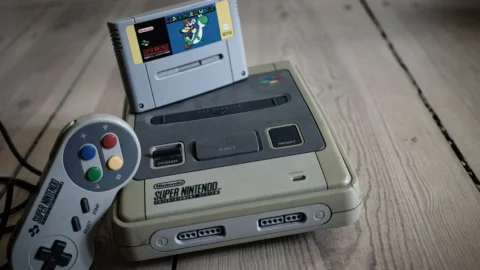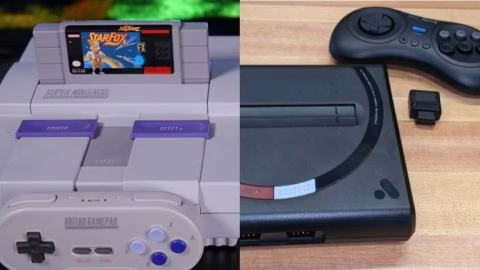

The Sega Genesis and the Super Nintendo Entertainment System didn’t just compete on store shelves. They battled for attention, loyalty, and identity in living rooms all over the world. This rivalry shaped how I thought about games, brands, and even personality, because picking a side felt like saying something about who you were. Looking back now, it’s clear that this clash didn’t just define an era of gaming, it helped define gaming culture itself.
Both consoles arrived at a moment when home gaming was growing up. Players wanted more depth, better visuals, stronger sound, and experiences that felt distinct rather than disposable. Sega and Nintendo answered those demands in very different ways, and the tension between those approaches fueled one of the most memorable periods in video game history.
Two Companies, Two Philosophies
Nintendo entered the 16-bit era with confidence built on trust. The company had already revived the industry with the NES, and the SNES reflected a careful, controlled philosophy. Games were polished, characters were friendly, and quality was closely guarded. Everything felt deliberate, from the hardware design to the family-oriented messaging.
Sega took a more aggressive stance. The Genesis was positioned as bold, edgy, and fast, both technically and culturally. Sega wanted to break Nintendo’s hold on the market, and they weren’t subtle about it. That attitude shaped everything from marketing to game design, and it resonated strongly with players who wanted something that felt different and a little rebellious.
Marketing That Turned Players Into Fans
The rivalry wasn’t just about games, it was about messaging. Sega’s ads directly challenged Nintendo, famously declaring that Genesis did what Nintendon’t. That kind of blunt comparison was unheard of at the time, and it instantly grabbed attention. The ads didn’t just sell hardware, they sold an attitude.
Nintendo’s response was quieter but confident. Rather than attacking Sega head-on, Nintendo focused on showcasing games, characters, and technological features like Mode 7 graphics. This contrast made the rivalry feel personal, because players weren’t just choosing a console, they were choosing a worldview. The marketing war amplified the emotional investment and turned casual players into passionate advocates.
Hardware Power and Technical Bragging Rights
On paper, the Genesis and SNES each had strengths and weaknesses. The Genesis boasted a faster processor, which translated into smoother action and quicker gameplay in many titles. The SNES countered with superior color depth and advanced graphical effects that made games feel more cinematic.
Playing both systems made those differences obvious. Genesis games often felt sharp and immediate, while SNES games leaned toward richness and atmosphere. Neither approach was objectively better, but the contrast fueled endless debates. Those arguments were part of the fun and made every new release feel like another round in an ongoing competition.
Soundtracks That Still Echo Today
Audio played a huge role in how each console was perceived. The Genesis used a distinctive FM synthesis sound chip that produced gritty, energetic music. That sound became closely associated with fast-paced action and arcade-style experiences. It wasn’t always clean, but it had personality.
The SNES took a different route with sampled audio, allowing for warmer tones and more complex compositions. Games like Chrono Trigger and Final Fantasy VI showcased music that felt emotional and expansive. These differences shaped how players remembered each console, because soundtracks often linger long after graphics fade from memory.
Mascots and Icons
No rivalry would have been complete without mascots. Sega put Sonic the Hedgehog front and center, designing him specifically to challenge Mario’s dominance. Sonic was fast, confident, and unapologetically cool, embodying Sega’s brand image perfectly.
Mario, by contrast, represented consistency and charm. He wasn’t edgy, but he was reliable, and his games were meticulously crafted. Watching these mascots compete wasn’t just entertaining, it reinforced the idea that each console had its own identity. That sense of personality made the rivalry feel alive rather than corporate.
Exclusive Games and System Sellers
Exclusives were the true weapons in this war. Sega leaned heavily into arcade-style action with titles like Streets of Rage, Golden Axe, and Gunstar Heroes. These games emphasized speed, reflexes, and immediate excitement, often appealing to players who wanted intense experiences.
Nintendo answered with depth and variety. The SNES library included expansive RPGs, inventive platformers, and genre-defining adventures. Games like Super Metroid, The Legend of Zelda: A Link to the Past, and Super Mario World offered layers of exploration and polish. Choosing a console often came down to which exclusives spoke to you more strongly.
Sports Games and the Western Market
One area where the Genesis gained a strong foothold was sports gaming. Titles like Madden NFL and NHL felt more at home on Sega’s hardware, partly due to licensing deals and partly due to performance. These games appealed to an older demographic and helped Sega dominate certain markets, especially in North America.
The SNES wasn’t absent from sports, but it never captured that same sense of realism and edge. Sega’s focus on sports reinforced its image as the console for teens and young adults. That demographic distinction added another layer to the rivalry and influenced purchasing decisions in countless households.
RPGs, Adventures, and Storytelling
The SNES carved out a clear advantage in role-playing games and story-driven experiences. Japanese developers flocked to Nintendo’s platform, bringing ambitious projects that pushed narrative and emotional engagement. These games often demanded time and attention, rewarding players with memorable stories.
Genesis RPGs existed, but they were fewer and often more niche. Sega’s strengths lay elsewhere, and that specialization shaped how each console was remembered. For players who wanted long-form adventures, the SNES became the natural choice, reinforcing its reputation for depth and craftsmanship.
Multiplayer, Competition, and Social Play
Both consoles thrived in social settings, but they approached multiplayer differently. Genesis games often emphasized competitive play, with head-to-head matches and fast-paced action. Fighting games and sports titles dominated these sessions, creating intense rivalries between friends.
The SNES balanced competition with cooperation. Games encouraged shared exploration and teamwork as much as direct competition. This difference influenced how memories were formed, because the type of social interaction each console fostered felt distinct. Those experiences shaped how gaming fit into everyday life.
Cultural Impact Beyond the Console
The Genesis vs SNES rivalry spilled into magazines, schoolyards, and late-night conversations. Gaming publications fueled the fire with comparison charts and reviews that framed every release as part of a larger battle. That coverage made gaming feel important and dynamic.
This cultural presence elevated games from toys to a shared language. Talking about frame rates, graphics, and sound became normal among players who were barely old enough to drive. The rivalry taught a generation how to critique and appreciate games on a deeper level.
How the Rivalry Pushed Innovation
Competition forced both companies to improve. Sega experimented with add-ons and bold ideas to stay relevant. Nintendo refined its technology and doubled down on quality and innovation within its ecosystem.
While not every experiment succeeded, the constant pressure ensured that neither company could stagnate. Players benefited from better games, stronger hardware, and more ambitious ideas. The rivalry acted as a catalyst, pushing the industry forward faster than it might have moved otherwise.
Personal Reflections on Picking Sides
Choosing between the Genesis and SNES wasn’t easy, and that choice often felt permanent at the time. Cartridges were expensive, and most households could only afford one system. That limitation made the decision meaningful and personal.
I remember how strongly people defended their console of choice. Those arguments weren’t really about specs or sales numbers, they were about identity. The rivalry gave players something to belong to, and that sense of belonging made gaming feel communal rather than solitary.
The End of the Console War Era
Eventually, the industry moved on. New generations of hardware arrived, and the sharp edges of the Genesis vs SNES rivalry softened. Sega exited the console market, and Nintendo adapted to a changing landscape.
Yet the memory of that rivalry remains powerful. It represents a time when gaming felt smaller, more personal, and intensely passionate. That era left a lasting impression on how competition is perceived within the industry.
Legacy in Modern Gaming
Modern console wars still echo the Genesis vs SNES dynamic. Differences in philosophy, exclusives, and branding continue to shape debates. The language players use today was forged during that 16-bit battle.
Indie developers and retro-inspired games often draw from both consoles. The influence of their design choices is still visible, proving that the rivalry produced ideas that transcended hardware limitations. That legacy keeps the conversation alive decades later.
Final Thoughts
The Sega Genesis vs SNES rivalry was more than a competition between two machines. It was a clash of ideas, identities, and creative visions that shaped an entire generation of players. That tension pushed both companies to deliver their best work and gave players experiences that still hold meaning today.
Looking back, it’s hard to imagine retro gaming without that rivalry. It gave the era its energy, its debates, and its sense of excitement. Even now, the echoes of that battle remind me why those 16-bit years remain so special.